Tree excavation is a critical process in both landscaping and construction, involving the careful removal of trees and their root systems to make way for new developments or to enhance existing landscapes. Understanding tree excavation is essential for anyone involved in property management, landscaping, or construction, as it not only affects the immediate area but also has long-term implications for soil health and surrounding vegetation. The importance of tree excavation cannot be overstated. Properly executed, it ensures that the site is prepared adequately for future projects while minimizing damage to the ecosystem. This process requires a thorough understanding of the tree species involved, their root structures, and the surrounding environment.
Failing to consider these factors can lead to significant issues, such as soil erosion, compromised structural integrity of nearby plants, and even legal ramifications if protected species are involved. As we delve deeper into the topic, it becomes clear that avoiding common mistakes during tree excavation is paramount. By recognizing what can go wrong and understanding the best practices for this essential task, individuals and companies can ensure a smoother process that respects both the environment and project timelines. This foundational knowledge sets the stage for a more detailed exploration of the pitfalls to avoid during tree excavation.
Mistake #1: Inadequate Planning and Preparation
When it comes to tree excavation, one of the most critical steps is thorough planning and preparation. Failing to adequately prepare can lead to a host of complications that not only delay the project but also inflate costs significantly.Before you even think about breaking ground, consider the following:- Site Assessment: Conduct a comprehensive assessment of the site.
This includes understanding the soil type, drainage patterns, and any underground utilities that may be affected during excavation.
- Tree Health Evaluation: Assess the health of the tree. A tree that appears healthy may have hidden issues that could complicate excavation.
- Permits and Regulations: Check local regulations regarding tree removal and excavation. Some areas require permits, and failing to secure these can lead to legal complications.
- Equipment Selection: Choose the right equipment for the job. Using inappropriate tools can lead to damage not only to the tree but also to surrounding structures and landscapes.
- Increased Costs: Unforeseen issues often lead to additional expenses, whether it's hiring specialized equipment or paying for repairs to damaged property.
- Time Delays: Without a clear plan, projects can stall, leading to longer timelines and potential disruptions in your schedule.
- Environmental Impact: Poor planning can also have negative effects on the surrounding ecosystem, which may result in fines or restoration costs.
By addressing these key areas upfront, you can avoid common pitfalls that lead to complications and increased costs down the line.
Mistake #2: Ignoring Local Regulations and Permits
When planning a tree excavation, one of the most critical steps is to understand and comply with local regulations and obtain the necessary permits. Ignoring these legal requirements can lead to significant repercussions, including fines, project delays, and even legal action.Understanding Local Regulations
- Each municipality has its own set of rules regarding tree removal and excavation. These regulations are often designed to protect local ecosystems and ensure that tree removal is conducted responsibly.
- Some areas may have specific restrictions on the types of trees that can be removed, especially if they are considered endangered or protected species.
- Additionally, there may be regulations concerning the timing of tree removal, particularly during nesting seasons for local wildlife.
Obtaining Permits
- Before commencing any excavation work, it is essential to check with your local government or forestry department to determine what permits are required.
- Permits often require detailed plans outlining the scope of the excavation, including the size and type of trees to be removed.
- Failure to secure the necessary permits can result in hefty fines and may require you to restore the site to its original condition, which can be costly and time-consuming.
Legal Issues in Tree Excavation
- Ignoring local laws can lead to disputes with neighbors or environmental groups who may oppose your excavation plans.
- In some cases, legal action can be taken against individuals or companies that proceed without proper authorization, leading to further complications.
Mistake #3: Underestimating Root Systems
One of the most significant mistakes made during tree excavation is underestimating root systems.Many individuals assume that the visible portion of a tree is all there is to it, neglecting the extensive network of roots that can spread far beyond the tree's canopy. This oversight can lead to severe consequences for both the tree being excavated and the surrounding ecosystem.
Understanding Tree Root Systems
- Root Depth and Spread: Tree roots can extend two to three times the width of the tree's canopy and can grow deep into the soil. Failing to assess this can result in unintentional damage to vital roots.
- Types of Roots: Trees have different types of roots, including anchor roots, feeder roots, and storage roots. Each type plays a crucial role in the tree's health and stability.
- Soil Stability: Damaging roots can compromise soil structure, leading to erosion or instability in nearby plants.
- Health of Surrounding Plants: The interconnectedness of root systems means that damaging one tree's roots can adversely affect neighboring plants, leading to their decline.
- Tree Survival: In some cases, excessive root damage can result in the death of the tree being excavated, negating any benefits gained from the excavation process.
The Importance of Root Assessment
A thorough root assessment before beginning any excavation work is essential.
This involves:
- Mapping Root Zones: Use tools like ground-penetrating radar or root mapping software to visualize root systems.
- Consulting Experts: Arborists or landscape professionals can provide valuable insights into root structures and help plan excavation strategies that minimize damage.
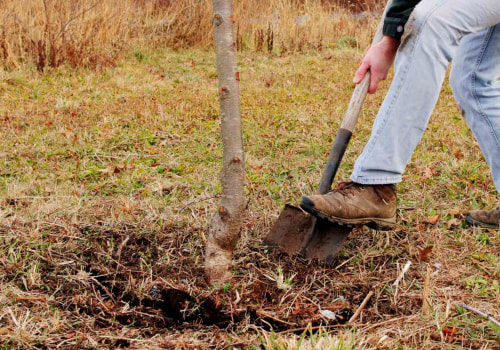
- Planning Excavation Techniques: Employ techniques that reduce soil disturbance and protect critical root zones, such as using air spades or hand tools instead of heavy machinery.
Mistake #4: Using Improper Equipment
When it comes to tree excavation, using the right equipment is crucial for both efficiency and safety. Many individuals and companies make the mistake of opting for improper tools, which can lead to a host of problems.Understanding the Right Equipment
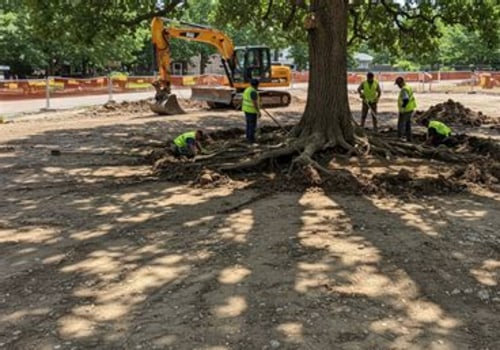
- Excavators: These are essential for large tree removals, especially when dealing with deep roots. Using a smaller machine can result in incomplete excavation and damage to surrounding areas.
- Chainsaws: While they are commonly used for cutting down trees, using a chainsaw without the proper attachments or safety features can be dangerous.
Always ensure that the chainsaw is suitable for the size of the tree.
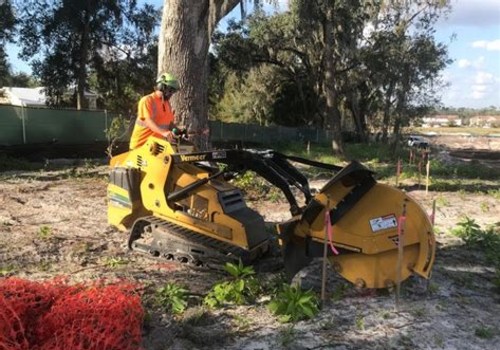
- Stump Grinders: After a tree is removed, stumps can be left behind. A stump grinder is necessary to eliminate these remnants effectively. Failing to use one can lead to uneven ground and potential hazards.
Consequences of Using Improper Equipment
Using inadequate tools not only prolongs the excavation process but also increases the risk of accidents. For instance, if an excavator is too small, it may struggle to remove a large tree, leading to:
- Inefficiency: The job will take longer than necessary, resulting in higher labor costs.
- Injury Risks: Improper equipment can lead to accidents, putting workers at risk of injury.
- Property Damage: Inadequate tools may cause damage to nearby structures or landscaping during the excavation process.
Consulting with professionals who understand the nuances of equipment selection can save time, money, and ensure a safer working environment.
Mistake #5: Neglecting Safety Protocols
When it comes to tree excavation, neglecting safety protocols can lead to serious accidents and injuries. It is crucial to prioritize safety not only for the workers involved but also for the surrounding environment and bystanders. Here are some common safety mistakes to avoid:- Inadequate Personal Protective Equipment (PPE): Failing to wear appropriate PPE, such as helmets, gloves, and eye protection, can expose workers to unnecessary risks. Always ensure that all team members are equipped with the necessary gear before starting any excavation work.
- Ignoring Site Assessment: A thorough site assessment is essential before beginning any tree excavation.
Neglecting to evaluate the area for potential hazards, such as power lines or unstable ground, can lead to dangerous situations.
- Improper Use of Equipment: Using machinery without proper training or understanding can result in accidents. Ensure that all operators are certified and familiar with the equipment they are using.
- Lack of Communication: Effective communication among team members is vital during excavation projects. Establish clear signals and protocols to ensure everyone is aware of their roles and any potential hazards.
- Failure to Have an Emergency Plan: Every excavation site should have a well-defined emergency response plan. This includes knowing how to handle accidents or injuries should they occur, as well as having first aid kits readily available.
Remember, safety should always be the top priority in any tree excavation project.
Mistake #6: Failing to Consider Environmental Impact
When it comes to tree excavation, one of the most significant oversights is failing to consider the environmental impact of tree removal. Trees play a crucial role in our ecosystem, providing oxygen, improving air quality, and supporting wildlife habitats. Therefore, it is essential to adopt sustainable tree excavation practices that minimize ecological damage.Before initiating any excavation project, it is vital to conduct an environmental assessment. This assessment should include:- Identifying local wildlife: Understanding the species that inhabit the area can help determine if their habitats will be disrupted.
- Evaluating soil health: Healthy soil is essential for maintaining local flora and fauna.
Excavation can lead to soil erosion and degradation if not managed properly.
- Assessing water sources: Trees often play a role in maintaining local water cycles. Removing them can affect groundwater levels and nearby water bodies.
- Selective removal: Instead of clear-cutting an area, selectively remove only those trees that are necessary for the project. This helps preserve the surrounding ecosystem.
- Replanting: For every tree removed, consider planting a new one. This not only helps restore the environment but also contributes to carbon offsetting.
- Using biodegradable materials: When conducting excavation, opt for biodegradable materials for any protective coverings or barriers to reduce waste.
Remember, responsible tree removal is not just about clearing space; it's about ensuring a balanced coexistence with nature.
Frequently Asked Questions about Tree Excavation Mistakes
When it comes to tree excavation, many homeowners and contractors have questions about the process and the common pitfalls to avoid. Here are some frequently asked questions that can help clarify these concerns:- What are the most common mistakes made during tree excavation?
One of the biggest mistakes is not assessing the site properly before beginning. This includes failing to identify underground utilities, which can lead to costly damages. Additionally, using improper equipment or techniques can result in damage to surrounding plants and soil. - How can I ensure I’m hiring a qualified professional for tree excavation?
Look for certified arborists or tree care professionals with experience in tree excavation.Check their references and ask about their methods for minimizing damage to the surrounding area.
- Is it necessary to remove the entire root system during excavation?
Not always. In some cases, leaving part of the root system can help maintain soil stability and prevent erosion. However, this decision should be made based on the specific circumstances of the site. - What should I do if I encounter unexpected obstacles during excavation?
If you come across rocks, roots, or utilities that were not anticipated, stop work immediately. Assess the situation and consult with a professional to determine the best course of action.
Conclusion: Key Takeaways for Successful Tree Excavation
In conclusion, successful tree excavation requires careful planning and execution to avoid common pitfalls that can lead to damage or failure.By understanding the key mistakes to avoid, you can ensure a smoother process and healthier outcomes for your landscape.
Key Takeaways
- Neglecting Site Assessment: Always conduct a thorough site assessment before beginning excavation. This includes identifying underground utilities, assessing soil conditions, and understanding the tree's root system.
- Improper Equipment Use: Using the wrong tools or machinery can cause significant damage to the tree and surrounding area. Ensure that you select appropriate equipment for the size and type of tree being excavated.
- Ignoring Local Regulations: Familiarize yourself with local regulations regarding tree removal and excavation. Failing to comply can result in fines or legal issues.
- Rushing the Process: Take your time during excavation.
Rushing can lead to mistakes that compromise the health of the tree or the safety of the workers.
- Inadequate Post-Excavation Care: After excavation, provide proper care for the tree, including watering and mulching, to help it recover from the stress of being moved.