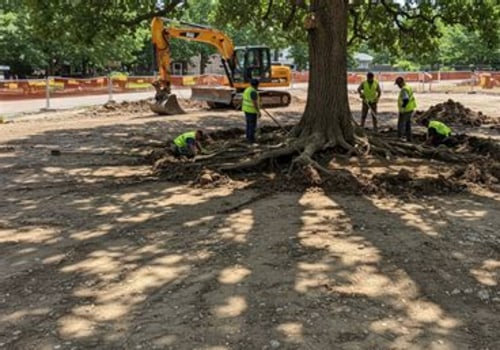
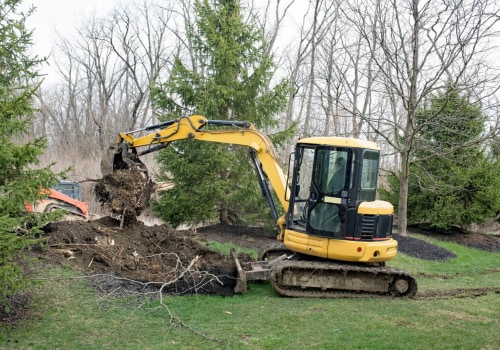
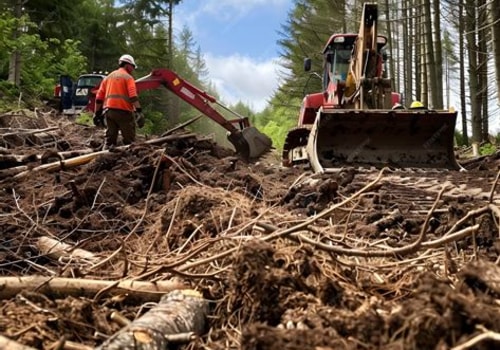
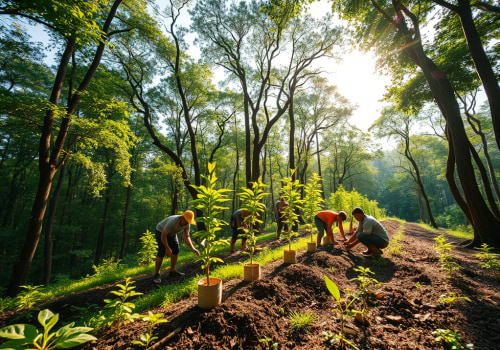
Tree excavation is a crucial process in both landscaping and construction that involves the careful removal of trees and their root systems from a designated area. This procedure is not merely about cutting down a tree; it encompasses a comprehensive approach to ensure that the surrounding environment is preserved while effectively clearing space for new developments or landscaping projects. Understanding the definition and meaning of tree excavation is essential for homeowners, landscapers, and construction professionals alike, as it plays a significant role in site preparation.The primary purpose of tree excavation is to facilitate the safe and efficient removal of trees that may obstruct construction plans or pose risks to nearby structures. Additionally, it allows for the creation of open spaces for gardens, patios, or other outdoor features.
Proper tree excavation techniques help minimize damage to the surrounding soil and vegetation, ensuring that the ecosystem remains intact. This process often requires specialized equipment and expertise to handle various tree sizes and types, making it a task best left to professionals.Moreover, tree excavation can also be an opportunity for landowners to enhance their property’s aesthetic appeal. By strategically removing certain trees, one can improve sunlight exposure, promote healthier plant growth, and create a more inviting landscape. As such, understanding what tree excavation entails is vital for anyone looking to undertake landscaping or construction projects that involve significant alterations to their outdoor spaces.
The Importance of Tree Excavation
Tree excavation is a critical process in property development and environmental management.Understanding the importance of tree excavation can help property owners and developers make informed decisions that benefit both their projects and the surrounding ecosystem.One of the primary reasons tree excavation is necessary is to ensure safety. Trees that are diseased, damaged, or improperly located can pose significant risks to structures and individuals. By removing these trees, property owners can prevent potential hazards such as falling branches or uprooted trees during storms.Additionally, tree excavation plays a vital role in site preparation for construction projects. Before any building can commence, it is essential to clear the area of any obstacles that may interfere with the foundation or landscaping.
This not only facilitates a smoother construction process but also helps in adhering to local regulations regarding land use.
- Enhances Aesthetic Appeal: Proper tree removal can improve the visual appeal of a property, allowing for better landscaping options.
- Promotes Healthy Growth: Excavating unhealthy trees allows for the remaining flora to thrive by reducing competition for resources.
- Environmental Management: Responsible tree excavation can contribute to better land management practices, ensuring that ecosystems remain balanced.
Common Techniques Used in Tree Excavation
When it comes to tree excavation, selecting the right technique is crucial for ensuring the health of the surrounding environment and the efficiency of the process.Here are some common techniques used in tree excavation:
- Manual Excavation: This method involves using hand tools such as shovels, picks, and axes to remove soil around the tree's root system. Manual excavation is often preferred for smaller trees or in areas where precision is necessary to avoid damaging nearby plants or structures.
- Mechanical Excavation: For larger trees or when time is a factor, mechanical excavation may be employed. This technique utilizes heavy machinery like backhoes or excavators to dig around the tree. While this method is faster, it requires careful planning to minimize soil compaction and root damage.
- Root Pruning: Before excavation, root pruning can be performed to prepare the tree for removal.
This involves cutting specific roots to encourage new growth and reduce stress on the tree during the excavation process. It’s particularly useful for trees that will be relocated.
- Hydraulic Excavation: This advanced technique uses high-pressure water jets to loosen soil around the roots without causing significant damage. Hydraulic excavation is ideal for delicate environments where traditional methods might disrupt the ecosystem.
Understanding these techniques can help ensure a successful and environmentally responsible excavation process.
Tools and Equipment for Tree Excavation
When it comes to tree excavation, having the right tools and equipment is crucial for ensuring both efficiency and safety. The process involves not just removing the tree but also managing the surrounding environment to prevent damage to nearby structures and landscapes.- Chainsaws: A fundamental tool in tree excavation, chainsaws are used for cutting down trees and trimming branches. They come in various sizes, from small electric models for light work to heavy-duty gas-powered versions for larger trees.
- Excavators: These powerful machines are essential for digging out tree stumps and roots. Equipped with a bucket or specialized attachments, excavators can efficiently remove large sections of earth, making them invaluable in extensive excavation projects.
- Stump Grinders: After a tree has been cut down, stump grinders are used to grind the remaining stump below ground level.
This equipment helps prevent regrowth and allows for replanting or landscaping in the area.
- Hand Tools: Tools such as shovels, picks, and axes are still important in tree excavation. They are often used for smaller jobs or in tight spaces where larger machinery cannot operate effectively.
- Safety Gear: Personal protective equipment (PPE) is essential during any excavation work. This includes helmets, gloves, eye protection, and steel-toed boots to ensure the safety of workers on site.
Safety Considerations During Tree Excavation
When it comes to tree excavation, safety should always be the top priority.The process involves not only the removal of trees but also the careful consideration of the surrounding environment and personnel involved. Here are some essential safety considerations to keep in mind:
- Personal Protective Equipment (PPE): Always wear appropriate PPE, including hard hats, gloves, safety goggles, and steel-toed boots. This gear protects against falling debris and other potential hazards.
- Site Assessment: Before beginning any excavation work, conduct a thorough assessment of the site. Identify potential hazards such as nearby power lines, unstable ground, or proximity to structures.
- Clear Communication: Ensure that all team members are aware of their roles and responsibilities.
Use clear signals or radios to communicate during the excavation process, especially in noisy environments.
- Equipment Safety: Regularly inspect all equipment used for tree excavation. Ensure that machinery is in good working condition and that operators are trained and certified to use it.
- Emergency Preparedness: Have an emergency plan in place. This includes knowing the location of first aid kits, having a designated first responder on-site, and ensuring that all workers know how to respond in case of an accident.
Workers should maintain a safe distance from the tree while it is being cut down and ensure that bystanders are kept at a safe distance as well.Moreover, consider environmental factors such as soil stability and weather conditions. Wet or unstable ground can increase the risk of accidents during excavation. Always monitor weather forecasts and postpone work if conditions are unsafe.By adhering to these safety tips for tree removal, you can significantly reduce risks associated with tree excavation. Prioritizing safety not only protects workers but also ensures a smoother and more efficient excavation process.
Environmental Impact of Tree Excavation
Tree excavation can have significant environmental impacts, particularly when it involves the removal of mature trees.These trees play a crucial role in maintaining ecological balance, providing habitat for wildlife, and contributing to air and soil quality. Understanding the ecological considerations in tree excavation is essential for minimizing negative effects on the environment.One of the primary concerns with tree removal is the disruption of local ecosystems. Trees support various species, from birds to insects, and their removal can lead to habitat loss. Additionally, the soil structure can be compromised, leading to erosion and decreased fertility.
To mitigate these impacts, it is vital to assess the area before excavation and consider alternatives such as:
- Selective removal: Instead of removing all trees in an area, consider selectively excavating only those that are necessary.
- Transplanting: If feasible, transplanting trees to another location can preserve their ecological benefits.
- Timing: Conducting tree excavation during specific seasons can minimize disruption to wildlife breeding cycles.
- Reforestation: Planting new trees after excavation helps restore the ecosystem and provides future benefits.
- Soil conservation: Using techniques that protect soil integrity during excavation can prevent erosion and maintain nutrient levels.
- Community involvement: Engaging local communities in tree planting initiatives fosters a sense of responsibility towards environmental stewardship.
When to Hire a Professional for Tree Excavation
When considering tree excavation, it’s essential to evaluate whether to tackle the project yourself or hire a professional. While DIY approaches can be tempting, there are specific scenarios where enlisting the help of a tree removal expert is not only advisable but also beneficial.Signs You Should Hire a Professional:
- Large Trees: If the tree in question is particularly large or has extensive root systems, professional services are recommended.
Experts have the necessary equipment and experience to handle such tasks safely.
- Complex Situations: Trees located near structures, power lines, or other obstacles require careful planning and execution. Professionals can assess risks and implement strategies to avoid damage.
- Health and Safety Concerns: Excavating a tree can pose significant risks, including injury from falling branches or equipment accidents. Hiring professionals mitigates these risks.
- Lack of Equipment: If you don’t have access to the right tools for tree excavation, it’s more efficient and safer to hire experts who come equipped with specialized machinery.
Benefits of Hiring Professionals for Tree Excavation:
- Expertise: Professionals bring years of experience and knowledge about tree species, soil conditions, and excavation techniques that can lead to a more effective outcome.
- Time-Saving: Tree excavation can be time-consuming. Professionals can complete the job more quickly, allowing you to focus on other important tasks.
- Post-Excavation Cleanup: Many professional services include cleanup in their packages, ensuring that your yard is left tidy and free of debris after the excavation.
- Insurance and Liability: Reputable tree removal experts carry insurance, protecting you from potential liabilities in case of accidents during the excavation process.
Assess your situation carefully and weigh the benefits before making a decision.
FAQs About Tree Excavation
When it comes to tree excavation, many people have questions that stem from misconceptions or a lack of understanding about the process. Here are some frequently asked questions that can help clarify what tree excavation entails.What is tree excavation?
Tree excavation refers to the process of removing a tree along with its root system from the ground. This is often necessary when a tree poses a risk to structures, is diseased, or needs to be relocated for landscaping purposes.Is tree excavation the same as tree removal?
While tree removal typically involves cutting down the tree above ground, tree excavation goes a step further by also removing the roots. This is crucial for preventing future growth and ensuring that the area can be used for other purposes.What are common misconceptions about tree excavation?
- It’s always harmful to the environment: Many believe that excavating a tree is detrimental to the ecosystem.
However, when done correctly, it can promote healthier growth in surrounding plants.
- Excavation is unnecessary: Some homeowners think they can simply cut down a tree and leave the roots. This can lead to issues like root rot or pest infestations.
- It’s a DIY job: Tree excavation requires specialized equipment and expertise. Attempting it without professional help can be dangerous and lead to property damage.
How long does tree excavation take?
The duration of tree excavation depends on various factors, including the size of the tree, its root system, and site conditions. Generally, it can take anywhere from a few hours to a full day.If you have more questions about tree excavation, consulting with a professional arborist or tree service can provide tailored advice and solutions for your specific situation.Conclusion: Key Takeaways on Tree Excavation
In conclusion, understanding tree excavation is crucial for both property owners and landscapers.This process involves the careful removal of trees, including their roots, to ensure the safety and aesthetics of a landscape. Here are some key takeaways:
- Importance of Professional Expertise: Engaging professionals for tree excavation is essential. They possess the necessary skills and equipment to perform the task safely and efficiently, minimizing damage to surrounding areas.
- Environmental Considerations: Before proceeding with tree excavation, it’s vital to assess the environmental impact. Trees play a significant role in local ecosystems, and their removal can affect wildlife and soil health.
- Permits and Regulations: Many regions require permits for tree removal.
Understanding local regulations can prevent legal issues and ensure compliance with environmental protection laws.
- Post-Excavation Care: After a tree has been excavated, proper care of the site is necessary. This may include filling in holes, replanting new trees, or enhancing soil quality to promote healthy growth in the future.