Tree excavation is a critical process in both landscaping and construction, often serving as a necessary step for various projects. Whether you're planning to build a new structure, create a garden, or simply enhance your outdoor space, understanding the intricacies of tree excavation is essential. This process involves the careful removal of trees from their roots, which can be a complex task depending on the type of tree and its surrounding environment. Different types of trees present unique challenges when it comes to excavation. For instance, some species have extensive root systems that can spread far beyond the tree's canopy, making removal more difficult and potentially damaging to nearby plants and structures.
On the other hand, smaller or younger trees may be easier to excavate but still require proper techniques to ensure that the surrounding soil and ecosystem remain intact. This highlights the importance of assessing each tree individually before proceeding with tree removal.Moreover, tree care does not end with excavation; it extends into how the area is managed post-removal. Proper techniques can help mitigate soil erosion and promote healthy growth for any remaining vegetation. As we delve deeper into this topic, we will explore the various types of trees that can be excavated and the best practices for ensuring a successful outcome.
What is Tree Excavation?
Tree excavation is a specialized process that involves the careful removal of a tree from its location, including its roots and surrounding soil.This procedure is often necessary in various scenarios, such as landscaping projects, construction sites, or when a tree poses a risk to nearby structures or utilities.The tree removal process typically begins with an assessment of the tree's health and stability. Professionals evaluate factors such as the tree's size, species, and proximity to other plants or structures. Once the decision to excavate is made, the following steps are generally involved:
- Preparation: This includes obtaining necessary permits and notifying utility companies to mark underground lines.
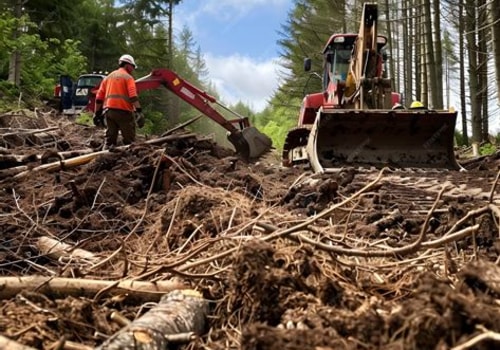
- Site Clearing: The area around the tree is cleared of debris and obstacles to ensure safe access for equipment.
- Cutting: The tree is cut down in sections, starting from the top to minimize risk and control the fall direction.
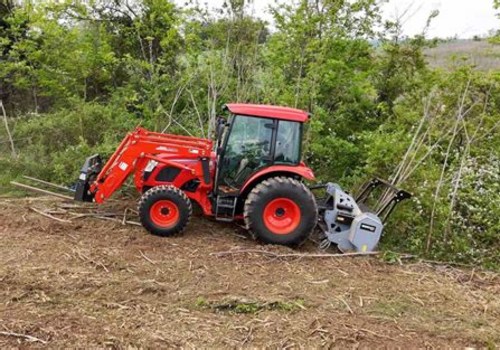
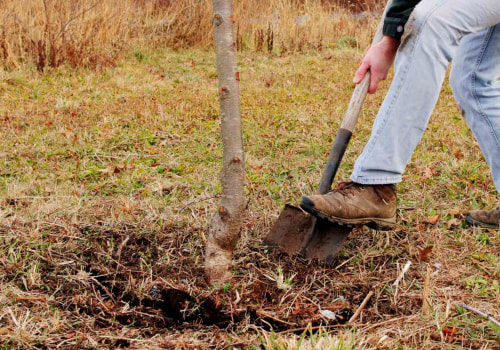
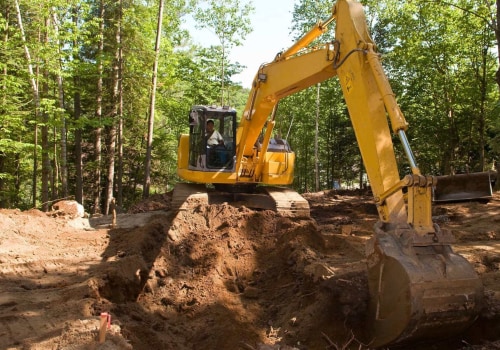
- Excavation: After the tree is felled, excavation equipment is used to remove the stump and roots from the ground. This may involve digging around the root system to ensure complete removal.
- Site Restoration: Finally, the area is backfilled with soil, and any necessary landscaping or planting can be done to restore the site.
Understanding this process is crucial for homeowners and developers alike, as it ensures that trees are removed safely and responsibly while considering environmental impacts.
Types of Trees Commonly Excavated
When considering tree excavation, it is essential to understand the different types of trees that are commonly excavated. Trees can be broadly categorized into two main groups: deciduous trees and evergreen trees. Each group has distinct characteristics that influence the excavation process.Deciduous Trees
Deciduous trees are known for their seasonal leaf shedding, typically in the fall. These trees often have a wide range of root systems, which can complicate excavation efforts.Common species include:
- Maple: Known for its vibrant fall colors, maple trees have extensive root systems that can spread far beyond their canopy.
- Oak: Oaks are sturdy and long-lived, but their deep taproots can pose challenges during excavation.
- Birch: With their relatively shallow roots, birch trees can be easier to excavate, but care must be taken to avoid damaging their delicate bark.
Evergreen Trees
Evergreen trees, on the other hand, retain their foliage year-round. These trees often have different root structures compared to deciduous varieties. Common evergreen species include:- Pine: Pine trees typically have a fibrous root system that can make them easier to excavate, but their height and weight require careful handling.
- Spruce: Spruce trees have a shallow root system, which can facilitate excavation but may also lead to instability if not managed properly.
- Cedar: Cedars are known for their aromatic wood and can be challenging to excavate due to their extensive lateral roots.
Proper planning and knowledge of the specific tree species involved will lead to more efficient and effective excavation processes.
Factors Influencing Tree Excavation Feasibility
When considering tree excavation, several critical factors come into play that can significantly influence the feasibility of the process. Understanding these factors is essential for ensuring a successful excavation while minimizing potential damage to the surrounding environment.Soil Type
The type of soil in which a tree is rooted plays a vital role in determining whether it can be excavated.Clay soils
, for instance, tend to retain water and can become compacted, making it challenging to extract tree roots without causing damage. Conversely, sandy soils allow for easier root removal due to their loose structure.Additionally, loamy soils, which are a mix of sand, silt, and clay, often provide a balanced environment that can facilitate smoother excavation.
Tree Health
The overall health of the tree is another significant factor. A healthy tree with a robust root system may be more difficult to excavate than a tree that is diseased or dying. Trees suffering from diseases or pest infestations may have weakened root systems, making them easier to remove but potentially hazardous if not handled properly. It’s crucial to assess the tree's health before proceeding with excavation.Location Considerations
The proximity of the tree to structures, utilities, and other trees also affects excavation feasibility.Trees located near buildings or power lines may require special precautions to avoid damage during the excavation process. Furthermore, if a tree is part of a larger ecosystem or landscape design, its removal could disrupt the balance of that environment.In summary, successful tree excavation hinges on understanding these factors: soil type, tree health, and location considerations. Each element must be carefully evaluated to ensure that the excavation is conducted safely and effectively.
Can All Types of Trees Be Excavated?
When considering tree excavation, it's essential to understand that not all trees can be excavated with the same level of ease or success. Various factors influence the feasibility of excavating a tree, including its species, age, size, and root structure.Limitations of Tree Excavation
Some trees have extensive root systems that can make excavation challenging.For instance, species like willows and maples often develop deep and wide root networks that can extend far beyond the tree's canopy. Attempting to excavate these trees without proper techniques can lead to significant damage to the roots, which may ultimately jeopardize the tree's health.
Specific Tree Challenges
- Pines: These trees typically have a taproot system that can be difficult to remove intact. Excavating pines requires careful planning to avoid breaking the taproot.
- Oaks: Known for their robust root systems, oaks can be particularly challenging. Their roots often grow deep and wide, making excavation labor-intensive.
- Fruit Trees: While they can be excavated, fruit trees are sensitive to root disturbance.
If not handled properly, they may not produce fruit in subsequent seasons.
- Exotic Species: Some non-native trees may have unique root structures that complicate excavation. Understanding these characteristics is crucial for successful removal.
Best Practices for Tree Excavation
When it comes to tree excavation, following best practices is essential for ensuring safety and effectiveness.Whether you are a homeowner or a professional, understanding the right techniques can make a significant difference in the outcome of the project.
1.Assess the Tree and Surroundings
- Before beginning any excavation, evaluate the tree's health and stability. Look for signs of disease or damage that may affect the removal process.
- Consider the surrounding environment, including nearby structures, utilities, and other trees. This assessment will help determine the safest approach.
2.Use Proper Tools and Equipment
- Invest in high-quality tools such as chainsaws, stump grinders, and excavation machinery. Using the right equipment minimizes risks and enhances efficiency.
- Ensure all tools are well-maintained and suitable for the size and type of tree being excavated.
3.Follow Safe Removal Techniques
- Start by clearing the area around the tree to create a safe workspace.
Remove any debris or obstacles that could pose a hazard.
- Cut branches systematically, starting from the top down to reduce weight and prevent sudden falls.
- When cutting the trunk, make a notch cut on the side facing the direction you want it to fall. This technique helps control the tree's descent.
4.Consider Professional Help
If you are unsure about any aspect of tree excavation, it is wise to hire professional tree services. Experts have the experience and knowledge to handle complex situations safely. They can also provide additional services such as stump removal and site cleanup, ensuring your property is left in good condition.In conclusion, adhering to these best practices for tree excavation not only enhances safety but also improves the overall effectiveness of the removal process.
Whether you choose to tackle it yourself or enlist professional help, being informed is key to successful tree management.
FAQs About Tree Excavation
When it comes to tree excavation, many homeowners have questions about the process, its implications, and the care required afterward. Here are some frequently asked questions that can help clarify these concerns.- What is tree excavation?
Tree excavation involves the removal of a tree along with its root system from the ground. This process is often necessary when a tree poses a risk to property or when it needs to be relocated. - Can all types of trees be excavated?
While most trees can be excavated, the ease and success of the process depend on factors such as the tree's size, species, and health. For instance, smaller trees are generally easier to excavate than larger, more established ones. - What happens to the soil after excavation?
After a tree is excavated, the soil may need to be amended or replaced, especially if the root system was extensive.This helps ensure that any remaining roots do not decay and affect future plantings.
- How should I care for my yard after tree excavation?
Post-excavation care is crucial. Watering the area regularly and monitoring for any signs of erosion or settling will help maintain soil health. Additionally, consider planting new vegetation to restore the landscape. - Are there any risks associated with tree excavation?
Yes, improper excavation can lead to soil instability or damage to nearby plants. It’s essential to hire professionals who understand how to minimize these risks during the process.
Conclusion: Key Takeaways on Tree Excavation
In conclusion, tree excavation is a nuanced process that varies significantly depending on the type of tree involved.Understanding the specific requirements and challenges associated with different species is crucial for successful excavation.Key takeaways include:
- Species Variation: Not all trees are suitable for excavation. Some species, particularly those with extensive root systems or delicate structures, may not withstand the process.
- Health Considerations: The health of the tree plays a vital role. Excavating a healthy tree can lead to stress and potential decline, while removing a diseased or dying tree may be more straightforward.
- Soil Type and Conditions: The surrounding soil conditions can affect the feasibility of excavation. Sandy soils may allow for easier removal compared to clay-heavy soils, which can complicate the process.
- Professional Assessment: Consulting with an arborist or tree care professional is essential.
They can provide insights into whether a specific tree can be excavated safely and effectively.