Tree excavation is a critical process in both landscaping and construction, involving the careful removal of trees to make way for new projects or to enhance the aesthetic appeal of a property. This process is not merely about cutting down a tree; it encompasses a series of steps designed to ensure that the surrounding environment is preserved as much as possible. Understanding tree excavation is essential for homeowners, landscapers, and builders alike, as it can significantly impact the success of any outdoor project. The tree removal process typically begins with an assessment of the site, where professionals evaluate the tree's health, size, and proximity to structures. This evaluation is crucial, especially in areas with challenging soil conditions.
One such condition is rocky soil, which presents unique challenges during excavation. The presence of rocks can complicate the removal process, requiring specialized equipment and techniques to ensure that both the tree and the surrounding landscape are handled with care. As we delve deeper into the topic of tree excavation, it becomes clear that understanding the intricacies of this process is vital for anyone considering tree removal in rocky areas. Not only does it require expertise and planning, but it also highlights the importance of choosing the right professionals who can navigate these challenges effectively. By grasping the fundamentals of tree excavation, you can better appreciate its role in creating beautiful and functional outdoor spaces.
The Challenges of Excavating Trees in Rocky Soil
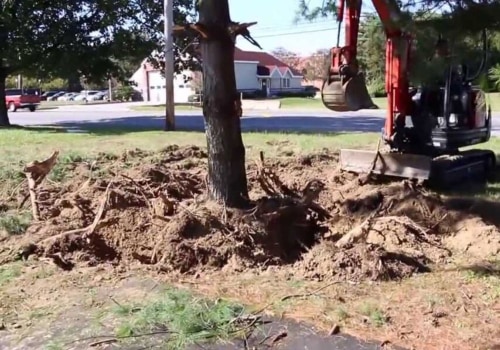
Excavating trees in rocky soil presents a unique set of challenges that can complicate the process significantly.One of the primary issues is the limitations of excavation equipment. Standard machinery may struggle to penetrate hard, rocky ground, leading to inefficiencies and increased labor costs. Specialized equipment, such as rock drills or hydraulic excavators, may be necessary, but these can also be more expensive and require skilled operators.Another significant challenge is the potential for root damage. In rocky soil, tree roots often grow in unpredictable patterns, intertwining with rocks and other roots.
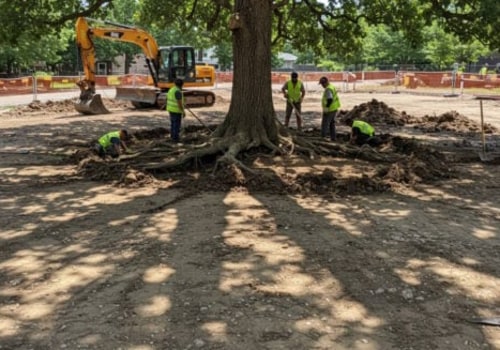
This makes it difficult to extract the tree without causing harm to its root system. Damaging the roots can lead to stress on the tree, affecting its ability to survive post-excavation. Additionally, if the tree is being relocated, compromised roots can hinder its chances of thriving in a new environment.Moreover, excavating in rocky areas poses potential hazards for workers. The presence of large rocks can create tripping hazards and increase the risk of equipment accidents.
Workers must be vigilant and take extra precautions to ensure safety during the excavation process. This includes wearing appropriate protective gear and being aware of their surroundings at all times.In summary, while tree excavation in rocky soil is possible, it requires careful planning and consideration of the challenges involved. From equipment limitations to root damage and safety hazards, understanding these factors is crucial for a successful excavation project.
Choosing the Right Equipment for Tree Excavation
When it comes to tree excavation in areas with rocky soil, selecting the right equipment is crucial for efficiency and safety. The presence of rocks can complicate the excavation process, making it essential to use tools specifically designed to handle such challenging conditions.Essential Equipment for Rocky Soil
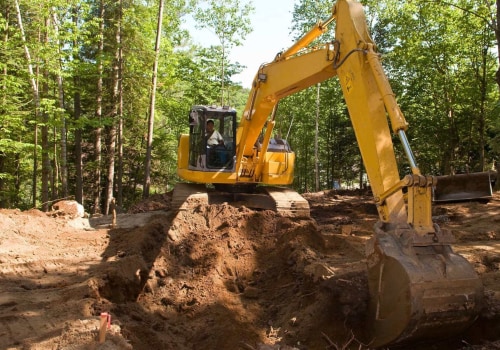
- Excavators: These heavy-duty machines are equipped with powerful hydraulic systems that can break through rocky terrain.
Look for models with a rock bucket attachment, which is specifically designed to handle debris and boulders.
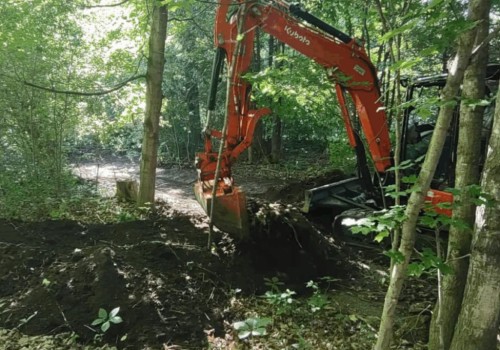
- Backhoes: Versatile and compact, backhoes can be used for both digging and lifting. They are particularly useful in tight spaces where larger excavators cannot operate.
- Stump Grinders: After tree removal, stump grinders are essential for grinding down tree stumps and roots, especially in rocky soil where roots may be intertwined with rocks.
- Hand Tools: For smaller trees or delicate areas, hand tools like pickaxes, sledgehammers, and shovels can be effective. These tools allow for precise work around rocks without damaging surrounding vegetation.
Choosing the Best Equipment
When selecting equipment for tree excavation, consider the following factors:- Soil Composition: Assess the type and density of rocks present. This will help determine whether you need heavy machinery or if hand tools will suffice.
- Size of the Tree: Larger trees may require more robust equipment, while smaller trees can often be managed with lighter tools.
- Accessibility: Ensure that the chosen equipment can access the site without causing damage to surrounding areas.
Compact machines may be necessary in urban settings.
Safety Considerations During Tree Excavation
When it comes to tree excavation, safety should always be a top priority. The process can be hazardous, especially in areas with rocky soil where the risk of accidents increases. Here are some essential safety considerations and tips to ensure a safe excavation process.- Assess the Site: Before beginning any excavation work, conduct a thorough assessment of the site. Look for potential hazards such as uneven terrain, large rocks, or nearby structures that could pose risks during the excavation.
- Wear Protective Gear: Always wear appropriate personal protective equipment (PPE).
This includes hard hats, safety goggles, gloves, and steel-toed boots to protect against falling debris and sharp objects.
- Use Proper Tools: Ensure that you are using the right tools for the job. Heavy machinery may be necessary for rocky soil, but it should be operated by trained professionals to avoid accidents.
- Mark Utilities: Before starting the excavation, contact local utility companies to mark any underground lines. This will help prevent accidental damage to gas, water, or electrical lines.
- Establish a Safe Perimeter: Set up a safety perimeter around the excavation site. Use cones or barriers to keep unauthorized personnel away from the area while work is in progress.
Ensure that all team members are aware of emergency procedures and know how to respond in case of an accident. Regularly review safety protocols and conduct training sessions to keep everyone informed about best practices in tree excavation.By following these safety tips and being vigilant throughout the excavation process, you can significantly reduce the risk of accidents and injuries while effectively managing tree removal in rocky soil areas.
Environmental Impact of Tree Excavation in Rocky Soil
Excavating trees in rocky soil presents unique environmental challenges that must be carefully considered. The presence of rocks can complicate the excavation process, leading to potential damage to the surrounding ecosystem. When trees are removed, the immediate area can experience significant changes, affecting both the soil structure and local wildlife.One of the primary ecological considerations is the impact on soil health.Rocky soils often have a delicate balance of nutrients and microorganisms that support plant life. Disturbing this balance through tree excavation can lead to erosion, loss of fertility, and disruption of natural habitats. To mitigate these effects, it is crucial to:
- Conduct a thorough site assessment: Before any excavation begins, evaluate the area for sensitive ecosystems, including nearby water sources and wildlife habitats.
- Implement erosion control measures: Use silt fences or other barriers to prevent soil erosion during and after the excavation process.
- Minimize disturbance: Employ techniques that reduce soil disruption, such as using specialized equipment designed for rocky terrain.
To address this issue:
- Plan for replanting: Consider planting native species in the area post-excavation to restore ecological balance.
- Engage with local environmental groups: Collaborate with organizations focused on conservation to ensure best practices are followed.
FAQs About Tree Excavation in Rocky Soil
When it comes to tree excavation in rocky soil, many homeowners have questions about the feasibility and methods involved. Here are some frequently asked questions that can help clarify common concerns.- Can trees be excavated from rocky soil?
Yes, trees can be excavated from rocky soil, but the process may require specialized equipment and techniques. The presence of rocks can complicate the excavation, making it more labor-intensive. - What equipment is needed for tree excavation in rocky areas?
Typically, heavy machinery such as excavators or backhoes equipped with rock-breaking attachments are used.These tools can help break through tough soil and remove large rocks that may obstruct the excavation process.
- Are there specific techniques for removing trees in rocky soil?
Yes, techniques such as root pruning and using hydraulic tools can be effective. Root pruning involves cutting the roots before excavation to minimize damage to surrounding areas and facilitate easier removal. - What are the risks associated with tree excavation in rocky soil?
Excavating trees in rocky soil can pose risks such as damaging nearby structures or utilities. Additionally, improper techniques may lead to injury or equipment damage. It’s crucial to hire professionals who understand these risks. - How does rocky soil affect tree health?
Rocky soil can limit root growth and access to nutrients and water, potentially affecting tree health.Trees in such conditions may be more susceptible to stress and disease, making timely excavation important if removal is necessary.
Conclusion: Key Takeaways on Tree Excavation in Rocky Soil
In conclusion, tree excavation in areas with rocky soil presents unique challenges that require careful consideration and planning. Understanding the specific conditions of the site is crucial for successful excavation and ensuring the health of surrounding vegetation. Here are the key takeaways regarding tree excavation in rocky soil:- Soil Assessment: Before beginning any excavation project, it is essential to conduct a thorough soil assessment. This includes identifying the type and extent of rock formations present, which can significantly impact excavation methods.
- Proper Equipment: Utilizing the right tools and machinery is vital.
Heavy-duty excavators equipped with specialized attachments can effectively break through rocky terrain, minimizing damage to tree roots and surrounding soil.
- Expert Consultation: Engaging with professionals who have experience in tree excavation in rocky areas can provide valuable insights. They can recommend best practices and techniques tailored to the specific challenges posed by the site.
- Environmental Considerations: It’s important to consider the ecological impact of excavation. Protecting nearby plants and wildlife should be a priority, as disruption can lead to long-term environmental consequences.
- Post-Excavation Care: After excavation, implementing proper care for the remaining trees and soil is essential. This may include replanting native species, mulching, and ensuring adequate water supply to support recovery.