Tree excavation is a critical process in both landscaping and construction, serving as the foundation for various projects that require land clearing and site preparation. This procedure involves the careful removal of trees, roots, and other vegetation to create a clean slate for new developments. The significance of tree excavation extends beyond mere aesthetics; it plays a vital role in ensuring the safety and stability of structures that will be built in the area. In many cases, heavy machinery is employed to facilitate the tree excavation process. These powerful machines, such as excavators and bulldozers, are designed to handle the substantial physical demands of uprooting large trees and their extensive root systems.
The use of heavy machinery not only speeds up the excavation process but also minimizes the risk of damage to surrounding landscapes and infrastructure. By utilizing advanced equipment, contractors can efficiently manage the complexities associated with tree removal, ensuring that the site is prepared for subsequent construction activities. Understanding the importance of tree excavation is essential for anyone involved in landscaping or construction. It is not merely about removing trees; it is about creating a safe and functional environment for future projects. As we delve deeper into this topic, we will explore how heavy machinery enhances the efficiency and effectiveness of tree excavation, ultimately contributing to successful project outcomes.
What is Tree Excavation?
Tree excavation is a specialized process that involves the careful removal of trees from a specific area, often to make way for construction, landscaping, or other land development projects.This process is not merely about cutting down a tree; it encompasses a series of steps designed to ensure that the surrounding environment is minimally disturbed and that the tree is removed safely and efficiently.The tree removal process typically begins with an assessment of the site. Professionals evaluate the tree's health, size, and location, as well as any potential hazards that may arise during removal. This assessment helps in determining the best approach for excavation.Once the assessment is complete, the next step involves preparing the site. This may include clearing away debris and ensuring that there is adequate space for heavy machinery to operate.
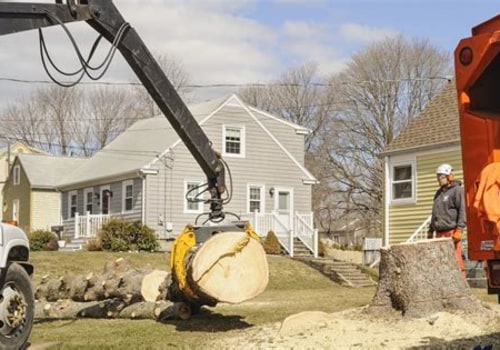
The use of heavy machinery plays a crucial role in this phase, as it allows for the efficient handling of large trees and minimizes manual labor.
Tree Excavation Techniques
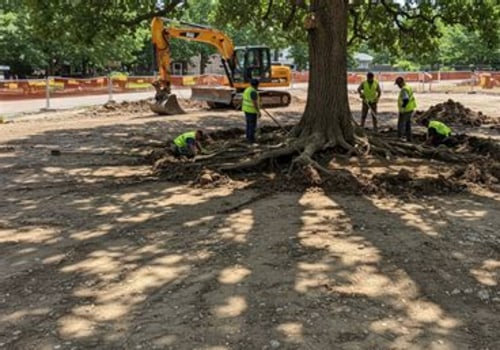
- Mechanical Excavation: This technique utilizes excavators and backhoes to uproot trees. These machines can quickly remove large root systems and are particularly effective in tight spaces.
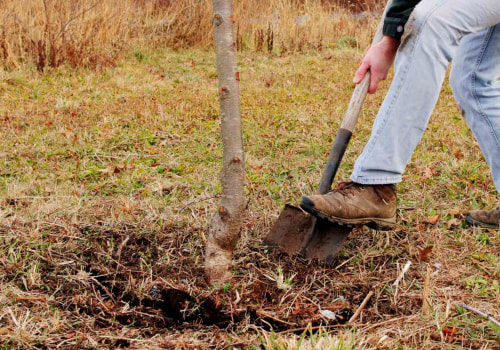
- Hand Excavation: In some cases, especially when dealing with smaller trees or delicate environments, hand tools may be used to carefully dig around the roots before removal.
- Stump Grinding: After a tree has been removed, stump grinding machines can be employed to eliminate the remaining stump and roots, allowing for replanting or landscaping.
The Importance of Heavy Machinery in Tree Excavation
When it comes to tree excavation, the role of heavy machinery cannot be overstated. These powerful machines are essential for ensuring that the process is not only efficient but also safe and effective.The use of heavy machinery in tree excavation significantly enhances the overall operation, allowing for quicker removal of trees while minimizing damage to the surrounding environment.
Efficiency in Tree Removal
- Speed: Heavy machinery such as excavators and bulldozers can remove large trees in a fraction of the time it would take using manual methods. This speed is crucial, especially in urban areas where time constraints are often a factor.
- Power: The sheer force of heavy machinery allows for the uprooting of even the most stubborn trees, including those with extensive root systems. This capability ensures that the entire tree, including its roots, is removed effectively.
- Precision: Modern heavy machinery is equipped with advanced technology that allows operators to execute precise movements, reducing the risk of collateral damage to nearby structures or vegetation.
Safety Considerations
- Reduced Risk: Using heavy machinery minimizes the physical strain on workers and reduces the likelihood of accidents that can occur during manual tree removal.
- Controlled Environment: Operators can maintain a safe distance from falling branches or unstable trees, which is particularly important in hazardous situations.
Effectiveness in Complex Situations
In scenarios where trees are located in tight spaces or near valuable infrastructure, heavy machinery provides a level of effectiveness that manual methods simply cannot match. The ability to maneuver large equipment into confined areas allows for careful excavation without compromising safety or efficiency.In conclusion, the integration of heavy machinery into tree excavation processes not only streamlines operations but also enhances safety and effectiveness.
As urban development continues to expand, the reliance on these powerful tools will only grow, making them indispensable in modern tree management practices.
Types of Heavy Machinery Used in Tree Excavation
When it comes to tree excavation, the choice of heavy machinery plays a crucial role in ensuring efficiency and safety. Various types of equipment are specifically designed to handle the complexities involved in removing trees and their roots from the ground.Excavators for Tree Removal
Excavators are among the most versatile machines used in tree excavation. Equipped with a long arm and a bucket, they can easily dig around the base of a tree, allowing for precise removal. Their ability to rotate 360 degrees makes them ideal for maneuvering in tight spaces, which is often necessary in residential areas or urban environments.Additionally, excavators can be fitted with specialized attachments such as grapples or saws, enhancing their capability to cut and lift large tree sections.
Bulldozers in Tree Excavation
Bulldozers are another essential piece of machinery in the tree excavation process. Known for their powerful blades, they can push over trees and clear large areas quickly. This is particularly useful when dealing with multiple trees or when preparing land for construction. The weight and strength of a bulldozer allow it to handle tough soil conditions, making it effective for uprooting trees along with their root systems.Stump Grinders
After a tree has been removed, stump grinders come into play.These machines are specifically designed to grind down tree stumps below ground level, preventing regrowth and allowing for seamless landscaping. Stump grinders use sharp blades to chip away at the wood, turning it into mulch that can be easily disposed of or used as ground cover.In summary, the use of heavy machinery such as excavators, bulldozers, and stump grinders is vital in the tree excavation process. Each type of equipment serves a unique purpose, contributing to a more efficient and effective removal operation.
How Heavy Machinery Enhances Safety During Tree Excavation
In the realm of tree excavation, safety is paramount, and the integration of heavy machinery plays a crucial role in enhancing operational safety. The use of specialized equipment not only streamlines the excavation process but also significantly reduces the risks associated with tree removal.Heavy Machinery Safety Features
- Stability and Control: Heavy machinery, such as excavators and bulldozers, are designed with a low center of gravity, providing enhanced stability during operation.
This minimizes the risk of tipping over, especially when working on uneven terrain.
- Operator Protection: Many modern machines come equipped with enclosed cabs that protect operators from falling debris and other hazards. These cabs often include safety features like roll-over protective structures (ROPS) and falling object protective structures (FOPS).
- Advanced Technology: Features such as GPS tracking and automated controls allow for precise movements, reducing the likelihood of accidents. Operators can execute complex maneuvers with greater accuracy, ensuring that trees are removed safely without damaging surrounding property.
Reducing Risks in Tree Removal
The use of heavy machinery in tree excavation not only enhances efficiency but also mitigates risks associated with manual labor. For instance, large trees can pose significant dangers when being cut down; heavy machinery allows for controlled felling and removal, minimizing the chance of injury to workers.Additionally, heavy machinery can handle large root systems that would be challenging to excavate manually.
This capability reduces the physical strain on workers and lowers the risk of accidents related to fatigue or improper lifting techniques.In conclusion, the incorporation of heavy machinery in tree excavation operations is vital for ensuring safety. With advanced safety features and capabilities designed to reduce risks, these machines not only protect workers but also enhance the overall efficiency of tree removal projects.
Environmental Considerations in Tree Excavation with Heavy Machinery
The use of heavy machinery in tree excavation can significantly impact the surrounding environment. Understanding these implications is crucial for ensuring that tree removal is conducted responsibly and sustainably.Environmental Impact of Tree Excavation
- Soil Disturbance: Heavy machinery can lead to soil compaction, which affects water infiltration and root growth for nearby plants.
- Habitat Disruption: The removal of trees can disrupt local wildlife habitats, leading to a loss of biodiversity.
- Air Quality: The operation of heavy machinery often results in emissions that can degrade air quality in the vicinity.
Sustainable Practices in Tree Removal
- Selective Excavation: Instead of clear-cutting, using selective excavation techniques can help preserve surrounding vegetation and minimize ecological disruption.
- Timing: Conducting tree excavation during specific seasons can reduce the impact on wildlife, particularly during nesting or breeding periods.
- Replanting: Implementing a replanting strategy post-excavation can help restore the ecosystem and promote biodiversity.
Minimizing Damage During Excavation
- Buffer Zones: Establishing buffer zones around the excavation site can protect sensitive areas from damage.
- Proper Equipment Use: Utilizing equipment designed for minimal ground disturbance can significantly reduce the environmental footprint of tree excavation.
- Training Operators: Ensuring that operators are trained in environmentally friendly practices can lead to more conscientious excavation efforts.
Common Challenges Faced During Tree Excavation with Heavy Machinery
Tree excavation using heavy machinery can be a complex process, often fraught with various challenges. Understanding these common challenges is crucial for ensuring a successful operation.- Site Accessibility: One of the primary obstacles in tree excavation is the accessibility of the site.
Heavy machinery requires adequate space to maneuver, and tight or uneven terrain can hinder operations. In urban areas, this challenge is exacerbated by nearby structures and utilities.
- Root Systems: Trees often have extensive root systems that can complicate excavation. These roots may intertwine with underground utilities or other vegetation, making it difficult to remove the tree without causing damage.
- Soil Conditions: The type of soil can significantly impact the efficiency of tree excavation. Rocky or compacted soil can slow down machinery and increase wear and tear on equipment, leading to potential delays.
- Weather Conditions: Adverse weather can pose significant challenges during tree excavation.
Rain can create muddy conditions that make it difficult for heavy machinery to operate effectively, while high winds can pose safety risks.
- Pre-Excavation Planning: Conducting a thorough site assessment before beginning excavation can help identify potential obstacles. This includes mapping out root systems and checking for underground utilities.
- Utilizing Specialized Equipment: Employing machinery designed for specific conditions, such as compact excavators for tight spaces or stump grinders for root removal, can enhance efficiency and safety.
- Weather Monitoring: Keeping an eye on weather forecasts allows teams to plan operations around adverse conditions, minimizing downtime and ensuring safety.
- Skilled Operators: Ensuring that operators are well-trained in handling heavy machinery in challenging environments is essential. Their expertise can make a significant difference in navigating obstacles effectively.
FAQs About Heavy Machinery and Tree Excavation
When it comes to tree excavation, many people have questions about the role of heavy machinery and its impact on the process. Here are some frequently asked questions that can help clarify common concerns:- What types of heavy machinery are used in tree excavation? Commonly used machinery includes excavators, bulldozers, and stump grinders.
Excavators are particularly effective for uprooting large trees, while bulldozers can clear the area around the tree. Stump grinders are essential for removing the remaining stump after a tree has been cut down.
- Is heavy machinery necessary for all tree excavation projects? No, not all projects require heavy machinery. Smaller trees or those in tight spaces may be removed using manual methods or smaller equipment. However, for larger trees or extensive excavation, heavy machinery significantly increases efficiency and safety.
- How does heavy machinery affect the surrounding environment? While heavy machinery can expedite the tree excavation process, it can also cause soil compaction and damage to nearby plants.
It’s crucial to assess the site beforehand and take measures to minimize environmental impact.
- Are there safety concerns associated with using heavy machinery for tree excavation? Yes, safety is a top priority. Operators must be trained and follow safety protocols to prevent accidents. Additionally, ensuring that the area is clear of obstacles and bystanders is essential to avoid injuries.
- What should I consider when hiring a service for tree excavation? Look for companies with experience in using heavy machinery for tree excavation. Check their credentials, read reviews, and ask about their safety practices to ensure a smooth and safe operation.
Conclusion: The Future of Tree Excavation with Heavy Machinery
As we look towards the future of tree excavation, it is clear that the role of heavy machinery will continue to evolve, driven by advancements in technology and a growing emphasis on sustainability.The integration of innovative machinery not only enhances efficiency but also minimizes environmental impact, making tree excavation processes more responsible.One significant trend is the development of eco-friendly machinery. Manufacturers are increasingly focusing on creating equipment that reduces emissions and noise pollution, which is crucial in urban areas where tree excavation often takes place. This shift not only aligns with environmental regulations but also addresses community concerns about the ecological footprint of heavy machinery.Moreover, the incorporation of smart technology into heavy machinery is set to revolutionize tree excavation. Features such as GPS tracking, automated controls, and real-time data analytics allow operators to execute tasks with greater precision and safety.
This technological advancement not only improves operational efficiency but also enhances the safety of workers and surrounding environments.In addition, the future may see an increase in the use of robotics and drones in tree excavation. These tools can assist in surveying areas before excavation begins, providing valuable data on tree health and soil conditions. By utilizing these technologies, companies can make informed decisions that lead to better outcomes for both the project and the ecosystem.In conclusion, as heavy machinery continues to play a pivotal role in tree excavation, embracing innovation will be essential. The focus on sustainability, smart technology, and advanced tools will not only enhance efficiency but also ensure that tree excavation practices are conducted responsibly and with respect for our natural environment.