Tree excavation is a critical process that involves the removal of trees from a specific area, often to make way for construction, landscaping, or agricultural purposes. While it may seem like a straightforward task, the impact of tree excavation extends far beyond the immediate physical changes to the landscape. Understanding this process is essential for anyone involved in land management, urban planning, or environmental conservation. The significance of tree excavation lies in its profound effects on the surrounding ecosystem. Trees play a vital role in maintaining ecological balance by providing habitat for wildlife, improving air quality, and contributing to soil health.
When trees are removed, the consequences can ripple through the ecosystem, leading to habitat loss for various species and altering local climate conditions. This section aims to shed light on these ecological effects of tree removal, emphasizing the need for responsible practices and informed decision-making. As we delve deeper into the topic, we will explore not only the immediate impacts of tree excavation but also the long-term implications for biodiversity and ecosystem services. By recognizing the importance of trees in our environment, we can better appreciate the necessity of sustainable practices that mitigate negative outcomes associated with tree removal. Join us as we uncover the intricate relationship between tree excavation and ecological health.
What is Tree Excavation?
Tree excavation refers to the process of removing a tree from its location, including the roots and surrounding soil.This procedure is often necessary for various reasons, such as construction, landscaping, or to eliminate diseased or hazardous trees. Understanding the intricacies of tree excavation is crucial for minimizing its impact on the surrounding ecosystem.The tree excavation process typically involves several key steps:
- Assessment: Before any excavation begins, an assessment of the tree's health and the surrounding area is conducted. This includes evaluating the tree's size, species, and condition.
- Preparation: The area around the tree is cleared of debris and obstacles to ensure a safe working environment.
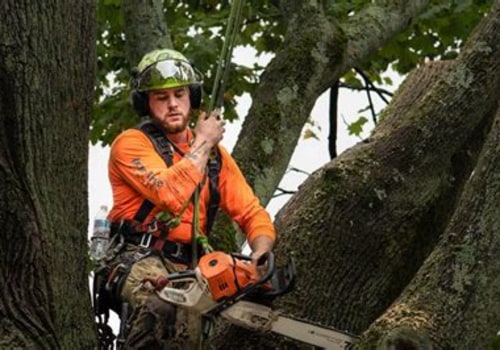
- Cutting: The tree is cut down using appropriate tools, ensuring that the cut is made at a height that allows for safe removal.
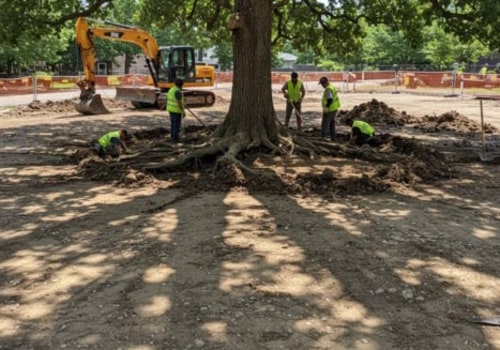
- Root Removal: After the tree is felled, the roots are excavated. This step is critical as it prevents regrowth and allows for proper site preparation.
- Site Restoration: Finally, the area may be restored with soil amendments or new plantings to support the local ecosystem.
- Manual Excavation: This method involves using hand tools for smaller trees or in sensitive areas where machinery cannot access.
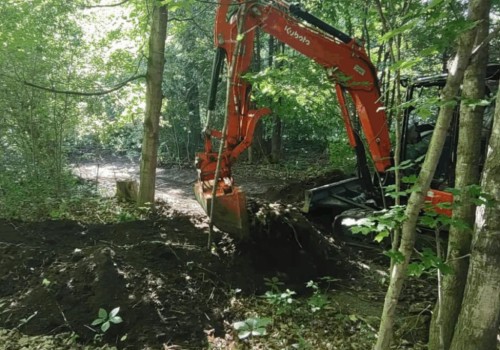
- Mechanical Excavation: Heavy machinery, such as excavators or backhoes, is used for larger trees or when efficiency is a priority.
- Stump Grinding: Instead of complete removal, this method grinds down the stump below ground level, allowing for easier site restoration.
Understanding these aspects of tree excavation helps ensure that the process is carried out responsibly and sustainably.
Immediate Effects of Tree Excavation on Soil Health
Tree excavation has significant immediate effects on soil health, which can lead to a cascade of ecological consequences. When trees are removed, the soil structure is often disrupted, leading to increased vulnerability to erosion. The roots of trees play a crucial role in holding the soil together; their removal can result in loose, unstable soil that is easily washed away by rain or blown away by wind. Moreover, the process of tree excavation can lead to nutrient depletion. Trees contribute to the nutrient cycle by returning organic matter to the soil through leaf litter and root decay.When trees are excavated, this source of nutrients is abruptly cut off, leading to a decline in soil fertility. The absence of tree cover also means that less organic material is added back into the soil, further exacerbating nutrient loss. Additionally, the disturbance caused by excavation can expose the soil to direct sunlight and harsh weather conditions, which can lead to increased evaporation and further drying out of the soil. This not only affects the immediate area but can also have ripple effects on surrounding ecosystems. In summary, understanding the immediate effects of tree excavation on soil health is essential for assessing its long-term ecological impacts. The disruption of soil structure, increased erosion rates, and nutrient depletion are critical factors that must be considered in any land management strategy.
Impact on Local Flora and Fauna
Tree excavation significantly disrupts local ecosystems, leading to a cascade of negative effects on both wildlife and plant species.When trees are removed, the immediate impact is the loss of habitat for numerous animal species that rely on these trees for shelter and food.Effects on Wildlife Many birds, mammals, and insects depend on trees for nesting sites and food sources. For instance, woodpeckers excavate cavities in trees for nesting, while various insects thrive in the bark and leaves. The removal of trees can lead to a decline in these populations, as they struggle to find alternative habitats. Additionally, larger animals such as deer and foxes may lose their foraging grounds, leading to increased competition for resources.Plant Species Loss The excavation process often involves not just the removal of the tree itself but also the disruption of the surrounding soil and vegetation.
This can result in plant species loss, particularly those that are native to the area. Many understory plants rely on the shade and microclimate created by mature trees. Without these trees, these plants may not survive, leading to a reduction in biodiversity.Habitat Destruction Furthermore, tree excavation contributes to habitat destruction, which can have long-term effects on the ecosystem. The removal of trees alters soil composition and can lead to erosion, affecting water quality in nearby streams and rivers.
This degradation can further impact aquatic life that depends on clean water and stable banks. In summary, tree excavation poses a serious threat to local flora and fauna by disrupting habitats, reducing biodiversity, and altering ecological balance. Protecting existing trees and considering alternatives to excavation can help preserve these vital ecosystems.
Long-term Ecological Consequences of Tree Excavation
The process of tree excavation can have profound and lasting effects on the surrounding ecosystem. When trees are removed, the immediate impact is often visible, but the long-term consequences can be far more significant and complex. One of the most critical long-term effects of tree removal is the disruption of ecosystem balance. Trees play a vital role in maintaining the health of their environment by providing habitat, food, and shelter for numerous species.Their removal can lead to a cascade of negative effects:
- Biodiversity loss: The removal of trees can result in the loss of habitat for various organisms, leading to a decline in species diversity. Many animals depend on trees for nesting, foraging, and protection from predators. As these habitats disappear, so do the species that rely on them.
- Soil degradation: Trees contribute to soil health by preventing erosion and maintaining nutrient levels. Their roots stabilize the soil, and their leaf litter enriches it.
Without trees, soil can become compacted and less fertile, making it difficult for other plants to thrive.
- Altered water cycles: Trees play a crucial role in regulating water cycles through processes like transpiration. Their removal can lead to changes in local hydrology, resulting in increased runoff and reduced groundwater recharge. This alteration can affect not only plant life but also aquatic ecosystems downstream.
The intricate relationships within ecosystems mean that removing trees can trigger a series of events that compromise biodiversity and ecosystem stability. Therefore, it is essential to consider these factors when planning any tree removal activities.
Mitigation Strategies for Reducing Negative Impacts
To effectively mitigate the negative impacts of tree excavation on the surrounding ecosystem, it is essential to adopt a range of sustainable practices and reforestation efforts. These strategies not only help preserve biodiversity but also promote ecological balance.- Pre-Excavation Planning: Before any excavation begins, thorough planning is crucial. Conducting an environmental impact assessment can identify sensitive areas and species that may be affected.
This allows for informed decision-making regarding which trees to excavate and which to preserve.
- Selective Excavation: Instead of clear-cutting, employing selective excavation techniques can minimize disruption. This involves removing only those trees that are necessary for development while leaving others intact to maintain habitat and soil stability.
- Soil Preservation: Protecting the soil during excavation is vital. Techniques such as using mats or boards can prevent soil compaction and erosion, ensuring that the land remains fertile for future plant growth.
- Reforestation Efforts: After excavation, replanting native tree species can help restore the ecosystem. Native trees are better adapted to local conditions and provide essential habitat for wildlife.
Establishing a reforestation plan that includes a variety of species can enhance biodiversity.
- Community Involvement: Engaging local communities in reforestation and conservation efforts fosters a sense of stewardship. Educational programs can raise awareness about the importance of trees and encourage community members to participate in planting initiatives.
- Sustainable Practices: Implementing sustainable forestry practices, such as agroforestry or permaculture, can create a balance between development and conservation. These methods promote the integration of trees into agricultural systems, enhancing both productivity and ecological health.
Case Studies: Successful Restoration After Tree Excavation
Restoration efforts following tree excavation can yield remarkable results, as demonstrated by several case studies across different ecosystems. These examples highlight the importance of strategic planning and community involvement in ecological recovery.Case Study 1: Urban Park Revitalization
In a major urban park in Chicago, extensive tree excavation was necessary to address disease in a large population of ash trees.Following the removal, local environmental groups collaborated with city officials to implement a restoration plan that included:
- Planting native tree species that are resilient to urban conditions.
- Creating educational programs for the community about the importance of biodiversity.
- Establishing a volunteer program for ongoing maintenance and monitoring.
Case Study 2: Coastal Dune Restoration
A coastal area in Florida underwent tree excavation to remove invasive species that were threatening native flora. The restoration project focused on:- Reintroducing native plants that stabilize sand dunes and provide habitat for local wildlife.
- Implementing erosion control measures to protect newly planted areas.
- Engaging local schools in planting events to foster community stewardship.
Case Study 3: Forest Regeneration
A forested area in Oregon experienced tree excavation due to logging practices. In response, a non-profit organization initiated a long-term restoration project that included:- Selective replanting of native tree species to promote natural regeneration.
- Monitoring soil health and biodiversity over time.
- Collaborating with local tribes to incorporate traditional ecological knowledge into restoration practices.
Frequently Asked Questions About Tree Excavation and Ecosystems
When considering tree excavation, many people have questions about its effects on the surrounding ecosystem. Here are some frequently asked questions that can help clarify these concerns:What are the ecological impacts of tree excavation?
Tree excavation can lead to significant changes in the local ecosystem.Removing a tree disrupts habitats for various species, including birds, insects, and mammals that rely on trees for shelter and food. Additionally, the removal of trees can affect soil quality and water retention, leading to erosion and decreased biodiversity.
How does tree excavation affect soil health?
The process of tree excavation often involves disturbing the soil, which can lead to compaction and loss of nutrients. This disruption can hinder the growth of other plants and alter the microbial communities essential for a healthy ecosystem. Maintaining soil health is crucial for supporting diverse plant life and preventing erosion.Are there alternatives to tree excavation?
- Tree trimming: Instead of complete removal, consider trimming branches to maintain tree health and safety.
- Transplanting: If feasible, transplanting a tree to a different location can preserve its ecological benefits.
- Selective removal: Only remove trees that pose a significant risk or are dead, allowing healthy trees to thrive.
What should I do if I need to excavate a tree?
If you must proceed with tree excavation, consult with an arborist or environmental specialist.They can provide guidance on minimizing ecological damage and suggest best practices for the surrounding environment.Understanding these aspects of tree excavation can help mitigate its negative impacts on the ecosystem while ensuring safety and compliance with local regulations.
Conclusion: The Need for Responsible Tree Excavation Practices
In conclusion, the impact of tree excavation on the surrounding ecosystem is profound and multifaceted. As we have explored throughout this article, the removal of trees can lead to significant disruptions in local biodiversity, soil health, and water cycles. It is crucial to recognize that trees play a vital role in maintaining ecological balance, providing habitat for wildlife, and contributing to air and water quality.To mitigate the negative effects associated with tree excavation, it is essential to adopt responsible practices. Here are some key considerations:- Assessment of Ecosystem Impact: Before any excavation begins, a thorough assessment should be conducted to understand the potential impacts on local flora and fauna.
- Selective Excavation: Instead of clear-cutting, selective excavation techniques can minimize damage to surrounding vegetation and wildlife habitats.
- Replanting Initiatives: Implementing replanting programs can help restore the ecosystem by replacing removed trees with native species that support local wildlife.
- Soil Conservation Practices: Employing methods to protect soil integrity during excavation can prevent erosion and maintain nutrient levels essential for plant growth.
By prioritizing sustainable practices, we can ensure that our actions today do not compromise the health of our ecosystems for future generations. The balance between development and conservation is delicate, but with informed decision-making and a commitment to ecological stewardship, we can achieve a harmonious coexistence with nature.