In urban environments, where space is often at a premium, the concept of tree excavation becomes increasingly significant. This process involves the careful removal of trees to accommodate construction projects, infrastructure improvements, or to enhance the overall landscape. Understanding tree excavation is crucial for city planners, landscapers, and residents alike, as it balances the need for development with the preservation of green spaces. Urban tree removal is not merely about cutting down trees; it encompasses a range of techniques aimed at minimizing damage to surrounding ecosystems while ensuring safety and accessibility. The challenges associated with tree excavation in limited spaces are manifold.
Factors such as root systems, soil conditions, and proximity to buildings or utilities must be meticulously evaluated. Moreover, the implications of removing a tree extend beyond aesthetics; they can affect local wildlife habitats and contribute to urban heat islands. As cities continue to grow and evolve, understanding the intricacies of tree excavation becomes essential. It allows for informed decision-making that respects both urban development needs and environmental sustainability. In the following sections, we will delve deeper into the methods used for tree excavation in urban settings and explore best practices that can help mitigate potential negative impacts.
The Importance of Trees in Urban Areas
Trees play a vital role in urban environments, offering a multitude of ecological, aesthetic, and social benefits.Their presence not only enhances the beauty of city landscapes but also contributes significantly to the overall health of urban ecosystems.
Ecological Benefits
- Air Quality Improvement: Trees act as natural air filters, absorbing pollutants and releasing oxygen, which is essential for urban dwellers.
- Temperature Regulation: Urban areas often suffer from the heat island effect. Trees provide shade and release moisture into the air, helping to cool the environment.
- Stormwater Management: The root systems of trees absorb rainwater, reducing runoff and minimizing the risk of flooding.
Aesthetic Value
The visual appeal of trees cannot be overstated. They add color, texture, and life to otherwise sterile concrete landscapes. Well-planned urban forestry can transform neighborhoods, making them more inviting and enjoyable for residents and visitors alike.
Social Benefits
- Community Well-being: Green spaces with trees encourage outdoor activities, promote social interaction, and enhance mental health.
- Property Value Increase: Homes and businesses located near trees often see an increase in property values due to their desirable surroundings.
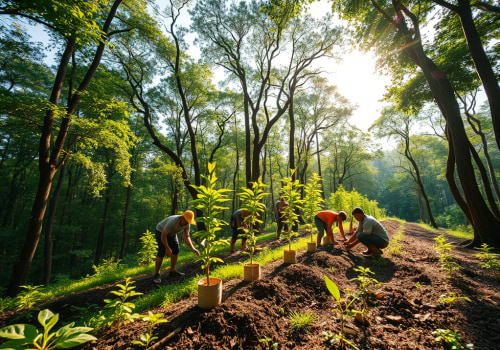
When space is limited, it becomes essential to employ techniques that minimize damage to tree roots and ensure their survival post-excavation. This not only preserves the ecological balance but also maintains the aesthetic and social fabric of urban life.
Challenges of Tree Excavation in Limited Urban Spaces
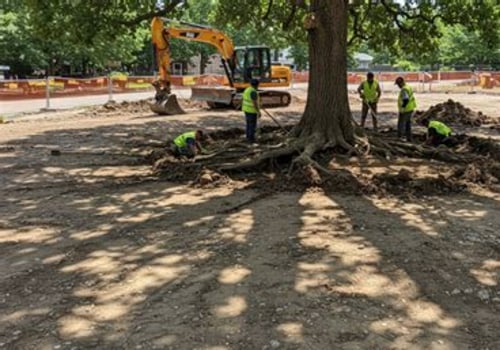
Excavating trees in urban areas presents a unique set of challenges, particularly when space is limited. One of the primary difficulties lies in the root systems of trees, which can extend far beyond the visible trunk and branches. In confined spaces, these roots may intertwine with underground utilities such as water pipes, electrical lines, and sewage systems, complicating the excavation process.Moreover, the infrastructure surrounding urban trees often includes sidewalks, roads, and buildings that can restrict access to the tree itself.This necessitates careful planning and execution to avoid damaging nearby structures or creating hazards for pedestrians and vehicles. The presence of these obstacles can lead to increased costs and time delays during the excavation.Another significant challenge is navigating local regulations and ordinances that govern tree removal and excavation in urban settings. Many cities have strict guidelines aimed at preserving green spaces, which can limit the ability to excavate trees even when necessary. Obtaining the required permits can be a lengthy process, further complicating any planned excavation.Additionally, environmental considerations must be taken into account.
Urban areas often have a higher concentration of pollutants and compacted soil, which can affect tree health and complicate excavation efforts. The need to mitigate damage to surrounding ecosystems adds another layer of complexity to the process.In summary, the challenges of tree excavation in limited urban spaces are multifaceted, involving root systems, infrastructure constraints, regulatory hurdles, and environmental factors. Addressing these challenges requires a comprehensive approach that balances the need for excavation with the preservation of urban greenery.
Techniques for Successful Tree Excavation
Excavating trees in urban areas requires a careful approach to ensure the safety of both the tree and the surrounding environment. Here are some effective tree excavation techniques that can be employed:- Root Pruning: Before excavation, it is essential to prune the roots of the tree.
This technique involves cutting back the roots to minimize shock and promote recovery after relocation. It is advisable to use sharp, clean tools to make precise cuts.
- Soil Aeration: Aerating the soil around the tree can help reduce compaction and improve root health. This method allows for better access to nutrients and water, making the tree more resilient during the excavation process.
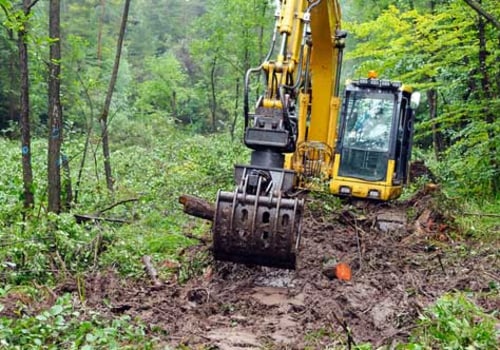
- Use of Specialized Equipment: In tight urban spaces, using specialized equipment such as mini-excavators or air spades can facilitate safer and more efficient tree removal. These tools allow for precise digging without damaging nearby structures or utilities.
- Careful Assessment: Prior to excavation, conduct a thorough assessment of the site.
Identify any underground utilities, nearby structures, and other potential hazards. This information is crucial for planning a safe excavation.
- Team Coordination: Successful tree excavation often requires a coordinated effort among a team of professionals. Clear communication and defined roles can help ensure that everyone is aware of their responsibilities during the process.
Case Studies: Successful Urban Tree Excavations
Urban tree excavation can be a challenging yet rewarding endeavor, as demonstrated by several successful case studies across various cities.These examples not only showcase effective techniques but also provide valuable lessons for future projects.
Case Study 1: New York City
In New York City, a significant tree excavation project was undertaken in Central Park to facilitate the installation of new underground utilities. The team utilized a root pruning technique, which involved carefully cutting back roots to minimize damage while allowing the tree to remain stable. This method proved successful, as the trees not only survived the excavation but thrived in the following years.Case Study 2: San Francisco
Another notable example comes from San Francisco, where a historic oak tree was excavated to make way for a new building. The project team employed a tree relocation strategy, which involved lifting the tree with a crane and replanting it in a nearby park.This approach preserved the tree's health and allowed it to continue contributing to the urban ecosystem.
Lessons Learned
- Planning is Key: Both case studies emphasized the importance of thorough planning and assessment before excavation. Understanding the tree's root system and surrounding environment is crucial.
- Community Involvement: Engaging with local communities helped raise awareness about the benefits of preserving urban trees, leading to greater support for excavation projects.
- Post-Excavation Care: Providing ongoing care after excavation, such as regular watering and monitoring, is essential for ensuring the long-term health of relocated or pruned trees.
FAQs About Tree Excavation in Urban Areas
When it comes to tree excavation in urban areas, many people have questions about the process, safety, and regulations involved. Here are some frequently asked questions that can help clarify these concerns.- What is tree excavation?
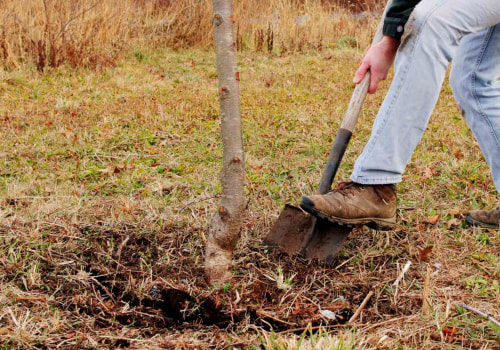
Tree excavation refers to the process of removing a tree from its location, including the roots and surrounding soil. This is often necessary when trees pose a risk to structures or when they need to be relocated due to construction projects. - Can trees be excavated in limited spaces?
Yes, trees can be excavated in urban areas with limited space, but it requires careful planning and specialized equipment.Arborists often use techniques such as root pruning and air spading to minimize damage to surrounding infrastructure.
- What are the risks associated with tree excavation?
Risks include potential damage to nearby utilities, disruption of soil stability, and harm to other plants. It’s crucial to conduct a thorough assessment before proceeding with excavation. - Are there regulations for tree removal in urban areas?
Yes, many cities have specific regulations regarding tree removal and excavation. It’s important to check local laws and obtain necessary permits before starting any work. - How can I ensure the health of remaining trees during excavation?
To protect nearby trees, consider hiring a certified arborist who can implement best practices for root protection and soil management during the excavation process.
Conclusion: Balancing Urban Development and Tree Preservation
In conclusion, the challenge of tree excavation in urban areas with limited space is a complex issue that requires careful consideration of both urban development and tree preservation. As cities continue to expand, the need for infrastructure and housing often conflicts with the necessity of maintaining green spaces.This balance is crucial not only for environmental health but also for enhancing the quality of life for urban residents.Throughout this article, we have explored various aspects of tree excavation, including the techniques used, the potential impacts on local ecosystems, and the legal frameworks that govern tree removal. It is evident that while excavating trees may sometimes be necessary for development projects, it should always be approached with caution and respect for the existing natural environment.
- Tree Preservation in Cities: Urban planners and developers must prioritize tree preservation by integrating green spaces into their designs. This can include creating parks, green roofs, and maintaining existing trees wherever possible.
- Urban Development and Trees: Innovative solutions such as vertical gardens and tree wells can help accommodate both urban growth and tree health. These methods allow cities to expand while still nurturing their natural resources.
- Summary of Tree Excavation Issues: The decision to excavate trees should involve thorough assessments of the ecological impact, community input, and adherence to local regulations.
Sustainable practices must be adopted to ensure that urban development does not come at the expense of our vital tree populations.