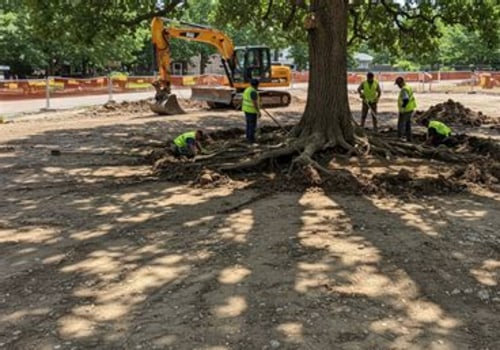
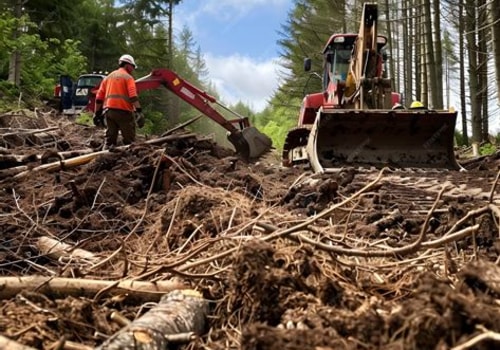
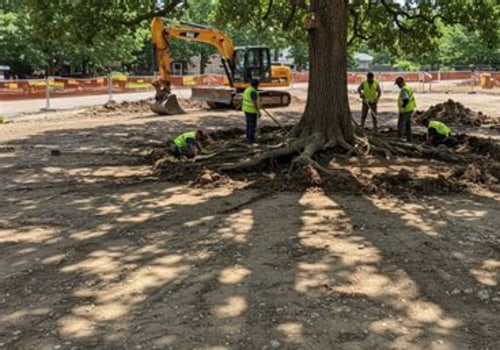
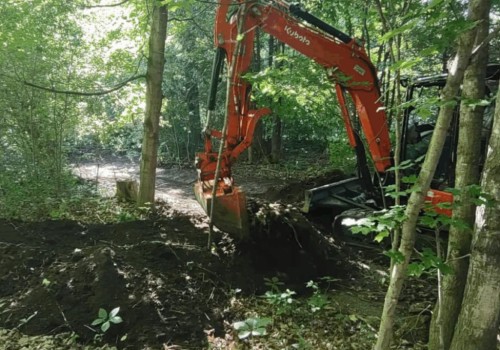
Tree excavation is a crucial process that involves the careful removal or alteration of a tree's roots to address various issues that may arise in both residential and commercial landscapes. Understanding the reasons for tree excavation is essential for homeowners, landscapers, and arborists alike, as it can significantly impact the health of the tree and the surrounding environment. Whether it's to facilitate construction, manage root encroachment, or remedy disease, recognizing when and why to excavate tree roots can lead to better decision-making and outcomes. One of the most common reasons for needing to excavate a tree's roots is to address root issues that can threaten the stability of nearby structures or other plants. For instance, invasive roots can damage sidewalks, driveways, or underground utilities, necessitating their removal to prevent further complications.
Additionally, trees suffering from diseases or pest infestations may require excavation to remove affected roots and promote healthier growth. This proactive approach not only helps in maintaining the aesthetic appeal of a landscape but also ensures the longevity of both the tree and its surroundings. Moreover, tree excavation can be an integral part of landscaping projects where new installations are planned. When planting new trees or installing hardscapes, understanding the existing root systems is vital to avoid future conflicts. By excavating roots strategically, one can create a harmonious balance between new and existing vegetation while minimizing damage.
In essence, tree excavation serves as a vital tool in landscape management, ensuring that both trees and human activities can coexist sustainably.
Understanding Tree Roots and Their Importance
Tree roots play a crucial role in the overall health and stability of a tree. They serve multiple functions, including anchoring the tree to the ground, absorbing water and nutrients, and storing energy. Understanding these functions can help clarify why tree excavation may sometimes be necessary.Anchoring and Stability
The root system of a tree is designed to provide stability. A well-developed network of roots extends deep into the soil, helping to prevent the tree from toppling over during strong winds or heavy rains.
When roots become damaged or diseased, the tree's stability can be compromised, making excavation essential to assess and remedy the situation.
Nutrient and Water Absorption
Roots are responsible for absorbing essential nutrients and water from the soil. A healthy root system allows trees to thrive, but if roots are obstructed or damaged—perhaps due to construction or soil compaction—excavation may be required to restore their function. This process can help ensure that the tree receives adequate resources for growth.
Storage of Energy
Roots also serve as storage organs for carbohydrates and other nutrients that the tree uses during periods of dormancy or stress. If a tree is struggling due to root issues, excavation can help identify problems such as rot or disease that may be affecting its ability to store energy.
Types of Root Systems
- Fibrous Roots: These roots spread out widely near the surface and are common in many species.
They can be particularly vulnerable to damage from construction activities.
- Taproots: These roots grow deep into the soil and provide strong anchorage. Excavation may be necessary if a taproot is compromised.
Common Reasons for Needing to Excavate Tree Roots
Excavating a tree's roots can be a necessary step in various situations, often driven by specific tree root problems or external factors. Understanding these scenarios can help homeowners and landscapers make informed decisions about when to proceed with tree excavation.- Disease Management: One of the most common reasons for root excavation is to address tree diseases.
If a tree is infected with pathogens that affect its roots, such as root rot or fungal infections, excavating the roots may be essential to remove diseased tissue and prevent the spread of the disease to other plants.
- Structural Damage: Tree roots can sometimes cause damage to nearby structures, including sidewalks, driveways, and foundations. In such cases, excavating the roots may be necessary to mitigate further damage and ensure the safety and integrity of these structures.
- Construction Projects: When planning new construction or landscaping changes, existing tree roots may pose obstacles. Excavation may be required to clear space for foundations, drainage systems, or other installations that could be hindered by extensive root systems.
- Landscaping Adjustments: Homeowners often wish to modify their landscapes, which may involve planting new trees or shrubs. If existing tree roots are too close to the intended planting area, excavation might be needed to create a suitable environment for new growth.
- Root Overgrowth: In some cases, tree roots can become invasive, spreading beyond their designated area and competing with other plants for nutrients and water.
Excavating these roots can help restore balance in the garden ecosystem.
Signs That Indicate a Need for Excavation
Identifying the signs that indicate a need for tree excavation is crucial for maintaining the health of your trees and surrounding landscape. Here are some common symptoms of root problems that may necessitate excavation:- Wilting or Yellowing Leaves: If the leaves of your tree are wilting or turning yellow, it may indicate that the roots are not absorbing enough water or nutrients. This could be due to root damage or disease.
- Unusual Growth Patterns: Trees that exhibit stunted growth or have branches that are disproportionately larger on one side may have root issues.
This can be a sign of root competition or damage.
- Visible Root Damage: If you notice exposed roots that appear broken, decayed, or are growing above ground, it may be time to consider excavation. Damaged roots can compromise the stability and health of the tree.
- Fungal Growth: The presence of mushrooms or other fungi around the base of a tree can indicate root rot or decay. This is often a sign that the roots are compromised and may require excavation to assess the extent of the damage.
- Soil Erosion: If you observe soil erosion around the base of your tree, it could mean that the roots are failing to anchor the tree properly. This instability can lead to further issues and may necessitate excavation.
Early intervention can prevent further damage and ensure the longevity of your tree. Consulting with an arborist can provide valuable insights into whether excavation is necessary and how to proceed safely.
The Excavation Process: What to Expect
When it comes to tree excavation, understanding the process is crucial for ensuring a successful outcome. The excavation process typically involves several key steps, each requiring careful planning and execution.Preparation
Before beginning the excavation, it’s essential to assess the area around the tree. This includes identifying any underground utilities, such as water or gas lines, that could be affected during the excavation.Additionally, consider the tree's health and stability; if the tree is diseased or dying, it may require different handling.
Tools Needed
Having the right tools is vital for effective tree root excavation. Common tools include:- Shovels: For digging around the roots.
- Pruning saws: To cut through larger roots.
- Root cutters: Specialized tools designed for severing roots cleanly.
- Excavators: For larger projects where heavy machinery is necessary.
Steps in Tree Excavation
- Mark the Area: Clearly mark the area where you will be excavating to avoid damaging nearby plants or structures.
- Digging: Start by digging a trench around the tree, gradually working your way deeper to expose the roots.
- Root Exposure: Carefully expose the roots without damaging them. Use hand tools for precision.
- Cutting Roots: Once exposed, assess which roots need to be cut. Use pruning saws or root cutters for this task.
- Cleansing the Site: After excavation, clean up any debris and ensure that the area is safe and tidy.
If using heavy machinery, ensure that you are trained and follow all safety protocols to prevent accidents.The tree excavation process, while straightforward, requires attention to detail and respect for both the environment and safety regulations. By following these steps and preparing adequately, you can successfully excavate tree roots with minimal disruption.
Potential Risks and Considerations of Tree Excavation
Excavating a tree's roots can be a necessary process for various reasons, but it is essential to understand the potential risks and considerations involved. Improper excavation can lead to significant damage not only to the tree itself but also to the surrounding environment.Risks of Tree Excavation
- Root Damage: One of the most immediate risks is the potential for root damage. Roots are vital for a tree's stability and nutrient uptake.
Severing or damaging them can lead to stress, decline, or even death of the tree.
- Soil Disruption: Excavation can disturb the soil structure, affecting water drainage and aeration. This disruption can hinder the tree's ability to absorb nutrients and water.
- Pest Infestation: Exposed roots may attract pests or diseases that can compromise the health of the tree. This risk increases if the excavation site is not properly managed post-excavation.
- Environmental Impact: Trees play a crucial role in their ecosystems. Excavating roots can affect local wildlife and plant life, leading to broader ecological consequences.
Considerations Before Excavating Trees
- Tree Health Assessment: Before proceeding with excavation, conduct a thorough assessment of the tree's health.
Consulting with an arborist can provide insights into whether excavation is advisable.
- Timing: The timing of excavation is critical. Performing this task during a tree's dormant season minimizes stress and potential damage.
- Permits and Regulations: Check local regulations regarding tree removal or root excavation. Some areas have strict guidelines to protect trees, especially if they are considered heritage or protected species.
- Future Growth Considerations: Consider how excavation will impact the tree's future growth. Will it have enough space and resources to thrive post-excavation?
Proper planning and consultation with professionals can help mitigate potential negative impacts on both the tree and its surrounding environment.
Alternatives to Tree Excavation
When faced with the challenges posed by tree roots, many property owners may instinctively consider tree excavation as a solution. However, there are several effective alternatives that can manage tree roots without the need for invasive digging.1.Root Pruning
One of the most common non-invasive methods is root pruning. This technique involves carefully cutting back the roots that are causing issues, such as damaging sidewalks or interfering with drainage systems. It’s essential to hire a professional arborist to ensure that the pruning is done correctly, as improper techniques can harm the tree.2.Soil Aeration
Soil aeration can also help alleviate root-related problems.By creating small holes in the soil, you allow air, water, and nutrients to penetrate deeper into the ground, promoting healthier root growth and reducing surface root issues. This method is particularly useful for trees that are struggling due to compacted soil.
3.Mulching
Applying a layer of organic mulch around the base of a tree can help manage roots effectively. Mulch retains moisture, regulates soil temperature, and reduces competition from weeds. Over time, it can also decompose and enrich the soil, benefiting the tree's overall health.4.Root Barriers
Root barriers are physical structures installed underground to redirect tree roots away from sensitive areas like foundations or sidewalks.These barriers can be made from various materials and are an excellent long-term solution for managing root growth without harming the tree.
5.Regular Monitoring
Lastly, regular monitoring of tree health and root conditions can prevent potential issues before they escalate. Keeping an eye on your trees allows you to address any problems early on, ensuring that you can implement non-invasive solutions effectively.By considering these alternatives to tree excavation, property owners can manage their trees responsibly while preserving their beauty and functionality in the landscape.FAQs About Tree Excavation
When it comes to tree excavation, many homeowners and landscapers have questions about the process and its implications. Here are some frequently asked questions that can help clarify common concerns.What are the main reasons for excavating tree roots?
- Construction Projects: When building or renovating structures, tree roots may interfere with foundations, driveways, or underground utilities.
- Tree Health: Excavation may be necessary to assess the health of a tree, especially if there are signs of disease or decay.
- Landscaping Needs: Sometimes, roots need to be removed to make way for new landscaping features or to improve soil quality.
Can excavating tree roots harm the tree?
Yes, excavating tree roots can potentially harm the tree. Removing too many roots can destabilize the tree and lead to its decline or death.It is crucial to consult with an arborist before proceeding with any excavation.
How deep do tree roots typically grow?
Tree roots generally extend as deep as the tree is tall, but this can vary significantly based on species, soil conditions, and environmental factors. Most roots are found within the top 12-18 inches of soil.Is it possible to excavate roots without damaging the tree?
While it is challenging, careful excavation techniques can minimize damage. Using specialized equipment and following best practices can help preserve the integrity of the remaining root system.What should I do if I need to excavate near a tree?
- Consult a Professional: Always seek advice from a certified arborist or landscaping professional.
- Plan Carefully: Assess the area and determine the best approach to minimize impact on the tree.
- Monitor Tree Health: After excavation, keep an eye on the tree for any signs of stress or decline.
Conclusion: Key Takeaways on Tree Excavation
In summary, understanding the reasons for tree excavation is crucial for maintaining the health of both the tree and the surrounding environment. Whether it’s to address structural issues, prevent damage to nearby infrastructure, or facilitate landscaping projects, recognizing when to excavate tree roots can save time and resources in the long run. Here are some key takeaways regarding tree excavation:- Structural Integrity: Excavating tree roots may be necessary when roots threaten the stability of buildings, sidewalks, or roads.
- Health of the Tree: In some cases, root excavation can help alleviate issues such as root rot or disease, allowing for better air and nutrient flow.
- Landscaping Needs: Homeowners may need to excavate roots to create space for new plants or features in their gardens.
- Utility Access: Excavation might be required to access underground utilities that have been compromised by tree roots.
Consulting with an arborist or a professional landscaper can provide valuable insights and ensure that the process is carried out safely and effectively. By understanding the implications of root excavation, you can make informed decisions that benefit both your property and the trees that enhance its beauty.