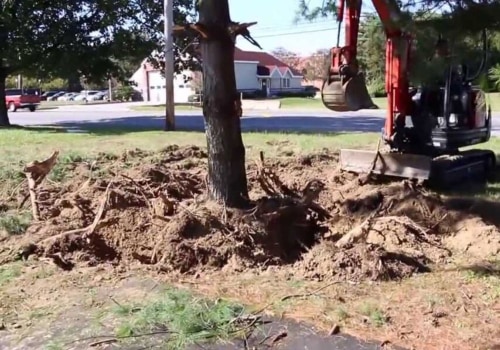
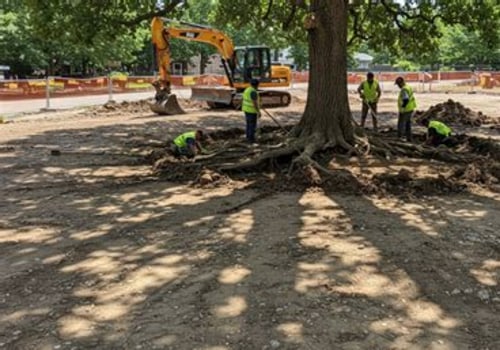
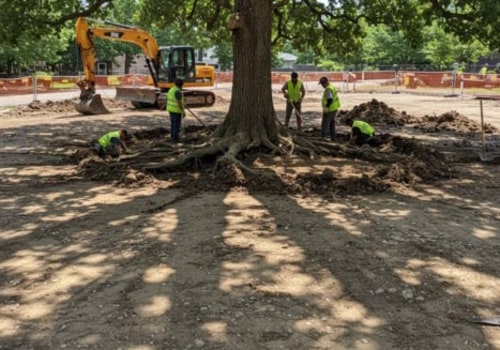
Tree excavation is a critical process often undertaken for various reasons, including landscaping, construction, or the removal of hazardous trees. While it may seem straightforward, tree excavation involves a series of complex steps that can pose significant challenges and risks. Understanding these potential dangers is essential for homeowners and contractors alike, as improper handling can lead to serious consequences. One of the primary concerns associated with tree excavation is the risk of damaging surrounding structures and ecosystems. Trees often have extensive root systems that can intertwine with utility lines, sidewalks, and even the foundations of nearby buildings.
When excavating, there is a possibility of inadvertently severing these roots, which can lead to structural instability or costly repairs. Additionally, the disturbance of soil and vegetation can disrupt local wildlife habitats, leading to ecological imbalances. Moreover, the physical dangers involved in tree removal cannot be overlooked. Heavy machinery is typically required for excavation, which increases the risk of accidents on-site. Workers may face hazards such as falling branches, equipment malfunctions, or slips and falls in uneven terrain.
Therefore, it is crucial to approach tree excavation with a comprehensive understanding of its risks and to implement safety measures to mitigate them. In summary, while tree excavation can be beneficial for various projects, it carries inherent risks that must be carefully considered. By recognizing these dangers early on, individuals can make informed decisions and take necessary precautions to ensure a safe and effective excavation process.
What is Tree Excavation?
Tree excavation refers to the process of removing a tree from its location, including the roots and surrounding soil. This procedure is often necessary for various reasons, such as construction projects, landscaping changes, or when a tree poses a safety hazard. Understanding the definition and process of tree excavation is essential for homeowners and property managers alike.The tree removal process typically involves several key steps:- Assessment: Before any excavation begins, a thorough assessment of the tree's health and location is conducted.
This includes evaluating the tree's size, species, and proximity to structures or utilities.
- Planning: A detailed plan is created to ensure that the excavation is performed safely and efficiently. This may involve obtaining necessary permits and notifying utility companies.
- Preparation: The area around the tree is cleared of debris and obstacles. Safety measures are put in place to protect workers and nearby structures.
- Excavation: Using specialized equipment, the tree is carefully cut down, and the roots are excavated from the ground. This step requires skill to minimize damage to the surrounding landscape.
- Cleanup: After the tree has been removed, the site is cleaned up.
This may include grinding down the stump and filling in any holes left by the excavation.
Common Risks Associated with Tree Excavation
Tree excavation, while often necessary for landscaping or construction projects, comes with a variety of risks that should not be overlooked. Understanding these potential dangers can help homeowners and contractors make informed decisions.- Physical Risks: One of the most immediate dangers of tree excavation is the risk of injury. Heavy machinery used in the process can lead to accidents if not operated correctly.
Workers may also face hazards from falling branches or debris during the excavation.
- Environmental Risks: Excavating trees can disrupt local ecosystems. Removing a tree can lead to soil erosion, loss of habitat for wildlife, and changes in local water drainage patterns. These environmental impacts can have long-term consequences on the surrounding area.
- Financial Risks: The costs associated with tree excavation can escalate quickly. Unexpected complications, such as discovering underground utilities or encountering difficult soil conditions, can lead to increased labor and equipment costs.
Additionally, improper excavation may result in damage to nearby structures, leading to further financial liabilities.
Physical Risks to Workers and Bystanders
Tree excavation, while essential for various landscaping and construction projects, poses significant physical risks to both workers and bystanders.Understanding these risks is crucial for ensuring safety on-site.
Worker Safety During Tree Removal
- Falling Branches: One of the most immediate dangers during tree excavation is the risk of falling branches or limbs. Workers must be vigilant and use protective gear to mitigate injuries from unexpected falls.
- Equipment Hazards: Heavy machinery, such as excavators and stump grinders, can lead to serious accidents if not operated correctly. Workers should be trained in the safe use of this equipment to prevent injuries.
- Slips and Falls: The excavation site can become muddy or uneven, increasing the likelihood of slips and falls. Proper footwear and maintaining a clean work area are essential for minimizing this risk.
Accidents During Tree Excavation
- Electrical Hazards: Trees often grow near power lines, creating a risk of electrocution during excavation.
Workers should always check for nearby electrical sources before beginning any work.
- Injury from Tools: Hand tools used in tree excavation can cause cuts or puncture wounds if not handled properly. Regular maintenance and proper training on tool usage are vital for worker safety.
- Bystander Safety: It’s not just workers who are at risk; bystanders can also be injured by falling debris or equipment mishaps. Establishing a safety perimeter around the excavation site can help protect those not directly involved in the work.
Environmental Risks of Tree Excavation
Tree excavation can have significant environmental impacts that extend beyond the immediate area of the project.One of the most pressing concerns is soil erosion, which can occur when trees are removed. Trees play a crucial role in stabilizing soil with their root systems, and their removal can lead to increased runoff and loss of topsoil. This not only affects the land where the tree once stood but can also contribute to sedimentation in nearby waterways, harming aquatic ecosystems.Moreover, the excavation process often disrupts the natural habitat of various species.
Ecological risks
associated with tree removal include the displacement of wildlife and the destruction of plant communities that rely on trees for shelter and food.For instance, many birds and small mammals depend on trees for nesting sites, and their removal can lead to a decline in local populations.Additionally, tree excavation can alter local microclimates. Trees provide shade and help regulate temperature and humidity levels in their surroundings. Without them, areas may experience increased temperatures and reduced moisture retention, which can further stress local flora and fauna.To mitigate these risks, it is essential to consider alternatives to tree excavation whenever possible. For example, selective pruning or using advanced techniques like root pruning can help preserve trees while still allowing for necessary construction or landscaping work.In conclusion, understanding the environmental risks associated with tree excavation is vital for making informed decisions that protect our ecosystems.
By recognizing the potential consequences, we can take steps to minimize harm and promote sustainable practices in land management.
Financial Risks Involved in Tree Excavation Projects
When considering tree excavation, it is crucial to understand the potential financial risks involved. These risks can significantly impact your budget and overall project feasibility.One of the primary costs associated with tree removal is the expense of hiring professional services. While DIY options may seem appealing, they often lead to unforeseen costs, such as:- Equipment Rental: Renting chainsaws, stump grinders, and other machinery can add up quickly.
- Labor Costs: If you hire a crew, labor costs can vary widely based on the complexity of the job and local rates.
- Disposal Fees: Removing tree debris may incur additional fees, especially if you need to transport it to a landfill.
- Property Damage: Roots from nearby trees may be disturbed, affecting the stability of structures or landscaping.
- Utility Line Disruptions: Excavation near utility lines can result in costly repairs and service interruptions.
For instance, if a tree is removed without proper planning for replacement or landscaping, it could lead to increased costs in the future as you work to restore your yard's aesthetic appeal.In summary, understanding the costs of tree removal and the associated financial risks is essential for effective budgeting in any tree excavation project. By anticipating these expenses and potential pitfalls, homeowners can make informed decisions that protect their financial interests while ensuring a successful outcome.
Legal Considerations and Liabilities in Tree Excavation
When considering tree excavation, it is essential to understand the legal risks and liabilities that may arise. Engaging in tree removal or excavation without proper knowledge of local laws can lead to significant consequences.Permits for Tree Excavation
- Many municipalities require a permit before any tree excavation can take place. This is particularly true for trees that are protected under local ordinances.
- Failure to obtain the necessary permits can result in fines, legal action, or even the requirement to replant trees.
- It is advisable to check with local government offices or consult with a professional arborist to ensure compliance with all regulations.
Liabilities in Tree Removal
- If a tree excavation causes damage to neighboring properties, the excavator may be held liable for repairs.
This includes damage to structures, landscaping, or utility lines.
- Injuries sustained by workers or bystanders during the excavation process can also lead to liability claims. Proper safety measures and insurance coverage are crucial.
- Additionally, if the tree is found to be on protected land or if it is an endangered species, the excavator could face severe penalties.
Legal Considerations
Understanding the legal landscape surrounding tree excavation is vital for anyone considering this task. Consulting with legal professionals who specialize in environmental law can provide clarity on potential liabilities and help navigate the permitting process effectively.In summary, being aware of the legal considerations and obtaining the necessary permits not only protects you from potential fines but also ensures that you are acting responsibly within your community.
Best Practices to Mitigate Risks in Tree Excavation
When it comes to tree excavation, implementing best practices is crucial to minimize potential risks. Here are some actionable tips to ensure a safer and more efficient excavation process:- Conduct a Thorough Site Assessment: Before beginning any excavation, assess the site for potential hazards.
Look for nearby structures, underground utilities, and the overall health of the tree. This will help in planning the excavation process effectively.
- Utilize Proper Equipment: Using the right tools is essential for safe tree removal. Ensure that all equipment is well-maintained and suitable for the size and type of tree being excavated. This includes chainsaws, stump grinders, and safety gear.
- Engage Professional Arborists: Hiring certified arborists can significantly reduce risks associated with tree excavation.
They possess the expertise to evaluate tree health and make informed decisions about removal techniques.
- Implement Safety Protocols: Establish clear safety protocols for all personnel involved in the excavation process. This includes wearing appropriate personal protective equipment (PPE) such as helmets, gloves, and eye protection.
- Plan for Environmental Impact: Consider the ecological implications of tree excavation. Implement measures to protect surrounding vegetation and wildlife habitats. This may involve creating buffer zones or scheduling work during off-peak seasons for local wildlife.
Not only does this ensure a safer working environment, but it also promotes responsible tree management and conservation efforts.
FAQs About Tree Excavation Risks
When considering tree excavation, many homeowners have questions about the associated risks. Here are some frequently asked questions that can help clarify these concerns:What are the main risks of tree excavation?
The primary risks of tree excavation include:- Property Damage: Excavation can lead to unintended damage to nearby structures, fences, or landscaping.
- Soil Erosion: Removing a tree can destabilize the soil, leading to erosion and potential landslides, especially on slopes.
- Utility Line Interference: Roots may be intertwined with utility lines, and excavation can disrupt services or cause outages.
- Injury Risks: The process involves heavy machinery and tools, posing safety hazards to workers and bystanders.
How can I minimize the risks associated with tree excavation?
To reduce the risks, consider the following precautions:- Hire Professionals: Always engage certified arborists or tree removal experts who understand the complexities of tree excavation.
- Conduct a Site Assessment: A thorough evaluation of the site can identify potential hazards, including nearby structures and utility lines.
- Obtain Necessary Permits: Ensure compliance with local regulations to avoid legal issues and fines.
- Plan for Erosion Control: Implement measures such as silt fences or retaining walls to manage soil stability post-excavation.
Are there any long-term effects of tree excavation?
Yes, there can be long-term effects such as:- Changes in Landscape: The removal of a tree alters the ecosystem, affecting local wildlife and plant life.
- Aesthetic Impact: The visual appeal of your property may change significantly after a tree is removed.
- Pest Infestation: Dead roots or stumps left behind can attract pests, leading to further issues in your yard.
Conclusion: Weighing the Risks of Tree Excavation
In conclusion, understanding the risks of tree excavation is crucial for anyone considering this process. While tree excavation can be necessary for various reasons, such as construction or landscaping, it is essential to weigh the potential consequences carefully. Throughout this article, we have explored several key risks associated with tree excavation:- Soil Erosion: Removing trees can destabilize the soil, leading to erosion and potential damage to surrounding areas.
- Impact on Local Ecosystem: Trees play a vital role in their ecosystems. Excavating them can disrupt habitats and affect local wildlife.
- Root Damage: Excavation can inadvertently harm the roots of nearby trees, leading to their decline or death.
- Water Drainage Issues: Trees help manage water drainage.
Their removal can lead to flooding or water pooling in unwanted areas.
- Legal and Regulatory Concerns: Many regions have laws protecting certain trees. Failing to comply with these regulations can result in fines or legal action.
By understanding the implications of tree excavation, you can take steps to minimize risks and ensure a more sustainable approach to land management.