Tree excavation is a critical process in both landscaping and construction, involving the careful removal of trees and their root systems to prepare a site for new development or to enhance existing landscapes. Understanding tree excavation is essential for homeowners, landscapers, and builders alike, as it not only impacts the aesthetic appeal of a property but also its structural integrity and environmental health. The tree excavation process typically begins with an assessment of the tree's health and location, determining whether it poses any risks or if it can be preserved. This evaluation is crucial, as it informs the methods used for excavation and ensures that surrounding vegetation and soil are minimally disturbed. Proper planning and execution of tree excavation can prevent damage to nearby structures and promote a healthier ecosystem by allowing for better light and air circulation. Moreover, the importance of tree excavation extends beyond mere removal; it plays a vital role in site preparation for construction projects, landscaping renovations, and even urban development.
By understanding the nuances of this process, stakeholders can make informed decisions that align with their goals while respecting the natural environment. As we delve deeper into the steps involved in tree excavation, it becomes clear that this practice is not just about cutting down trees but rather about managing landscapes responsibly and sustainably.
Assessing the Site for Tree Excavation
Before proceeding with tree excavation, a thorough site assessment is crucial to ensure the safety and effectiveness of the operation. This evaluation involves several key factors that can significantly influence the outcome of the excavation process.- Soil Type: Understanding the type of soil in which the tree is rooted is essential. Different soil types, such as clay, sandy, or loamy soils, can affect the stability of the tree and the ease of excavation.
For instance, clay soils may retain more moisture, making it harder to remove roots.
- Tree Health: Assessing the health of the tree is vital. A diseased or dying tree may have compromised root systems that could complicate excavation. Conversely, a healthy tree may require more careful handling to avoid damage to surrounding areas.
- Surrounding Structures: Evaluate any nearby structures, such as buildings, fences, or utility lines. The proximity of these structures can dictate how and where excavation should occur to prevent damage during the process.
- Environmental Considerations: Consider any local wildlife or plants that may be affected by the excavation.
Some trees may provide habitat for birds or other animals, and their removal could disrupt local ecosystems.
Planning the Tree Excavation Process
Planning a tree excavation project is crucial for ensuring a successful and safe operation. The first step in this process is to assess the site where the tree is located.This includes evaluating the tree's size, species, and proximity to structures or utilities. Understanding these factors will help determine the best approach for excavation.
Tools Needed for Tree Excavation
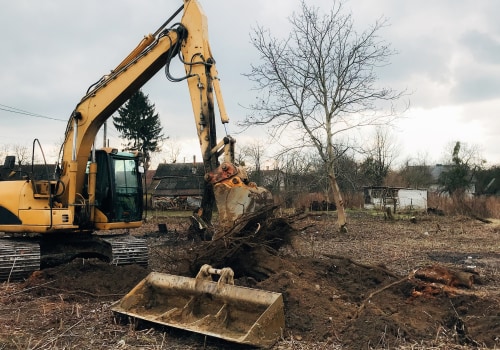
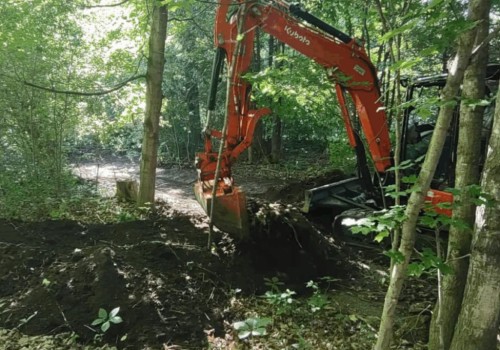
- Excavators: Depending on the size of the tree, a mini-excavator or a larger machine may be necessary to remove the root ball effectively.
- Chainsaws: Essential for cutting down the tree and trimming branches before excavation.
- Shovels and Spades: Useful for digging around the roots and loosening soil.
- Stump Grinders: If you need to remove the stump after excavation, this tool will help grind it down below ground level.
- Safety Gear: Hard hats, gloves, goggles, and steel-toed boots are essential to protect workers during the excavation process.
Safety Measures in Tree Excavation
Safety should always be a top priority during tree excavation. Before starting, ensure that all workers are briefed on safety protocols. Here are some key measures to consider:
- Identify Hazards: Look for nearby power lines, structures, or other potential hazards that could pose risks during excavation.
- Use Proper Equipment: Ensure that all tools and machinery are in good working condition and suitable for the job.
- Establish a Safe Zone: Create a designated area where bystanders are kept at a safe distance from the excavation site.
- Emergency Preparedness: Have a first aid kit on-site and ensure that workers know how to respond in case of an accident.
Consider factors such as weather conditions, availability of equipment, and any necessary permits. By planning ahead, you can ensure that your tree excavation proceeds smoothly and efficiently.
Preparing the Area for Excavation
Preparing the area for tree excavation is a crucial step that ensures the process is efficient and safe. Proper preparation minimizes risks and facilitates a smoother operation. Here are the essential steps to follow:- Clear Debris: Begin by removing any debris, such as fallen branches, rocks, or other obstacles that may hinder the excavation process.
A clean site allows for better visibility and access to the trees that need to be removed.
- Mark Trees for Removal: Clearly mark the trees designated for removal using bright paint or flags. This helps all team members identify which trees are to be excavated and prevents any confusion during the operation.
- Assess Surrounding Area: Evaluate the surrounding landscape for potential hazards, such as power lines, buildings, or other structures. This assessment is vital to ensure that the excavation does not inadvertently cause damage or pose safety risks.
- Establish a Safe Zone: Create a safe zone around the excavation area where bystanders and pets are kept at a distance. This zone should be clearly marked and communicated to everyone involved in the project.
- Ensure Accessibility: Make sure that heavy machinery can easily access the site.
This may involve clearing pathways or creating temporary access routes if necessary.
Executing the Tree Excavation
Executing a tree excavation requires careful planning and execution to ensure safety and efficiency. Here are the essential steps involved in the process:- Assessment of the Site: Before beginning the excavation, assess the area surrounding the tree. Identify any obstacles such as nearby structures, power lines, or other trees that may complicate the removal process.
- Gathering Tools and Equipment: Equip yourself with the necessary tools for tree removal.
Common tools include a chainsaw, shovel, axe, and a stump grinder. Safety gear such as gloves, goggles, and hard hats are also crucial.
- Preparing the Area: Clear the area around the tree of any debris or obstacles. This will provide a safe working environment and allow for better access to the tree.
- Cutting the Tree: Begin by cutting off any lower branches to create a clear path for the trunk. Use a chainsaw to cut through the trunk at a height that allows for safe handling.
Make sure to follow proper cutting techniques to prevent kickback.
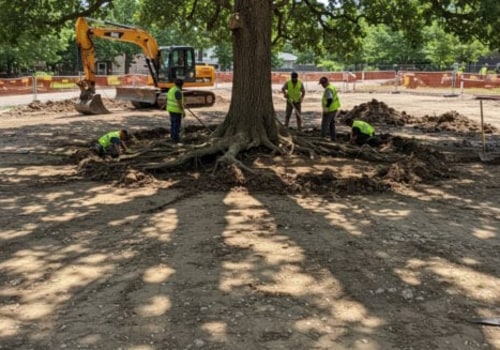
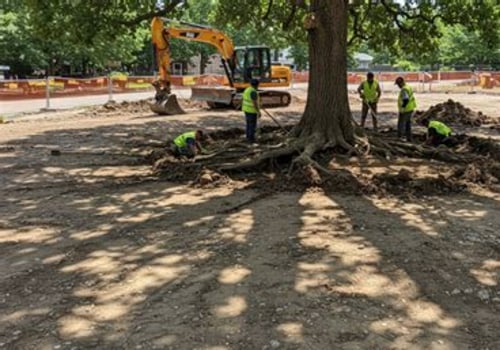
- Excavating the Root System: Once the tree is down, it’s time to excavate the roots. Use a shovel to dig around the base of the tree, exposing as much of the root system as possible. This step is crucial for preventing regrowth.
- Removing the Stump: After exposing the roots, you can either cut them with an axe or use a stump grinder for complete removal. If using a grinder, follow manufacturer instructions for safe operation.
- Disposing of Debris: Finally, dispose of all tree debris responsibly.
Check local regulations regarding yard waste disposal or consider recycling options.
Post-Excavation Cleanup and Restoration
After the tree excavation process is complete, it’s crucial to focus on post-excavation cleanup and site restoration. This phase not only enhances the aesthetic appeal of the area but also prepares the site for future use.Cleaning Up Debris
The first step in the cleanup process involves removing any leftover debris from the excavation. This includes:- Tree Stumps: If any stumps remain, they should be ground down or removed entirely to prevent hazards and facilitate further landscaping.
- Roots: Any exposed roots should be carefully extracted to avoid interference with future planting or construction.
- Branches and Leaves: Gather and dispose of any branches, leaves, or other organic material that may have accumulated during the excavation.
Disposing of Tree Debris
Proper disposal of tree debris is essential for maintaining environmental standards. Here are some options:- Chipping: Consider using a wood chipper to turn branches into mulch, which can be reused in landscaping projects.
- Composting: Organic materials can be composted to enrich soil, provided they are free from diseases and pests.
- Hauling Away: For larger debris, hiring a professional service to haul away the waste may be necessary.
Restoring the Site
Once the area is cleared, restoring the site is vital for its future usability.Steps include:
- Leveling the Ground: Fill in any holes left from the excavation and level the ground to create a smooth surface.
- Sod Installation: If applicable, lay sod or plant grass seed to promote regrowth and prevent erosion.
- Landscaping: Consider replanting trees or shrubs that are suitable for the area, enhancing both beauty and ecological balance.
Common FAQs About Tree Excavation
When it comes to tree excavation, many homeowners have questions regarding the process, safety, and potential impacts on their property. Here are some of the most common FAQs:- What is tree excavation?
Tree excavation involves the removal of a tree along with its root system from the ground. This process is often necessary when a tree poses a risk to structures, is diseased, or needs to be relocated. - How long does the tree excavation process take?
The duration of tree excavation can vary based on the size of the tree and the complexity of the job. Typically, it can take anywhere from a few hours to a full day. - Is tree excavation safe?
Yes, when performed by professionals, tree excavation is safe.Experts use specialized equipment and techniques to minimize risks to surrounding structures and ensure safety for workers.
- What happens to the roots after excavation?
After a tree is excavated, the roots may be left in the ground or removed depending on the plan for the area. Leaving roots can lead to future growth unless properly treated. - Will tree excavation damage my yard?
While some disturbance is inevitable, professional excavators take measures to minimize damage. They often restore the area post-excavation by filling in holes and reseeding grass. - Can I excavate a tree myself?
While DIY projects can be tempting, it’s advisable to hire professionals for tree excavation. They have the expertise and equipment necessary to handle the job safely and effectively.
Conclusion: Key Takeaways on Tree Excavation Steps
In conclusion, understanding the steps involved in tree excavation is crucial for ensuring a safe and effective process.Each phase plays a significant role in minimizing damage to the surrounding environment and maximizing the success of the excavation.
Key Takeaways:
- Assessment: Before beginning any excavation, it is essential to assess the site thoroughly. This includes evaluating the tree's health, size, and proximity to structures or utilities.
- Planning: A well-thought-out plan should be developed, detailing the methods and equipment needed for the excavation. This step helps in anticipating potential challenges.
- Preparation: Proper preparation involves clearing the area around the tree and marking any underground utilities. This step is vital to avoid accidents during excavation.
- Excavation Techniques: Employing the right techniques, such as using a backhoe or hand tools, ensures that the tree is removed with minimal disruption to the surrounding soil and vegetation.
- Post-Excavation Care: After removal, it’s important to address any remaining roots and fill in the hole properly.
This helps prevent future issues like soil erosion or pest infestations.