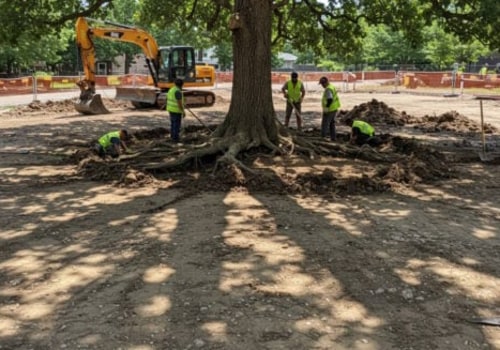
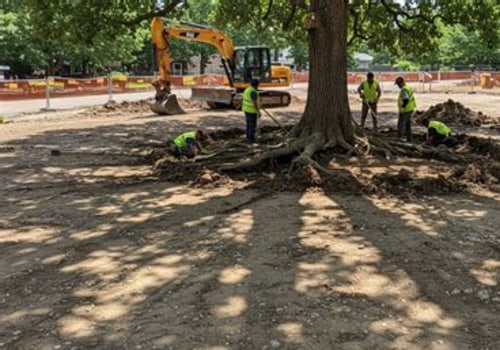
Tree excavation is a critical process in both landscaping and construction, often serving as the first step in creating a new outdoor space or preparing a site for building. This procedure involves the careful removal of trees, including their roots, to ensure that the area is clear and ready for subsequent work. Understanding the tree excavation process is essential for homeowners and contractors alike, as it can significantly impact project timelines and costs. When considering tree removal time, several factors come into play, including the size and type of the tree, the condition of the surrounding soil, and the equipment used for excavation. Larger trees with extensive root systems may require more time and specialized machinery to remove safely.
Additionally, local regulations and environmental considerations can influence how quickly a tree can be excavated. As we delve deeper into the specifics of tree excavation, it becomes clear that this process is not just about removing a tree; it’s about ensuring that the site is prepared for future development while minimizing damage to the surrounding landscape. By understanding the intricacies of the excavation process, property owners can make informed decisions that align with their project goals and timelines.
Factors Influencing Tree Excavation Time
When considering tree excavation, several key factors can significantly influence the time required to complete the process. Understanding these elements can help homeowners and contractors better plan their projects.Tree Size
The size of the tree is one of the most critical factors affecting excavation time. Larger trees typically have more extensive root systems, which can complicate the removal process.For instance, a small sapling may take only a few hours to excavate, while a mature oak or maple could require an entire day or more. The diameter of the trunk and the height of the tree also play a role in determining how long the excavation will take.
Soil Type
The type of soil surrounding the tree can also impact excavation duration.Clay soils
, for example, are denser and more challenging to work with compared to sandy or loamy soils. Excavating in clay may require additional time and effort, as it often necessitates specialized equipment to break up the compacted earth.Conversely, sandy soils allow for easier digging, potentially reducing excavation time.
Equipment Used
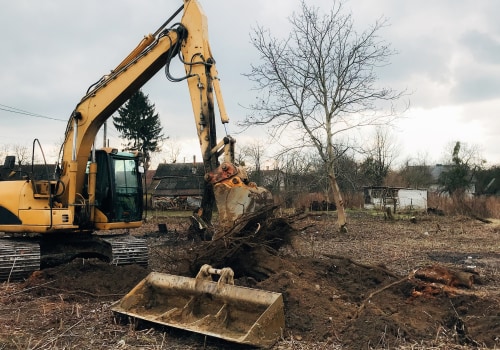
The equipment utilized during tree excavation can greatly affect efficiency and speed. Heavy machinery such as excavators or backhoes can expedite the process significantly compared to manual tools like shovels and pickaxes. However, the choice of equipment may also depend on accessibility; if the site is cramped or has limited access, smaller tools might be necessary, which could prolong the excavation. In summary, when planning for tree excavation, it is essential to consider these factors—tree size, soil type, and equipment used—as they collectively determine how long the project will take. By assessing these elements beforehand, you can set realistic expectations and ensure a smoother excavation process.Typical Duration for Different Tree Sizes
When it comes to tree excavation, the size of the tree plays a significant role in determining how long the process will take.Below, we break down the expected timeframes for excavating small, medium, and large trees.
Small Tree Excavation Time
Excavating a small tree, typically defined as one with a trunk diameter of less than 6 inches, is generally the quickest process. On average, this can take anywhere from 30 minutes to 2 hours. Factors such as soil type and root depth can influence this timeframe, but small trees are often easier to remove due to their less extensive root systems.Medium Tree Excavation Time
For medium-sized trees, which usually have a trunk diameter between 6 and 12 inches, the excavation process can take longer. Expect this to take approximately 2 to 4 hours. The increased size means more substantial roots that need to be carefully excavated to avoid damaging surrounding areas. Additionally, if the tree is located near structures or other plants, extra precautions may extend the time required.Large Tree Excavation Time
Large trees, defined as those with a trunk diameter greater than 12 inches, require significantly more time and effort for excavation. The process can take anywhere from 4 to 8 hours, depending on various factors such as root complexity and accessibility. In some cases, professional equipment may be necessary to safely remove these trees without causing damage to nearby properties. In summary, understanding the size of the tree is crucial for estimating the duration of tree excavation.Always consult with professionals who can provide a more accurate assessment based on specific conditions and requirements.
The Excavation Process: Step-by-Step
Understanding the tree excavation process is crucial for homeowners and property managers alike. The timeline for tree removal can vary significantly based on several factors, including the size of the tree, its location, and the complexity of the excavation site. Below is a detailed breakdown of the typical steps involved in the tree excavation process.- Assessment and Planning: Before any physical work begins, a thorough assessment of the tree and its surroundings is conducted. This includes evaluating the tree's health, size, and proximity to structures or utilities.
This phase usually takes about 1-2 days.
- Permitting: Depending on local regulations, you may need to obtain permits for tree removal. This can add anywhere from a few days to several weeks to your timeline.
- Preparation: Once permits are secured, the area around the tree is prepared. This involves clearing debris and ensuring that there is enough space for equipment. Preparation typically takes 1 day.
- Tree Removal: The actual removal of the tree can take anywhere from a few hours to a full day, depending on its size and condition.
For larger trees, this may involve cutting it down in sections to ensure safety.
- Stump Excavation: After the tree is removed, the stump must be excavated. This process can take an additional 1-3 hours if using machinery or longer if done manually.
- Site Cleanup: Finally, all debris must be cleared from the site. This includes branches, leaves, and the stump remnants. Cleanup usually takes about 1 day.
Understanding these steps helps set realistic expectations for how long your tree removal project will take.
Common Challenges in Tree Excavation and Their Impact on Time
Tree excavation can be a straightforward process, but several common challenges can complicate the timeline significantly. Understanding these obstacles is crucial for anyone planning a tree removal project. One of the most significant challenges in tree excavation is the presence of underground utilities. Before any excavation begins, it is essential to locate and mark these utilities, which may include water lines, gas pipes, and electrical cables. Failing to do so can lead to serious accidents and costly repairs, resulting in unexpected delays. Another factor that can impact the timeline is adverse weather conditions.Heavy rain, snow, or extreme temperatures can hinder excavation efforts. For instance, wet soil can become unstable, making it difficult for heavy machinery to operate safely. In such cases, contractors may need to postpone work until conditions improve, extending the overall duration of the project. Additionally, the size and type of the tree being excavated play a role in determining how long the process will take. Larger trees with extensive root systems require more time and effort to remove.
The complexity of the root structure can lead to further complications, especially if roots are intertwined with nearby plants or structures. Lastly, unexpected delays can arise from various sources, such as discovering pests or diseases within the tree or surrounding soil. These issues may necessitate additional steps for safe removal and disposal, further prolonging the excavation process. In summary, while tree excavation timelines can vary widely based on several factors, being aware of these common challenges can help homeowners and contractors better prepare for potential delays and ensure a smoother excavation experience.
How to Prepare for Tree Excavation to Minimize Time
Preparing for tree excavation is crucial to ensure the process is efficient and minimizes delays. Here are some practical tips to help you get ready:- Assess the Site: Before any excavation begins, evaluate the area around the tree. Look for obstacles such as nearby structures, utility lines, or other trees that could complicate the removal process.
- Check Local Regulations: Familiarize yourself with local laws regarding tree removal.
Some areas require permits for tree excavation, especially if the tree is of significant size or species.
- Gather Necessary Tools: Ensure you have all the required tools and equipment ready before starting. This may include chainsaws, shovels, and safety gear. Having everything on hand can significantly speed up the process.
- Clear the Area: Remove any debris, furniture, or landscaping features within a safe distance from the tree. This not only provides a clear working space but also reduces the risk of damage during excavation.
- Plan for Disposal: Consider how you will dispose of the tree and its roots after excavation.
Having a plan in place can prevent delays once the tree is removed.
Frequently Asked Questions About Tree Excavation Timeframes
When considering tree excavation, many homeowners have questions about the time it takes to complete the process. Understanding these timeframes can help you plan better and set realistic expectations.How Long Does It Typically Take to Excavate a Tree?
The duration of tree excavation can vary significantly based on several factors:- Tree Size: Larger trees generally require more time to excavate than smaller ones. A small tree might take a few hours, while a large oak could take an entire day or more.
- Root System: The complexity of the root system plays a crucial role.
Trees with extensive roots may take longer to remove, as excavators need to ensure that all roots are properly dealt with to prevent future growth.
- Soil Conditions: Hard or rocky soil can slow down the excavation process. In contrast, softer soil allows for quicker removal.
- Equipment Used: The type of machinery available can also affect the timeframe. Professional services with advanced equipment can often complete the job faster than manual methods.
Common Questions About Tree Removal Time
Here are some frequently asked questions regarding the time it takes for tree excavation:- What is the average time for tree excavation?
On average, tree excavation can take anywhere from 2 to 8 hours, depending on the factors mentioned above. - Do weather conditions affect excavation time?
Yes, adverse weather conditions such as rain or snow can delay the process, as they may make the ground more difficult to work with. - Can I expedite the process?
While you can't rush nature, hiring experienced professionals and ensuring they have the right equipment can help speed up the excavation.
Conclusion: Key Takeaways on Tree Excavation Duration
In summary, understanding the duration of tree excavation is crucial for effective project planning and management. The time it takes to excavate a tree can vary significantly based on several factors, including the size of the tree, the type of soil, and the equipment used. Here are some key takeaways regarding the duration of tree excavation:- Tree Size: Larger trees typically require more time to excavate due to their extensive root systems.
Smaller trees can often be removed more quickly.
- Soil Conditions: The type of soil plays a significant role in excavation time. Rocky or compacted soils can slow down the process, while loose, sandy soils may allow for quicker removal.
- Equipment Used: The choice of equipment can greatly affect the speed of excavation. Professional tree removal services often use specialized machinery that can expedite the process compared to manual methods.
- Site Accessibility: If the excavation site is difficult to access, it may take longer to complete the job. Clear pathways and ample space for equipment can help reduce excavation time.
By understanding these factors, you can better prepare for the timeline and logistics involved in your tree excavation project.