Tree excavation is a crucial process in landscaping and property management that involves the careful removal of trees and their root systems. This practice is not merely about cutting down trees; it encompasses a range of techniques aimed at ensuring that the surrounding environment remains undisturbed while effectively managing the tree's removal. Understanding tree excavation is essential for homeowners, landscapers, and property developers alike, as it plays a significant role in enhancing the aesthetic appeal and functionality of outdoor spaces. The relevance of tree excavation extends beyond mere aesthetics. It can be a vital step in preparing land for new construction, improving soil health, or even preventing potential hazards posed by aging or diseased trees.
By excavating trees properly, property owners can mitigate risks associated with falling branches or root damage to nearby structures. Moreover, this process can facilitate better sunlight exposure and airflow for remaining plants, promoting a healthier ecosystem. In this article, we will delve into the various benefits of tree excavation, exploring how it can transform landscapes and contribute to sustainable property management. From enhancing property value to fostering biodiversity, understanding the advantages of this practice will empower you to make informed decisions about your outdoor spaces.
What is Tree Excavation?
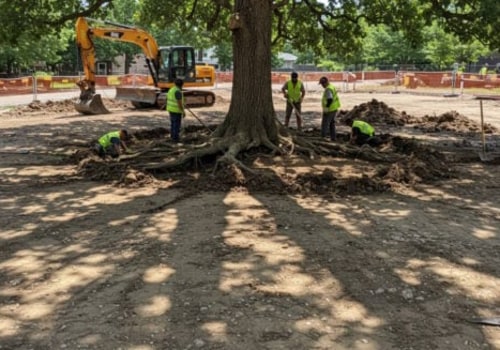
Tree excavation is a specialized process that involves the careful removal of trees from a specific area, often to make way for construction, landscaping, or other land development projects. This process is not merely about cutting down a tree; it encompasses a series of steps designed to ensure that the surrounding environment is minimally disturbed while achieving the desired outcome.The tree excavation process typically begins with an assessment of the site.Professionals evaluate the tree's health, size, and root system, as well as the surrounding landscape. This initial evaluation is crucial as it helps determine the best approach for excavation.Once the assessment is complete, the following steps are generally involved:
- Preparation: This includes marking the area around the tree and ensuring that any nearby structures or utilities are protected.
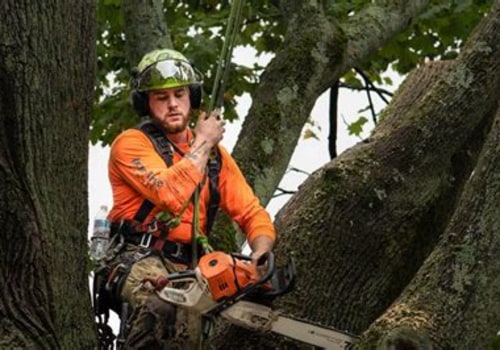
- Cutting: The tree is carefully cut down using chainsaws or other equipment. The method of cutting may vary depending on the tree's size and location.
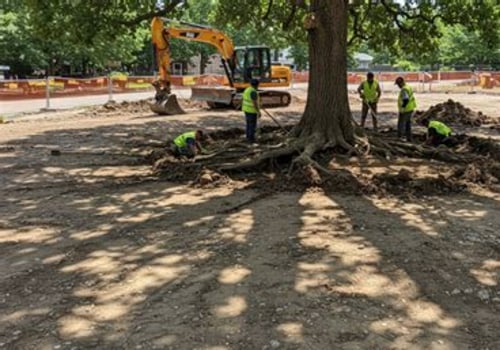
- Root Removal: After the tree is felled, the roots must be excavated. This can involve digging around the root ball to remove it intact, which is essential for replanting or disposal.
- Site Restoration: Finally, the area is restored to its original condition or prepared for new planting or construction.
This may include filling in holes and leveling the ground.
Benefits of Tree Excavation
Tree excavation offers a multitude of benefits that can significantly enhance both the aesthetic and functional aspects of your property.Understanding these advantages can help homeowners and landscapers make informed decisions about their outdoor spaces.
Improved Landscape Aesthetics
One of the most immediate benefits of tree excavation is the improvement in landscape aesthetics. Removing unwanted or overgrown trees can open up space, allowing for better light penetration and air circulation. This not only enhances the visual appeal of your yard but also creates a more inviting atmosphere for outdoor activities.Enhanced Property Value
Another significant advantage is the potential increase in property value. A well-maintained landscape with strategically placed trees and plants can attract potential buyers.By excavating trees that detract from your property’s appearance or pose risks, you can create a more appealing environment that may lead to higher offers when selling your home.
Better Soil Health
Tree excavation can also contribute to improved soil health. Overcrowded roots can compete for nutrients and water, leading to poor soil conditions. By removing certain trees, you allow the remaining plants to thrive, as they will have better access to essential resources. Additionally, excavating trees that are diseased or infested can prevent the spread of pests and diseases to healthier plants.Increased Safety
Safety is another critical factor when considering tree excavation.Trees that are dead, dying, or structurally unsound pose a risk to people and property. By excavating these trees, you reduce the likelihood of accidents caused by falling branches or entire trees during storms or high winds.In summary, the benefits of tree excavation extend beyond mere aesthetics. From enhancing property value and improving soil health to ensuring safety, tree excavation plays a vital role in maintaining a healthy and beautiful landscape.
Improving Soil Quality Through Tree Excavation
Tree excavation plays a crucial role in enhancing soil quality, particularly in areas where old or dying trees have left behind a network of roots that can hinder soil health. When trees are excavated, their extensive root systems are removed, which can lead to several significant benefits for the surrounding soil.Improved Drainage
: One of the primary advantages of tree excavation is the improvement in soil drainage.Old roots can create compacted areas in the soil, preventing water from penetrating effectively. By removing these roots, the soil structure is loosened, allowing for better water flow and reducing the risk of waterlogging. This is especially beneficial in regions prone to heavy rainfall.
Nutrient Absorption
: With the removal of old roots, the soil can more effectively absorb nutrients. Tree roots often compete with other plants for essential nutrients, and their decay can lead to nutrient imbalances.After excavation, the soil can be amended with organic matter or fertilizers, promoting a healthier ecosystem that supports new plant growth.
Soil Aeration
: Excavating trees also aids in soil aeration. The removal of dense root systems allows air to circulate more freely within the soil. This aeration is vital for microbial activity and overall soil health, as it encourages beneficial organisms that contribute to nutrient cycling and organic matter decomposition.Encouraging New Growth
: Once tree excavation is complete, the area can be replanted with new vegetation that is better suited to the current environmental conditions. This not only enhances biodiversity but also contributes to a more resilient ecosystem.New plants can establish deeper root systems that improve soil structure over time.In summary, tree excavation significantly contributes to improved soil quality by enhancing drainage, nutrient absorption, and aeration while paving the way for new plant growth. These benefits collectively foster a healthier environment for both existing and future flora.
Enhancing Landscape Design with Tree Excavation
Tree excavation plays a crucial role in enhancing landscape design by providing the opportunity to create more functional and aesthetically pleasing outdoor spaces. When trees are removed or relocated, it opens up possibilities for new plantings and design elements that can transform a yard or garden.One of the primary benefits of tree excavation is the ability to plan landscape layouts more effectively. By removing unwanted or poorly placed trees, homeowners and landscape designers can:- Create open spaces: Removing trees allows for larger areas that can be utilized for various purposes, such as patios, gardens, or recreational spaces.
- Improve sunlight access: Excavating trees that block sunlight can enhance the growth of other plants and flowers, leading to a healthier and more vibrant landscape.
- Enhance visual appeal: A well-planned landscape design can incorporate new features like water elements, pathways, or decorative structures that are more visible and accessible when trees are strategically removed.
For instance, replacing a large tree with smaller shrubs or flowering plants can create a more inviting atmosphere while reducing maintenance needs.In addition to improving the overall design, tree excavation also allows for better landscape functionality. For example, creating designated areas for outdoor activities such as dining or entertaining becomes easier when there are fewer obstructions. This not only enhances usability but also increases property value by making the outdoor space more appealing to potential buyers.In conclusion, tree excavation is an essential step in achieving a well-designed landscape. By removing or relocating trees, homeowners can unlock their property's full potential, leading to a more beautiful and functional outdoor environment.
Tree Excavation vs.
Tree Removal: Understanding the DifferenceWhen it comes to managing trees on your property, understanding the distinction between tree excavation and tree removal is crucial. While both processes involve dealing with trees, they serve different purposes and are appropriate in different situations.
Tree Removal
typically refers to the process of cutting down a tree and disposing of its trunk and branches. This method is often employed when a tree is dead, diseased, or poses a safety hazard. The primary goal of tree removal is to eliminate the tree entirely, which can be necessary for various reasons, including:
- Safety concerns: Trees that are unstable or damaged can pose risks to nearby structures and individuals.
- Aesthetic preferences: Homeowners may choose to remove trees that obstruct views or do not fit their landscaping vision.
- Space requirements: In some cases, trees may need to be removed to make way for new construction or landscaping projects.
This process is more complex and is often necessary when:
- Root damage: If a tree's roots are causing damage to sidewalks, foundations, or underground utilities, excavation may be required to address these issues.
- Replanting: When preparing a site for new landscaping or planting new trees, excavating the old tree and its roots ensures that there is no competition for nutrients and space.
- Land grading: Excavation may be needed when leveling land for construction or other purposes.
Environmental Considerations in Tree Excavation
Tree excavation is a critical process that can significantly impact the environment. Understanding the environmental impact of tree excavation is essential for ensuring that this practice is conducted responsibly and sustainably.One of the primary concerns associated with tree excavation is the disruption of local ecosystems. Trees play a vital role in maintaining biodiversity, providing habitat for various species, and contributing to soil health.When trees are removed, it can lead to soil erosion, loss of wildlife habitat, and changes in local water cycles. Therefore, it is crucial to adopt sustainable practices in tree excavation to mitigate these effects.
Implementing Sustainable Practices
- Site Assessment: Before any excavation begins, conducting a thorough site assessment can help identify the ecological value of the area. This includes evaluating the presence of endangered species, soil quality, and water resources.
- Selective Excavation: Instead of clear-cutting an area, selective excavation allows for the removal of specific trees while preserving others. This method helps maintain the integrity of the ecosystem.
- Replanting and Restoration: After excavation, replanting native species can help restore the area and promote biodiversity.
This practice not only compensates for the trees removed but also supports local wildlife.
FAQs About Tree Excavation
When considering tree excavation, many people have questions about the process, its implications, and safety measures. Here are some frequently asked questions that can help clarify common concerns.What is tree excavation?
Tree excavation refers to the process of removing a tree from its location, including the roots and surrounding soil.This is often necessary for construction projects, landscaping changes, or when a tree poses a risk to property or safety.
Why would I need to excavate a tree?
- Safety concerns: Trees that are dead, diseased, or damaged can pose hazards.
- Construction projects: Excavation may be required to clear space for new buildings or infrastructure.
- Landscaping: To create a more aesthetically pleasing environment or to make room for new plants.
Is tree excavation safe?
Yes, when performed by professionals, tree excavation is generally safe. Experts use specialized equipment and techniques to minimize risks to surrounding structures and ensure the safety of workers. It’s crucial to hire certified arborists or tree removal services that follow industry standards.What happens to the roots after excavation?
The roots of the tree are typically removed during the excavation process. However, in some cases, it may be necessary to leave some roots in place if they are intertwined with other plants or structures.This decision should be made by a professional who can assess the situation.
Can I plant another tree in the same spot after excavation?
Yes, you can plant another tree in the same location after tree excavation, but it’s important to wait until the soil has settled and any remaining roots have decomposed. Consulting with an arborist can provide guidance on suitable species and timing for replanting.If you have more questions about tree excavation, consider reaching out to local experts who can provide tailored advice based on your specific situation.Conclusion: The Value of Tree Excavation in Landscaping
In conclusion, tree excavation plays a pivotal role in enhancing the overall aesthetics and functionality of landscaping projects. By understanding the various benefits associated with this practice, homeowners and landscapers can make informed decisions that lead to healthier outdoor spaces. One of the primary advantages of tree excavation is the ability to remove unwanted or diseased trees that may pose risks to surrounding structures and landscapes. This not only improves safety but also allows for the introduction of new plants that can thrive in a more suitable environment. Additionally, tree excavation facilitates better soil management.By removing tree roots and debris, landscapers can prepare the ground for new plantings, ensuring that they have access to essential nutrients and water. This process can significantly enhance the growth potential of new flora. Moreover, tree excavation can help in reshaping the landscape. Whether it’s creating a more open space for recreational activities or designing a garden layout that maximizes sunlight exposure, this practice allows for greater flexibility in landscaping design. Finally, investing in professional tree excavation services ensures that the job is done safely and efficiently. Experts have the necessary equipment and knowledge to handle complex excavations without damaging surrounding plants or structures. In summary, the benefits of tree excavation extend beyond mere removal; they encompass improved safety, enhanced soil quality, landscape design flexibility, and professional execution.
For anyone considering a landscaping project, understanding these advantages is crucial for achieving a thriving outdoor environment.