In urban environments, the presence of trees can significantly enhance the aesthetic appeal and ecological balance of a neighborhood. However, when it comes to tree excavation, particularly near buildings or structures, the process becomes complex and requires specialized techniques. Understanding the nuances of tree removal techniques is essential for ensuring safety and minimizing damage to surrounding infrastructure. Excavating trees close to buildings involves careful planning and execution. The roots of these trees often extend beneath foundations, sidewalks, and other structures, making it crucial to assess the potential impact of removal on the surrounding area.
This is where professional arborists and excavation experts come into play, employing methods that not only prioritize the health of the tree but also protect nearby properties. Moreover, the challenges posed by proximity to buildings necessitate a thorough understanding of soil conditions, root systems, and local regulations. Techniques such as root pruning, using specialized excavation tools, and implementing protective measures for adjacent structures are vital components of a successful tree excavation strategy. By addressing these factors, homeowners and contractors can navigate the complexities of tree removal while preserving the integrity of their properties.
Assessing the Site Before Excavation
Before embarking on tree excavation, a thorough site assessment is essential to ensure the safety and success of the operation. This process involves evaluating both the health of the tree and its proximity to nearby structures.Evaluating Tree Health
Assessing the health of the tree is a critical first step.A healthy tree is more likely to withstand the stresses of excavation, while a compromised tree may pose additional risks. Look for signs of disease, pest infestations, or structural weaknesses such as:
- Discoloration of leaves or bark
- Unusual growth patterns, such as leaning or hollow sections
- Root damage or decay visible at the base
Understanding Proximity to Structures
The next step in your site assessment is to evaluate how close the tree is to existing buildings or structures. This includes:- Measuring the distance from the tree trunk to the nearest structure.
- Identifying any underground utilities that may be affected during excavation.
- Considering potential impacts on nearby landscaping or hardscaping features.
Taking these steps not only ensures safety but also promotes better outcomes for both the tree and surrounding environment.
Techniques for Safe Tree Excavation
When it comes to tree excavation near buildings or structures, employing the right techniques is crucial to ensure safety and minimize damage. Here are some effective methods:- Root Pruning: Before excavation, it’s essential to prune the roots of the tree. This technique involves cutting the roots that extend towards the structure, which helps in reducing the tree's stability and makes it easier to remove without affecting nearby foundations.
- Soil Removal: Carefully excavating the soil around the tree’s base can help expose the root system. This method allows for a more controlled removal process, as it minimizes the risk of damaging surrounding structures.
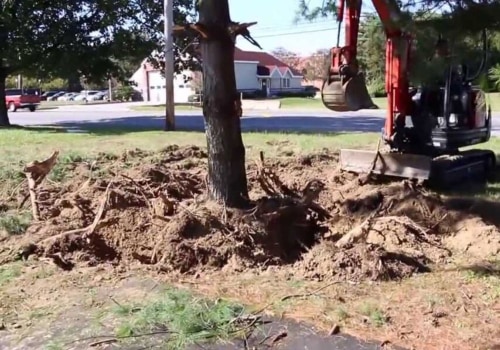
- Use of Specialized Equipment: Utilizing equipment such as mini-excavators or stump grinders can significantly enhance safety during tree excavation.
These machines are designed to operate in tight spaces and can effectively remove trees without causing harm to nearby buildings.
- Controlled Felling Techniques: If the tree is large, employing controlled felling techniques is vital. This involves planning the direction of the fall and using ropes or rigging systems to guide the tree safely away from structures.
- Consulting Professionals: In many cases, hiring a professional arborist or tree removal service is advisable. They possess the expertise and equipment necessary to perform safe removals, especially in complex situations where proximity to structures poses a risk.
Tools and Equipment for Tree Excavation
When it comes to tree excavation, having the right tools and equipment is crucial for ensuring a safe and efficient process, especially when working near buildings or structures.Below are some essential tools and machinery that can facilitate effective tree removal.
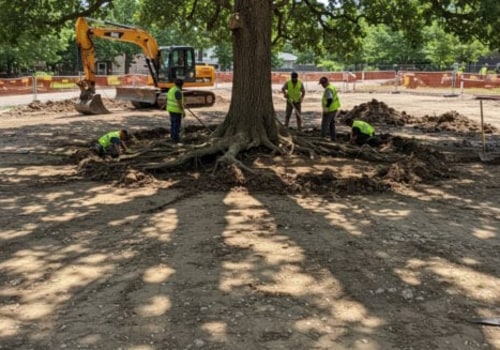
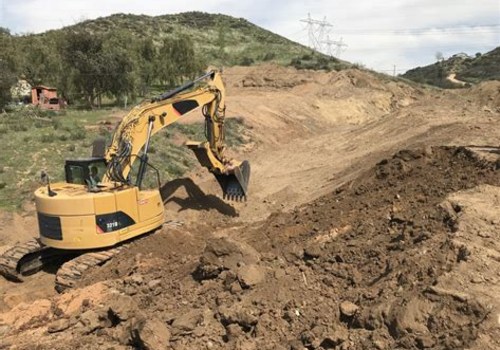
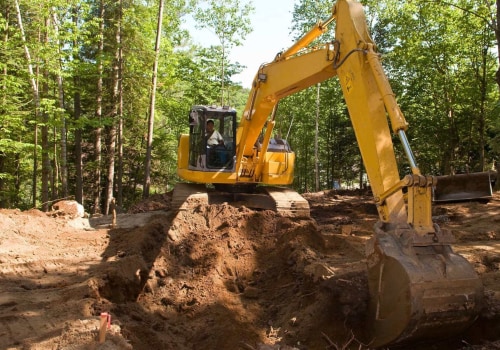
- Excavators: These heavy-duty machines are ideal for large tree removals. Equipped with a variety of attachments, such as buckets and grapples, excavators can dig out tree roots and move large sections of the tree with ease.
- Chainsaws: A staple in any tree removal operation, chainsaws are necessary for cutting down the tree trunk and branches. For precision work near structures, consider using a pole saw or a smaller chainsaw to minimize damage.
- Stump Grinders: After the tree has been removed, stump grinders are essential for grinding down the remaining stump below ground level. This prevents regrowth and allows for landscaping or construction in the area.
- Hand Tools: Tools such as shovels, picks, and pruners are invaluable for smaller jobs or for clearing away debris.
They allow for more precise work around delicate structures.
- Safety Gear: Personal protective equipment (PPE) is non-negotiable. Hard hats, gloves, eye protection, and steel-toed boots should always be worn to protect against falling debris and other hazards.
Safety Precautions During Tree Excavation
When it comes to tree excavation near buildings or structures, prioritizing safety is paramount.The excavation process can pose risks not only to the workers involved but also to the surrounding environment and nearby structures. Here are some essential safety precautions to consider:
- Conduct a Site Assessment: Before beginning any excavation work, perform a thorough assessment of the site. Identify the proximity of the tree to structures, underground utilities, and other potential hazards.
- Use Proper Equipment: Ensure that all equipment used for tree excavation is in good working condition. This includes chainsaws, excavators, and safety gear such as helmets, gloves, and eye protection.
- Establish a Safety Zone: Create a safety perimeter around the excavation site.
This zone should be clearly marked and should keep unauthorized personnel at a safe distance from the work area.
- Protect Nearby Structures: Implement measures to protect nearby buildings during the excavation process. This may include using barriers or protective coverings to prevent damage from falling debris or vibrations caused by heavy machinery.
- Monitor Weather Conditions: Be aware of weather conditions that could affect safety during excavation. High winds or rain can increase risks, particularly when working with large trees.
- Communicate Effectively: Maintain clear communication among all team members throughout the excavation process. Use hand signals or radios to ensure everyone is aware of ongoing activities and potential hazards.
Workers should be trained in proper techniques for handling tools and equipment, as well as in emergency response procedures. Regular safety drills can help prepare the team for unexpected situations.By adhering to these safety precautions, you can significantly reduce risks associated with tree excavation, ensuring a safer environment for both workers and nearby structures.
Post-Excavation Considerations
After the tree excavation process is complete, it is crucial to focus on post-excavation considerations to ensure the health of the surrounding environment and the success of any future planting. Here are some key aspects to consider:Aftercare for Excavated Trees
If the excavated tree is to be replanted, proper aftercare is essential. This includes:- Watering: Ensure the tree receives adequate water, especially during the first few weeks after excavation.
A deep watering schedule can help establish roots in its new location.
- Mulching: Apply a layer of organic mulch around the base of the tree to retain moisture and regulate soil temperature.
- Monitoring: Keep an eye on the tree for signs of stress, such as wilting leaves or stunted growth, and address any issues promptly.
Site Restoration After Tree Removal
If a tree has been removed entirely, restoring the site is vital for preventing erosion and promoting healthy soil. Consider these steps:- Soil Assessment: Test the soil for nutrient levels and pH balance. This will help determine what amendments may be necessary.
- Filling Holes: Fill any large holes left from root removal with quality topsoil to create a level surface.
- Planting New Vegetation: Introduce grass or other plants to stabilize the soil and prevent erosion while enhancing the aesthetic appeal of the area.
Managing Soil Health Post-Excavation
The health of the soil is paramount after tree excavation. Here are some strategies to maintain and improve soil quality:- Add Organic Matter: Incorporate compost or well-rotted manure into the soil to boost nutrient content and improve structure.
- Avoid Compaction: Limit foot traffic in the area to prevent soil compaction, which can hinder root growth for future plants.
- Crop Rotation: If applicable, practice crop rotation with cover crops to enhance soil fertility and structure over time.
FAQs About Tree Excavation Near Buildings
When it comes to tree excavation near buildings, many homeowners have questions about the process, safety, and potential risks.Here are some frequently asked questions that can help clarify common concerns.
- What is tree excavation?
Tree excavation involves the careful removal of a tree and its root system from the ground, especially when it is located close to structures. This process requires specialized techniques to minimize damage to surrounding areas. - Why is tree excavation necessary near buildings?
Trees can pose risks to buildings if their roots interfere with foundations or if the tree itself is diseased or unstable. Excavation helps prevent potential damage and ensures safety. - What techniques are used for excavating trees near structures?
Professionals often use methods such as: - Root pruning: This technique involves cutting roots before excavation to reduce stress on the tree and surrounding soil.
- Directional felling: Trees may be cut in a specific direction to control their fall and avoid damage to nearby structures.
- Excavation equipment: Specialized machinery, like mini-excavators, can be used to carefully remove trees without disturbing the surrounding area.
- Are there any risks associated with tree excavation?
Yes, there are risks such as potential damage to nearby structures, underground utilities, or landscaping. Hiring a professional arborist or tree removal service can mitigate these risks significantly. - How can I prepare for tree excavation?
Before excavation, it’s essential to: - Consult with a professional to assess the situation.
- Mark any underground utilities.
- Clear the area of any obstacles that may hinder the process.
Conclusion: Key Takeaways on Tree Excavation Techniques
In conclusion, understanding the intricacies of tree excavation near buildings and structures is crucial for ensuring both safety and the health of the surrounding environment.The techniques discussed throughout this article highlight the importance of careful planning and execution.Key takeaways include:
- Assessment: Always begin with a thorough assessment of the site. This includes evaluating the tree's health, root structure, and proximity to nearby structures.
- Proper Tools: Utilize the right tools for excavation, such as hand tools for smaller trees and machinery for larger ones. This minimizes damage to surrounding areas.
- Root Pruning: Consider root pruning as a technique to reduce stress on the tree and facilitate a smoother excavation process.
- Safety Measures: Implement safety measures, including protective gear and barriers, to safeguard workers and nearby structures during the excavation process.
- Professional Help: When in doubt, consult with or hire professional arborists or excavation experts who have experience with tree removal near structures.