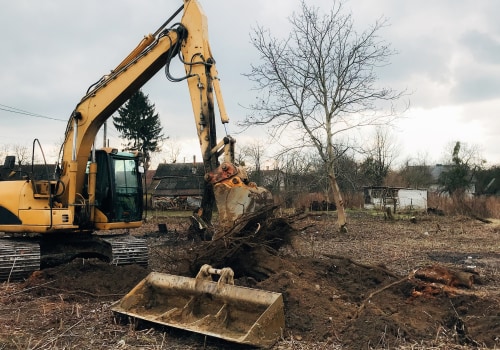
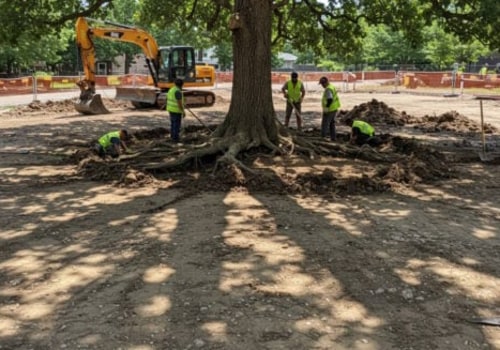
Tree excavation is a critical process in landscaping and construction, often undertaken to remove trees that are dead, diseased, or pose a risk to structures. This process not only involves the physical removal of the tree but also the careful extraction of its roots and surrounding soil. Understanding the intricacies of tree excavation is essential for homeowners and contractors alike, as it can significantly impact the surrounding environment and landscape. One of the primary challenges associated with tree excavation is the disposal of the excavated soil and debris. The soil removed during this process can be substantial, and improper disposal can lead to environmental issues such as erosion or contamination.
Additionally, the debris from the tree itself, including branches and leaves, requires careful handling to ensure that it does not contribute to waste problems. Therefore, it is crucial to consider sustainable methods for disposing of this material. Moreover, the impact of tree excavation extends beyond just the immediate area. It can affect local ecosystems, alter drainage patterns, and even influence soil health. As such, understanding how to manage the excavated materials responsibly is vital for maintaining ecological balance and promoting healthy landscapes.
In this article, we will explore various methods for disposing of excavated soil and debris from tree excavation, ensuring that both environmental integrity and aesthetic appeal are preserved.
Assessing the Volume of Excavated Soil and Debris
When planning for tree excavation, one of the critical steps is accurately assessing the volume of excavated soil and debris. This assessment not only helps in estimating disposal needs but also aids in determining the best methods for handling the waste generated.To begin with, it’s essential to understand that the volume of excavated soil can vary significantly based on several factors, including the size of the tree, the depth of the root system, and the type of soil. Here are some steps to help you estimate the volume:- Measure the Tree Diameter: Start by measuring the diameter of the tree at breast height (approximately 4.5 feet above ground). This measurement will give you a rough idea of how extensive the root system might be.
- Estimate Root Depth: Generally, tree roots extend about 1.5 to 2 times the height of the tree.
For larger trees, this can mean significant soil displacement.
- Calculate Soil Volume: Use a formula to estimate the volume of soil that will be displaced. A common method is to treat the excavated area as a cylinder:
- Volume = π × (radius²) × height
- Account for Debris: In addition to soil, consider any additional debris such as branches, leaves, and other organic matter that may be removed during excavation. This can add to your total volume significantly.
- On-Site Disposal: If space allows, consider creating a designated area for composting organic debris.
- Hauling Away: For larger volumes, hiring a waste removal service may be necessary.
- Recycling Options: Some areas offer recycling programs for green waste that can help reduce landfill contributions.
By following these steps, you can ensure that your project proceeds smoothly while adhering to environmental guidelines.
Local Regulations and Guidelines for Soil Disposal
When it comes to tree excavation, understanding the local regulations and guidelines for soil disposal is crucial. Each municipality may have specific laws governing how excavated soil and debris should be handled, ensuring that the environment is protected and public health is maintained.Before proceeding with any excavation project, it is essential to consult your local government or environmental agency. They can provide detailed information on:- Permitting Requirements: Some areas may require permits for soil disposal, especially if the volume of soil is significant or if it contains contaminants.
- Disposal Sites: Local regulations often specify approved disposal sites where excavated soil can be taken. These sites are typically designed to handle specific types of waste.
- Soil Testing: In certain cases, you may need to conduct soil testing to determine if the excavated material is hazardous.
This is particularly important if the tree was removed from an area that may have been contaminated.
- Recycling Options: Some municipalities encourage recycling of excavated soil for landscaping or fill purposes. Check if your local guidelines allow for this option, as it can be a sustainable choice.
Best Practices for Disposing of Excavated Soil
Disposing of excavated soil from a tree excavation project requires careful consideration to ensure that the process is both efficient and environmentally responsible.Here are some best practices for managing this waste effectively:
- Assess the Soil Quality: Before disposal, evaluate the quality of the excavated soil. If it is free from contaminants, it may be suitable for reuse in landscaping or other construction projects.
- Reuse On-Site: One of the most eco-friendly methods is to reuse the excavated soil on-site. This can involve filling in low areas, creating mounds for aesthetic purposes, or using it to improve existing garden beds.
- Composting: If the soil contains organic matter, consider composting it. This not only reduces waste but also enriches the soil for future planting.
- Local Regulations: Always check local regulations regarding soil disposal.
Some areas have specific guidelines on how to handle excavated materials, especially if they contain hazardous substances.
- Donation: If the soil is clean and suitable for gardening or landscaping, consider donating it to local community gardens or landscaping projects. This promotes sustainability and helps others in need.
- Professional Disposal Services: For large amounts of excavated soil, hiring a professional waste management service can be beneficial. These companies often have the resources to dispose of soil responsibly and in compliance with local laws.
Reusing Excavated Soil: Opportunities and Techniques
When it comes to tree excavation, the removal of excavated soil and debris can often lead to a significant amount of material that can be repurposed.Reusing this soil not only minimizes waste but also contributes to sustainable landscaping practices.
Opportunities for Reusing Excavated Soil
- Landscaping Projects: Excavated soil can be used to create raised garden beds, fill in low areas in your yard, or even as a base for new planting areas. This not only enhances the aesthetic appeal of your landscape but also improves soil health.
- Construction Fill: If the soil is clean and free from contaminants, it can be utilized as fill material for construction projects. This can help reduce costs associated with purchasing new fill material.
- Erosion Control: Using excavated soil to build berms or swales can help manage water runoff and prevent soil erosion on your property.
- Screening: Before reusing excavated soil, it’s essential to screen it to remove large rocks, roots, and debris. This process ensures that the soil is suitable for its intended use.
- Amending Soil: Adding organic matter such as compost or mulch can enhance the quality of excavated soil, making it more fertile and beneficial for plant growth.
- Testing for Contaminants: Conducting a soil test is crucial, especially if the excavation site was near industrial areas.
This ensures that the reused soil is safe for landscaping or gardening.
Hiring Professionals for Tree Excavation and Soil Disposal
When it comes to tree excavation and the subsequent disposal of excavated soil and debris, hiring professionals can significantly streamline the process. Professional tree removal experts bring a wealth of knowledge and experience that can make a substantial difference in both efficiency and safety.Expertise in Tree Excavation
- Professionals are trained to assess the site and determine the best methods for excavation, ensuring minimal disruption to the surrounding area.
- They possess specialized equipment that can handle large trees and heavy soil, which is often beyond the capability of DIY methods.
- Experienced teams understand local regulations regarding tree removal and soil disposal, helping you avoid potential fines or legal issues.
- Professional services often have established relationships with local waste management facilities, allowing for efficient disposal of excavated materials.
- They can provide options for recycling or repurposing soil, which is not only environmentally friendly but can also save you money on disposal fees.
- By handling all aspects of the excavation and disposal process, professionals free up your time and reduce stress associated with managing these tasks yourself.
- Tree excavation can pose various risks, including falling branches or equipment accidents. Hiring experts minimizes these risks through proper safety protocols.
- Professionals are equipped with safety gear and training to handle hazardous situations that may arise during excavation.
Frequently Asked Questions About Tree Excavation and Soil Disposal
When it comes to tree excavation, many homeowners have questions regarding the disposal of excavated soil and debris.Here are some frequently asked questions that can help clarify the process:
What should I do with the soil removed during tree excavation?
The soil excavated during a tree removal can often be reused in your garden or landscaping projects. However, if the soil is contaminated or not suitable for reuse, consider the following options:- Landfill disposal: If the soil is not usable, check with your local waste management facility for guidelines on disposing of excavated soil.
- Composting: If the soil is mixed with organic material, it may be composted to enrich your garden.
- Fill for other projects: Use the soil as fill for low areas in your yard or for other landscaping needs.
Can I just leave the debris on my property?
Leaving debris from a tree excavation on your property is generally not advisable. It can attract pests and create an unsightly appearance. Instead, consider:- Chipping: Hire a service to chip branches and limbs into mulch that can be used in your garden.
- Hauling away: Many tree removal services offer debris removal as part of their package, ensuring proper disposal.
What are the environmental considerations for soil disposal?
When disposing of excavated soil, it’s essential to consider its environmental impact.Ensure that:
- The soil does not contain harmful chemicals or contaminants.
- You follow local regulations regarding waste disposal to protect local ecosystems.
Conclusion: Key Takeaways on Soil Disposal from Tree Excavation
In conclusion, the disposal of excavated soil and debris from tree excavation is a critical aspect that should not be overlooked. Proper management of this material not only ensures compliance with local regulations but also promotes environmental sustainability.Here are the key takeaways regarding soil disposal:- Assess the Soil Quality: Before deciding on a disposal method, it is essential to evaluate the quality of the excavated soil. If the soil is free from contaminants, it can often be reused or repurposed.
- Consider Local Regulations: Different municipalities have specific guidelines for soil disposal. Always check local regulations to avoid fines and ensure safe practices.
- Reuse and Recycle: Whenever possible, consider reusing the excavated soil for landscaping projects or filling in low areas in your yard.
This not only reduces waste but also saves costs on purchasing new soil.
- Hire Professional Services: If you are unsure about how to handle the excavated material, hiring a professional tree removal service can provide expertise in proper disposal methods.
- Composting Organic Debris: If your excavation involves organic materials such as roots and branches, consider composting them. This can create nutrient-rich compost for your garden.