Tree excavation is a critical process in both landscaping and construction, often serving as the first step in creating a functional and aesthetically pleasing outdoor space. Whether you're preparing a site for new construction or enhancing your garden, understanding the intricacies of tree excavation is essential. This process involves not just the removal of the tree itself but also the careful consideration of its roots, which can significantly impact the surrounding environment. When it comes to tree root removal, many people wonder if it's necessary to eliminate all of a tree's roots during excavation. The answer is not straightforward, as it depends on various factors including the type of tree, its location, and the intended use of the land.
Roots play a vital role in soil stability and nutrient cycling, so their removal must be approached with caution. In some cases, leaving portions of the root system intact can promote healthier soil and support nearby plants. The excavation process itself requires specialized equipment and techniques to ensure that the surrounding landscape is minimally disturbed. Professionals often assess the site to determine the best approach for both tree and root removal, balancing efficiency with ecological responsibility. As we delve deeper into this topic, we will explore the implications of root removal and how it affects not only the immediate area but also long-term landscaping goals.
What is Tree Excavation?
Tree excavation is a specialized process that involves the careful removal of a tree and its associated root system from the ground.This procedure is often necessary for various reasons, including construction projects, landscaping changes, or when a tree poses a safety hazard due to disease or structural instability.The tree removal process typically begins with an assessment of the tree's health and location. Professionals will evaluate factors such as the tree's size, species, and proximity to structures or utilities. Once a decision is made to proceed with excavation, the following steps are generally involved:
- Preparation: This includes obtaining necessary permits and notifying utility companies to mark underground lines.
- Cutting: The tree is cut down in a controlled manner to minimize damage to surrounding areas.
- Root Removal: Depending on the project requirements, roots may be excavated to varying degrees. Complete removal is not always necessary; however, it can be crucial for preventing future growth or damage.
- Site Restoration: After excavation, the area may need to be filled and graded to restore the landscape.
It ensures that the process is conducted safely and effectively, minimizing risks associated with tree removal. Additionally, knowing when and how to excavate can help maintain the health of surrounding vegetation and prevent soil erosion.
The Importance of Roots in Tree Health
The roots of a tree play a crucial role in its overall health and stability. They are not merely anchors that hold the tree in place; they are vital organs that perform several essential functions. One of the primary roles of tree roots is to absorb water and nutrients from the soil. This process is fundamental for the tree's growth and vitality.Without a healthy root system, a tree cannot access the necessary resources it needs to thrive, leading to stunted growth or even death. Additionally, roots help in stabilizing the soil, preventing erosion and maintaining the integrity of the surrounding ecosystem. A well-established root system can significantly reduce soil displacement during heavy rains or winds, protecting not only the tree but also nearby plants and structures. Moreover, roots contribute to the tree's ability to store energy. During periods of dormancy, trees rely on stored carbohydrates in their roots to fuel new growth in spring. This energy reserve is critical for recovery after stress events such as drought or disease. When considering tree excavation, it is essential to recognize that removing all of a tree's roots can severely compromise its health.
Even if a tree appears healthy above ground, extensive root removal can lead to long-term damage or death. Therefore, understanding the importance of roots is vital for making informed decisions during excavation projects. In summary, the roots of a tree are indispensable for its health, stability, and survival. They provide essential nutrients, stabilize soil, and store energy. Any excavation work must carefully consider the impact on these vital structures to ensure that trees can continue to thrive in their environment.
Do All Roots Need to Be Removed?
When it comes to tree excavation, a common question arises: do all roots need to be removed? The answer is not as straightforward as one might think.While it may seem logical to remove every root to ensure a clean excavation, there are several factors to consider that can influence this decision.
Understanding Root Systems
Tree roots serve essential functions, including nutrient absorption, stability, and water uptake. Not all roots are created equal; some are vital for the tree's health, while others may be less critical. During excavation, it is crucial to differentiate between these root types.
- Structural Roots: These are the larger roots that anchor the tree and provide stability. Removing them can compromise the tree's integrity.
- Feeder Roots: These smaller roots absorb water and nutrients.
While they can be pruned back, complete removal may hinder the tree's ability to thrive post-excavation.
Best Practices for Root Removal
Instead of removing all roots, consider the following best practices:
- Assess the Tree's Health: Before excavation, evaluate the overall health of the tree. If it is healthy, retaining as many roots as possible is advisable.
- Selective Pruning: Focus on removing only those roots that directly interfere with the excavation process. This approach minimizes damage and promotes recovery.
- Consult an Arborist: Engaging a professional can provide insights into which roots are essential and which can be safely removed.
Consequences of Complete Root Removal
Removing all roots during excavation can lead to several negative outcomes:
- Tree Instability: Without structural roots, trees may become unstable and more susceptible to falling.
- Reduced Growth: Complete root removal can stunt growth and lead to long-term health issues for the tree.
- Environmental Impact: Trees play a vital role in their ecosystems; removing them entirely can disrupt local wildlife and soil health.
Factors Influencing Root Removal Decisions
When considering tree excavation, several factors come into play that influence the decision to remove a tree's roots.Understanding these factors is crucial for ensuring the health of the surrounding ecosystem and the success of the excavation project.
- Soil Type: The composition of the soil can significantly affect root systems. Sandy soils may allow for easier root removal, while clay soils can complicate the process due to their density and moisture retention. Knowing the soil type helps in planning how much root removal is necessary.
- Tree Species: Different species of trees have varying root structures. For instance, some trees have deep taproots, while others have shallow, spreading roots.
Understanding the specific tree species involved can guide decisions on whether complete root removal is feasible or necessary.
- Project Goals: The objectives of the excavation project play a critical role in root removal decisions. If the goal is to clear land for construction, extensive root removal may be required. Conversely, if the aim is to preserve certain trees or maintain landscape integrity, minimal root disturbance might be preferred.
- Environmental Impact: Consideration of the ecological consequences is essential. Removing all roots can lead to soil erosion and affect nearby vegetation.
Evaluating the potential environmental impact can help determine a balanced approach to root removal.
- Regulatory Guidelines: Local regulations may dictate how much of a tree's root system can be removed during excavation. Compliance with these guidelines is crucial to avoid legal issues and ensure sustainable practices.
Techniques for Tree Excavation and Root Management
When it comes to tree excavation, understanding the various techniques and methods for managing roots is crucial for a successful operation. Different scenarios may require different approaches, and knowing which tools and techniques to use can make all the difference.Common Techniques for Tree Excavation
- Hand Digging: This traditional method involves using shovels and spades to carefully excavate around the tree.
It is particularly useful for smaller trees or in areas where precision is necessary to avoid damaging surrounding structures.
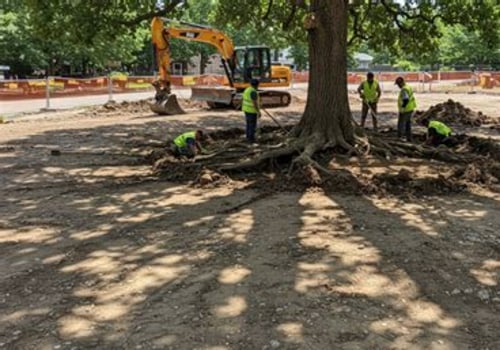
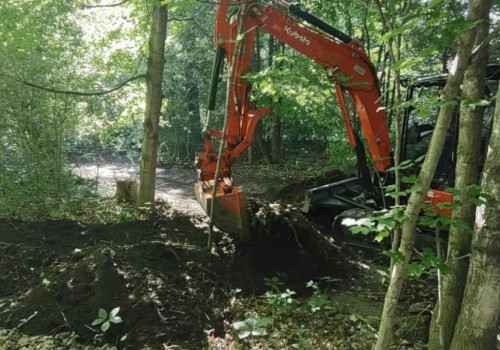
- Mechanical Excavation: For larger trees, heavy machinery such as backhoes or excavators can be employed. These machines can quickly remove large volumes of soil, but operators must be skilled to prevent root damage.
- Root Pruning: Before excavation, it may be beneficial to prune some of the roots. This technique helps minimize shock to the tree and can facilitate easier removal during the excavation process.
Root Management Methods
Effective root management is essential during tree excavation. Here are some methods to consider:- Root Barrier Installation: Installing barriers can help direct root growth away from areas where excavation is planned, reducing complications during the process.
- Soil Aeration: Aerating the soil around the tree before excavation can promote healthier root systems and make it easier to remove roots without causing excessive damage.
- Watering Techniques: Adequate watering before excavation can soften the soil, making it easier to dig and manage roots effectively.
Excavation Tools
The right tools are vital for efficient tree excavation.Some essential tools include:
- Shovels and Spades: Ideal for hand digging and precise work around roots.
- Root Cutters: Specialized tools designed to cut through tough roots without damaging surrounding soil.
- Excavators: Heavy machinery that can handle large-scale excavations quickly and efficiently.
Common Myths About Tree Root Removal
When it comes to tree excavation, several myths persist regarding the necessity and process of removing tree roots. Understanding these misconceptions can help homeowners and contractors make better decisions during excavation projects.- Myth 1: All roots must be removed for a tree to be safely excavated. Many believe that complete root removal is essential for the safety of nearby structures. In reality, not all roots need to be removed. In fact, leaving some roots intact can help maintain soil stability and prevent erosion.
- Myth 2: Tree roots only grow deep underground. A common misconception is that tree roots extend primarily downward.
However, most tree roots are found in the top 12 to 18 inches of soil. This means that during tree excavation, it’s crucial to focus on the upper layers where the majority of the root system resides.
- Myth 3: Removing roots will kill the tree immediately. While it’s true that removing a significant portion of a tree's root system can stress or even kill the tree, not all root removal leads to immediate death. Trees can often survive with partial root systems, especially if they are healthy and well-established.
- Myth 4: Excavation will always damage surrounding trees. Some believe that any excavation work will harm nearby trees. However, with careful planning and execution, it is possible to conduct tree excavation while minimizing damage to adjacent trees.
Techniques such as root pruning and using specialized equipment can help protect these trees.
FAQs About Tree Excavation and Root Removal
When it comes to tree excavation, many homeowners have questions about the necessity of removing all of a tree's roots. Here are some common inquiries and their answers:- Is it necessary to remove all roots during excavation? No, it is not always necessary to remove all of a tree's roots. In many cases, leaving some roots intact can help maintain soil stability and prevent erosion. However, if the tree is being completely removed, excavators typically aim to extract as many roots as possible to prevent future growth.
- What happens if some roots are left behind? If some roots are left in the ground, they may eventually decay, which can lead to soil settling.
This is particularly important to consider if you plan to build or plant in the area afterward.
- Can I plant new trees in the same spot after excavation? Yes, you can plant new trees in the same location after excavation, but it's essential to ensure that any remaining roots are adequately decomposed and that the soil is prepared for new growth.
- How deep do tree roots typically go? Tree roots can extend much deeper than most people realize. While many roots are found in the top 12-18 inches of soil, some species can have roots that reach depths of 3 feet or more, depending on soil conditions and water availability.
- What are the risks of improper root removal? Improper root removal can lead to several issues, including damage to surrounding plants, increased risk of disease, and potential structural problems for nearby buildings due to soil instability.
Conclusion: Key Takeaways on Tree Excavation and Root Management
In conclusion, understanding the intricacies of tree excavation and root management is crucial for both the health of the surrounding ecosystem and the success of any landscaping project. Here are the key takeaways:- Not all roots need to be removed: It is essential to recognize that while some roots may need to be excavated for construction or landscaping purposes, removing all roots can lead to soil instability and negatively impact nearby trees.
- Assessing root systems: Before any excavation begins, a thorough assessment of the tree's root system should be conducted. This helps in determining which roots are critical for the tree's stability and which can be safely removed.
- Impact on tree health: The removal of significant portions of a tree's root system can lead to stress, disease, or even death.
Therefore, careful planning and execution are necessary to minimize harm.
- Consulting professionals: Engaging with arborists or tree care professionals can provide valuable insights into best practices for tree excavation. Their expertise can help ensure that the process is done safely and effectively.
- Long-term considerations: Consider the long-term implications of root removal on both the tree and the surrounding environment. Sustainable practices should always be prioritized to maintain ecological balance.