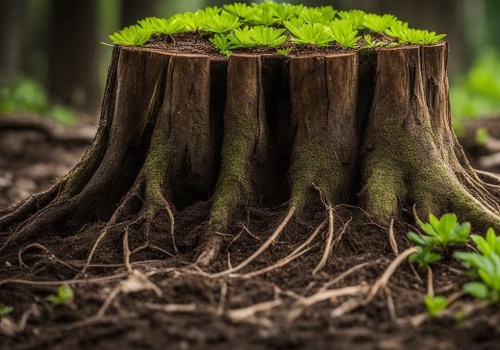
Understanding tree root systems is essential for anyone interested in maintaining the health of their trees. Roots are not just anchors; they play a vital role in nutrient absorption, water uptake, and overall stability. A healthy root system can extend far beyond the visible trunk and branches, often reaching two to three times the diameter of the tree's canopy. This extensive network is crucial for supporting the tree's growth and resilience against environmental stressors. Tree roots consist of various structures, including primary roots, which grow downward, and lateral roots, which spread horizontally.
These roots work together to form a complex web that helps the tree access essential resources from the soil. Additionally, fine roots, or root hairs, are responsible for nutrient absorption and are particularly sensitive to changes in soil conditions. When these roots are compromised, it can lead to significant health issues for the tree. Recognizing the signs of root damage is critical for timely intervention. Factors such as soil compaction, poor drainage, or physical injury can disrupt the root structure and impair the tree's ability to thrive.
Understanding how these systems function lays the groundwork for identifying potential problems that may necessitate tree excavation. By being aware of the signs of root distress, such as stunted growth or wilting leaves, you can take proactive measures to ensure your trees remain healthy and vibrant.
Common Signs of Root Damage
Identifying root damage in trees is crucial for maintaining their health and longevity. Several signs can indicate that a tree may be suffering from root problems, necessitating potential tree excavation.- Wilting Leaves: One of the first signs of root damage is wilting or drooping leaves, even when the tree is adequately watered. This can indicate that the roots are not effectively absorbing moisture.
- Stunted Growth: If a tree exhibits minimal growth or fails to produce new leaves during the growing season, it may be a sign of underlying root issues.
Healthy roots are essential for nutrient uptake and overall growth.
- Discoloration: Leaves turning yellow or brown prematurely can signal stress in the tree, often linked to root damage. This discoloration may also extend to the bark, which can show signs of decay.
- Visible Decay: Inspecting the base of the tree for any visible signs of decay or fungal growth can provide insight into root health. Mushrooms or other fungi growing near the base may indicate that the roots are compromised.
- Cracked Soil: Soil that appears cracked or overly dry around the base of a tree can suggest that the roots are not functioning properly, leading to inadequate moisture retention.
Environmental Factors Contributing to Root Damage
Understanding the environmental factors that contribute to root damage is crucial for effective tree management and prevention of tree excavation.Several conditions can lead to stress on tree roots, ultimately affecting their health and stability.
Soil Compaction
Soil compaction occurs when soil particles are pressed together, reducing pore space and limiting the availability of air and water to tree roots. This condition often arises from heavy foot traffic, construction activities, or the use of heavy machinery in close proximity to trees. Compacted soil can hinder root growth and lead to a decline in overall tree health.Drought Conditions
Drought significantly impacts trees by limiting water availability, which is essential for root function. During prolonged dry spells, trees may struggle to absorb enough moisture, leading to root dieback.Signs of drought stress include wilting leaves, premature leaf drop, and stunted growth. If drought conditions persist, the risk of root damage increases, making excavation necessary to assess the extent of the problem.
Flooding and Waterlogged Soil
Conversely, flooding can also cause severe root damage. When soil becomes waterlogged, it deprives roots of oxygen, leading to root rot and other fungal diseases. Trees in flooded areas may exhibit yellowing leaves, a general decline in vigor, and even death if the flooding is prolonged.Monitoring soil moisture levels is essential to prevent such conditions.
Other Tree Stressors
- Pests and Diseases: Infestations can weaken roots and make them more susceptible to environmental stress.
- Nutrient Deficiencies: Poor soil quality can lead to inadequate nutrient uptake, affecting root health.
- Temperature Extremes: Both extreme heat and cold can stress trees, impacting root function.
How to Assess Tree Health and Root Condition
Assessing the health of a tree and its root condition is crucial for determining whether tree excavation is necessary. A thorough inspection can reveal signs of root damage that may not be immediately visible. Here are some effective methods to evaluate tree health:- Visual Inspection: Start with a close examination of the tree's trunk, branches, and leaves.
Look for signs of stress such as wilting leaves, discoloration, or premature leaf drop. These symptoms can indicate underlying root issues.
- Soil Condition: The soil surrounding the tree plays a significant role in root health. Check for compacted soil, poor drainage, or unusual moisture levels. Conducting a simple soil test can help determine pH levels and nutrient availability, which are essential for root vitality.
- Root Exposure: If possible, gently expose some roots by removing soil around the base of the tree.
Healthy roots should be firm and white or light tan in color. Dark, mushy roots may indicate rot or disease.
- Tree Stability: Assess the stability of the tree by observing its lean and overall posture. A tree that leans significantly or has visible cracks in the trunk may have compromised roots that require further investigation.
The Tree Excavation Process: What to Expect
Understanding the tree excavation process is crucial for homeowners facing potential root damage issues.This process involves several key steps to ensure the health of your landscape and the safety of your property.
Preparation for Excavation
Before any excavation begins, a thorough assessment of the tree and its surrounding environment is necessary. This includes:- Site Evaluation: A professional arborist will inspect the tree to determine the extent of root damage and whether excavation is necessary.
- Permits and Regulations: Check local regulations regarding tree removal or excavation, as permits may be required.
- Utility Checks: Ensure that all underground utilities are marked to avoid any disruptions during the excavation process.
The Excavation Steps
Once preparations are complete, the actual excavation can begin. Here’s what to expect:- Marking the Area: The area around the tree will be marked to define the excavation zone.
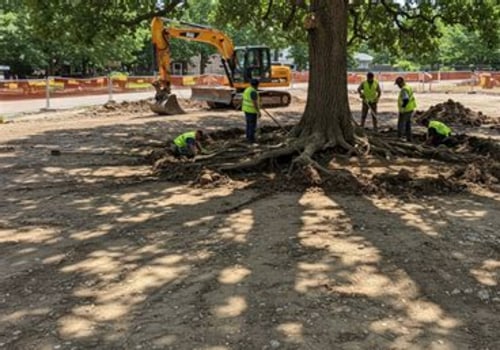
- Soil Removal: Using specialized equipment, soil will be carefully removed around the tree’s root system. This step requires precision to minimize damage to healthy roots.
- Root Inspection: As roots are exposed, they will be inspected for signs of disease or damage.
Healthy roots may be preserved if possible.
- Tree Removal (if necessary): If the tree is beyond saving, it will be removed with care to prevent further damage to surrounding plants.
Post-Excavation Care
After excavation, proper care is essential for the health of your landscape:- Soil Restoration: The excavated area should be backfilled with quality soil to promote healthy growth for any remaining plants.
- Watering and Fertilization: Newly exposed roots may require additional watering and fertilization to recover from stress.
- Monitoring: Keep an eye on the area for signs of distress in nearby plants or trees, as they may also be affected by changes in soil structure.
FAQs About Tree Root Damage and Excavation
When it comes to tree excavation, understanding the signs of root damage is crucial for maintaining the health of your trees. Here are some frequently asked questions that can help you identify potential issues:What are the common signs of tree root damage?
- Wilting or yellowing leaves: If your tree's leaves are wilting or turning yellow, it may indicate that the roots are not absorbing enough water or nutrients.
- Cracked or raised soil: Look for any unusual soil movement around the base of the tree. Cracks or raised areas can suggest root displacement.
- Fungal growth: The presence of mushrooms or other fungi at the base of the tree can indicate decaying roots.
- Lean or instability: If a tree appears to be leaning more than usual, it may have compromised roots that require immediate attention.
How can I determine if excavation is necessary?
If you notice any of the signs mentioned above, it’s essential to consult with a certified arborist. They can assess the situation and determine if excavation is necessary.In some cases, root pruning may be sufficient, while in others, complete excavation might be required to save the tree.
What should I expect during the excavation process?
The excavation process typically involves:- Assessment: A professional will evaluate the extent of root damage and decide on the best course of action.
- Careful digging: Excavation should be done carefully to minimize further damage to healthy roots.
- Replanting or treatment: After excavation, options may include replanting the tree or treating any remaining roots to promote recovery.
Conclusion: Key Takeaways on Tree Root Damage and Excavation Needs
In summary, recognizing the signs of tree root damage is crucial for maintaining the health of your trees and ensuring safety in your landscape. Early detection can prevent more severe issues that may necessitate costly tree excavation. Here are the key takeaways to keep in mind:- Visible Symptoms: Look for signs such as wilting leaves, stunted growth, or unusual leaf discoloration. These can indicate that the roots are not functioning properly.
- Soil Conditions: Pay attention to the soil around your trees.
If you notice excessive moisture or dry patches, it may suggest root problems.
- Tree Stability: A leaning tree or one with exposed roots can be a sign of root damage. This instability can pose a risk to nearby structures and people.
- Pest Infestation: An increase in pests or fungal growth around the base of the tree may indicate underlying root issues that need to be addressed.