Tree excavation is a critical process that plays a significant role in urban planning and environmental conservation. As cities expand and develop, the need to manage green spaces becomes increasingly important. However, the act of excavating trees is not merely a matter of removing vegetation; it involves a complex interplay of regulations and legal requirements designed to protect both the environment and community interests. Understanding the regulations surrounding tree excavation is essential for property owners, developers, and environmentalists alike. These laws can vary widely depending on local ordinances, state laws, and federal guidelines.
For instance, certain species of trees may be protected due to their ecological significance or rarity, necessitating permits or specific procedures before any excavation can take place. Additionally, many municipalities have established tree removal laws that dictate when and how trees can be removed, ensuring that such actions are justified and environmentally responsible. This section will delve into the various aspects of tree excavation regulations, exploring the legal frameworks that govern this practice. By understanding these laws, stakeholders can make informed decisions that align with both legal requirements and sustainable practices, ultimately contributing to healthier urban ecosystems.
Understanding Tree Excavation
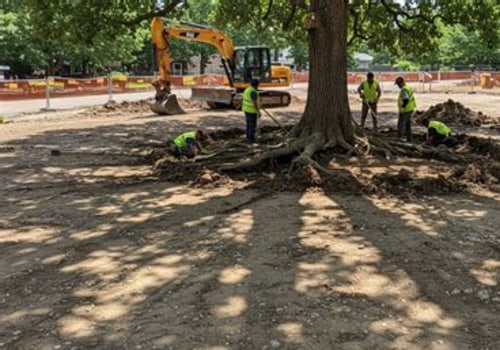
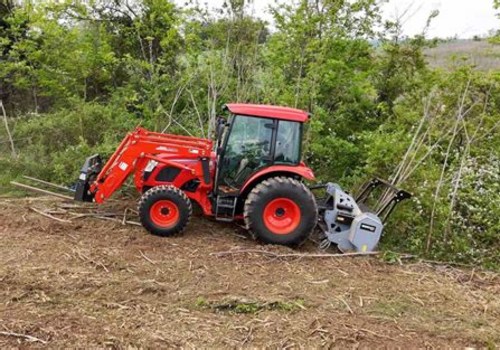
Tree excavation is a critical process in landscaping and construction that involves the careful removal of trees and their root systems from a designated area. This procedure is essential for various reasons, including site preparation for new structures, landscaping enhancements, or the removal of diseased or hazardous trees.The tree excavation process typically begins with an assessment of the site to determine the best approach for removal.This includes evaluating the tree's size, species, and proximity to structures or utilities. Once a plan is established, the following steps are generally involved:
- Preparation: Clear the area around the tree to ensure safe access for equipment and personnel.
- Cutting: Use chainsaws or other tools to cut the tree down at its base.
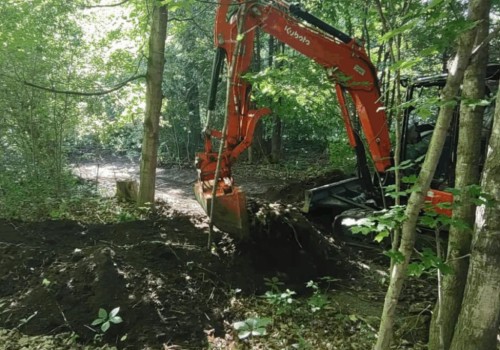
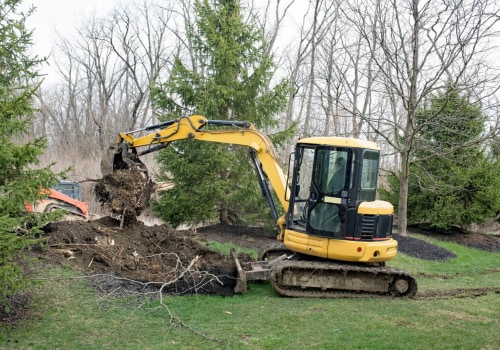
- Root Removal: Excavate the root system using specialized machinery, ensuring minimal disturbance to the surrounding soil.
- Site Restoration: Fill in any holes left by the roots and restore the area for future use.
Additionally, in landscaping, removing unwanted or unhealthy trees can enhance the aesthetic appeal of a property and promote healthier growth for remaining plants.Moreover, tree excavation can play a vital role in environmental management. By removing invasive species or dead trees, landowners can help maintain biodiversity and promote healthier ecosystems. Overall, understanding the intricacies of tree excavation is essential for anyone involved in landscaping or construction to ensure that projects are executed efficiently and sustainably.
Federal Regulations on Tree Excavation
When it comes to tree excavation, several federal regulations play a crucial role in ensuring that the process is conducted responsibly and sustainably. Understanding these laws is essential for anyone involved in tree removal or excavation projects.One of the primary federal laws that impact tree excavation is the National Environmental Policy Act (NEPA).NEPA requires federal agencies to assess the environmental effects of their proposed actions before making decisions. This includes evaluating the potential impact of tree removal on local ecosystems, wildlife habitats, and overall environmental health.Additionally, the Endangered Species Act (ESA) protects species that are threatened or endangered, which can affect tree excavation activities. If a tree removal project could potentially harm an endangered species or its habitat, federal permits may be required, and mitigation measures must be implemented to minimize impact.The Clean Water Act (CWA) also plays a significant role in regulating activities that may affect water quality. If tree excavation occurs near wetlands or waterways, compliance with CWA regulations is necessary to prevent pollution and protect aquatic ecosystems.Furthermore, federal agencies such as the U.S.
Forest Service and the Bureau of Land Management (BLM) oversee land management practices on public lands. These agencies have specific guidelines regarding tree removal and excavation to ensure sustainable forestry practices are followed.In summary, federal regulations surrounding tree excavation are designed to protect the environment and ensure responsible land use. Compliance with laws such as NEPA, ESA, and CWA is essential for any excavation project that involves tree removal, particularly on federal lands or in sensitive ecological areas.
State-Specific Laws Governing Tree Excavation
When it comes to tree excavation, regulations can vary significantly from state to state, reflecting local environmental concerns, urban planning needs, and community values. Understanding these state-specific laws is crucial for property owners and contractors alike. For instance, in California , the California Forest Practice Act governs tree removal and excavation in forested areas, requiring permits for any significant tree removal.Additionally, local ordinances may impose further restrictions, especially in urban areas where trees are protected for their ecological benefits. In contrast, Florida has a more lenient approach. While there are regulations regarding the removal of certain protected species, homeowners generally have more freedom to excavate trees on their property without extensive permitting processes. However, local municipalities may have specific rules that could affect tree excavation activities.Texas presents another unique case. The state has no comprehensive tree protection laws; however, cities like Austin have implemented strict regulations to preserve heritage trees.
In such cases, property owners must navigate both state laws and local ordinances to ensure compliance. Moreover, New York has enacted the New York City Tree Protection Law, which requires permits for the removal of street trees and imposes fines for unauthorized excavation. This law reflects the city's commitment to maintaining its urban forest amidst rapid development. In summary, while some states offer broad leeway for tree excavation, others impose stringent regulations aimed at protecting local ecosystems. It is essential for individuals and businesses involved in tree excavation to familiarize themselves with both state and local laws to avoid potential legal issues.
Local Ordinances and Tree Excavation Permits
When considering tree excavation, it is crucial to be aware of local ordinances that may govern the process. Many cities and municipalities have specific regulations in place to protect urban forestry and ensure that tree removal or excavation is conducted responsibly.Local ordinances often require property owners to obtain tree excavation permits before proceeding with any significant tree removal.These permits are designed to assess the impact of the excavation on the surrounding environment and community. Here are some key points to consider:
- Permit Requirements: Check with your local city or county office to determine if a permit is necessary for your specific project. Some areas may have exemptions for smaller trees or specific types of landscaping.
- Application Process: The application process typically involves submitting a form detailing the location, size, and species of the tree, along with a justification for its removal. You may also need to provide a site plan.
- Review Period: After submitting your application, there may be a review period during which local officials assess the potential environmental impact.
This can take anywhere from a few days to several weeks.
- Fees: Be prepared for potential fees associated with the permit application. These fees can vary widely depending on your location and the size of the tree.
Environmental Considerations in Tree Excavation Laws
When it comes to tree excavation, understanding the environmental considerations is crucial, as these factors significantly influence the regulations and laws governing the practice.The removal of trees can have profound effects on local ecosystems, which is why many jurisdictions have implemented strict guidelines to mitigate potential harm.
Environmental Impact of Tree Removal
- Habitat Disruption: Trees provide essential habitats for various wildlife species. Excavating trees can lead to habitat loss, which may threaten local biodiversity.
- Soil Erosion: Tree roots play a vital role in maintaining soil structure. Their removal can increase the risk of soil erosion, leading to sedimentation in nearby water bodies.
- Carbon Sequestration: Trees absorb carbon dioxide, helping to mitigate climate change. Removing them can release stored carbon back into the atmosphere.
These laws often require permits for tree removal, especially for mature or protected species. Additionally, some regions mandate replanting efforts or the establishment of conservation easements to ensure that ecological balance is maintained.
Ecological Regulations
- Protected Species: Certain tree species may be protected under federal or state laws, making it illegal to excavate them without special permission.
- Environmental Assessments: Before proceeding with tree excavation, an environmental impact assessment may be required to evaluate potential effects on local ecosystems.
- Mitigation Strategies: Regulations may also include requirements for mitigation strategies, such as creating new green spaces or restoring habitats elsewhere.
Consequences of Non-Compliance with Tree Excavation Laws
Failure to comply with tree excavation regulations can lead to a range of serious legal consequences. These penalties are designed to deter individuals and companies from engaging in illegal tree removal practices that can harm the environment and violate local laws.Penalties for Illegal Tree Removal
- Fines: Many jurisdictions impose hefty fines for unauthorized tree excavation.
These fines can vary significantly based on the size of the tree, the extent of the violation, and whether it is a repeat offense.
- Restitution: In some cases, offenders may be required to pay restitution, which involves compensating for the loss of the tree and any associated environmental damage. This can include costs for replanting trees or restoring habitats.
- Legal Fees: If a case goes to court, individuals may also incur legal fees, which can add to the financial burden of non-compliance.
Consequences of Non-Compliance
- Civil Liability: Beyond fines, individuals or companies may face civil lawsuits from affected parties, such as neighbors or environmental groups, seeking damages for illegal tree removal.
- Criminal Charges: In severe cases, particularly where protected species are involved, offenders may face criminal charges that could result in jail time.
- Loss of Permits: Companies that repeatedly violate tree excavation laws may find it difficult to obtain necessary permits in the future, impacting their ability to conduct business.
Legal Issues with Tree Excavation
The legal landscape surrounding tree excavation is complex and varies by location. It is crucial for property owners and contractors to understand local regulations before proceeding with any excavation work. Ignorance of the law is not typically accepted as a valid defense in court, making it essential to seek guidance from legal experts or local authorities.In summary, the consequences of non-compliance with tree excavation laws can be severe and far-reaching.
From financial penalties to legal repercussions, understanding and adhering to these regulations is vital for anyone involved in tree removal activities.
Best Practices for Complying with Tree Excavation Regulations
When it comes to tree excavation, adhering to local regulations is crucial for both environmental protection and legal compliance. Here are some best practices to ensure that your tree removal projects align with the necessary laws:- Research Local Regulations: Before starting any excavation, familiarize yourself with local laws regarding tree removal. This may include permits, protected species, and specific guidelines for excavation.
- Consult with Professionals: Engaging with certified arborists or tree removal experts can provide valuable insights into the legal requirements and best practices for your specific project.
- Obtain Necessary Permits: Always secure the required permits from local authorities before proceeding with tree excavation. This step not only ensures compliance but also protects you from potential fines.
- Conduct Environmental Assessments: In some areas, an environmental impact assessment may be necessary to evaluate how the excavation will affect local ecosystems.
This is especially important if the trees are part of a protected habitat.
- Document Everything: Keep detailed records of all communications, permits, and assessments related to your tree excavation project. This documentation can be invaluable in case of disputes or inspections.
- Stay Updated: Regulations can change frequently. Regularly check with local government websites or agencies to stay informed about any updates that may affect your project.
- Engage Legal Counsel: If you're unsure about the legalities surrounding your tree excavation, consulting with a lawyer who specializes in environmental law can provide clarity and help you navigate complex regulations.
FAQs About Tree Excavation Regulations
When it comes to tree excavation, many property owners have questions regarding the legalities and regulations that govern this process. Below are some frequently asked questions that can help clarify common concerns.What are the general regulations for tree excavation?
Regulations for tree excavation can vary significantly by state and municipality.Generally, local laws may require permits for removing trees, especially if they are of a certain size or species. It is essential to check with your local government or forestry department to understand specific requirements in your area.
Are there protected tree species?
Yes, many regions have laws protecting certain tree species, particularly those that are endangered or native to the area. Removing these trees without proper authorization can lead to hefty fines and legal repercussions. Always verify if the tree you intend to excavate is protected under local or federal law.What should I do if a tree is on my property but is also on a neighbor's land?
This situation can be complex.Generally, if a tree straddles property lines, both property owners may need to agree on its removal. It’s advisable to consult with a legal expert or a mediator to resolve any disputes amicably.
Can I excavate trees on my own property without a permit?
In many cases, homeowners can excavate trees on their own property without a permit, provided they comply with local regulations. However, it’s crucial to check for any specific restrictions that may apply, especially in urban areas where tree preservation ordinances might be in place.What are the consequences of illegal tree excavation?
Engaging in illegal tree excavation can result in significant penalties, including fines and restoration orders. In some cases, you may be required to replant trees or restore the area to its original condition.Therefore, it’s vital to adhere to all applicable laws before proceeding with any excavation work.If you have further questions about tree excavation regulations, consider reaching out to local authorities or consulting with an environmental lawyer who specializes in land use and forestry laws.
Conclusion: Navigating Tree Excavation Laws Effectively
In conclusion, understanding the regulations surrounding tree excavation is crucial for anyone involved in land development, landscaping, or property management. As we have explored, these laws are designed to protect not only the environment but also the rights of property owners and the community at large. Compliance with local, state, and federal regulations can prevent legal issues and promote sustainable practices. Here are some key takeaways:- Research Local Laws: Before initiating any tree excavation project, it is essential to research local ordinances that may dictate specific requirements or restrictions.
- Obtain Necessary Permits: Many jurisdictions require permits for tree removal or excavation. Failing to secure these can result in fines or project delays.
- Consult Professionals: Engaging with arborists or environmental consultants can provide valuable insights into the ecological impact of tree excavation and help navigate regulatory frameworks.
- Consider Environmental Impact: Understanding the ecological role of trees in your area can guide responsible excavation practices that minimize harm to local wildlife and ecosystems.
Ultimately, informed decision-making is key to successfully navigating the complexities of tree excavation laws.