Understanding tree roots is essential for anyone involved in landscaping, gardening, or environmental conservation. These roots serve as the foundation of a tree's health, anchoring it securely in the soil while also absorbing vital nutrients and water. The intricate network of tree root systems extends far beyond what is visible above ground, often spreading out several times the width of the tree's canopy. This expansive reach not only supports the tree itself but also plays a crucial role in maintaining the overall health of the ecosystem. The importance of tree roots cannot be overstated.
They help prevent soil erosion, improve soil structure, and provide habitat for various organisms. Additionally, healthy root systems contribute to the tree's ability to withstand environmental stresses such as drought or heavy winds. When considering tree excavation, understanding the depth and spread of these roots is vital. Excavating too shallowly can damage essential root structures, while digging too deep may disrupt the surrounding ecosystem. As we delve deeper into the topic of determining appropriate excavation depths for tree roots, it becomes clear that a comprehensive understanding of these root systems is not just beneficial but necessary.
By appreciating their complexity and significance, we can make informed decisions that promote both tree health and environmental sustainability.
Factors Influencing Root Depth
Determining the appropriate depth for tree excavation requires a thorough understanding of several key factors that influence root growth. These factors include soil type, tree species, and environmental conditions.Soil Type
The type of soil in which a tree is planted plays a crucial role in root development. Different soils have varying textures, drainage capabilities, and nutrient availability. For instance:- Sandy soils tend to drain quickly, encouraging roots to grow deeper in search of moisture.
- Clay soils, on the other hand, retain water but can become compacted, limiting root expansion.
- Silty soils offer a balance, providing good drainage while retaining nutrients.
Tree Species
Different tree species exhibit unique root systems.Some trees, like oaks, develop extensive lateral roots that spread wide but may not penetrate deeply. Others, such as pines, often have deeper taproots that anchor them firmly into the ground. Knowing the specific growth patterns of the tree species in question is essential for determining how deep to excavate.
Environmental Conditions
The surrounding environmental conditions also significantly impact root depth. Factors such as:- Moisture levels: Trees in consistently wet areas may have shallower roots compared to those in drier climates.
- Temperature variations: Extreme temperatures can affect root growth rates and patterns.
- Competition for resources: Trees growing in dense forests may develop different root structures compared to those in open spaces.
Methods for Assessing Root Depth
Determining the appropriate depth for excavating a tree's roots is crucial for ensuring the health of the tree and the surrounding environment.Here are several effective methods for assessing root depth:
- Visual Inspection: Begin with a thorough visual inspection of the tree and its surrounding area. Look for signs of surface roots, which can indicate the general depth of the root system. Observing the tree's growth pattern and any nearby structures can also provide clues about root depth.
- Soil Probes: Utilizing soil probes is an efficient way to measure root depth without extensive excavation. A soil probe allows you to extract soil samples at various depths, helping you identify where roots are concentrated.
Insert the probe into the ground around the tree, and note the resistance you encounter; this can indicate denser root zones.
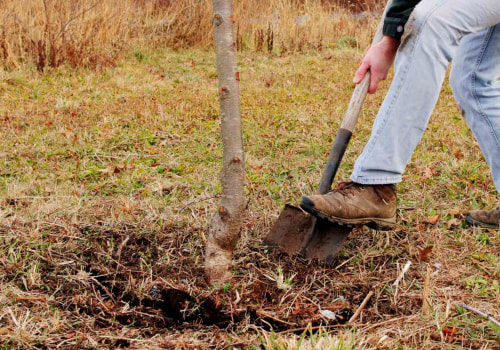
- Excavation Techniques: If more precise measurements are needed, consider using careful excavation techniques. Start by digging a small trench around the base of the tree, being cautious not to damage any visible roots. This method allows you to directly observe root structures and their depth. Always use hand tools to minimize disturbance.
For instance, some trees may have shallow, fibrous roots, while others develop deep taproots. Understanding these differences will aid in your assessment. In conclusion, combining visual inspection with soil probes and careful excavation techniques will provide a comprehensive understanding of a tree's root depth. This knowledge is vital for making informed decisions regarding tree excavation, ensuring both safety and ecological balance.
Common Mistakes in Tree Excavation
When it comes to tree excavation, many individuals and professionals make critical mistakes that can jeopardize the health of the tree.Understanding these common pitfalls is essential for ensuring a successful excavation process.
- Improper Root Cutting: One of the most significant errors is cutting too many roots or severing large, vital roots. This can lead to instability and stress for the tree, making it more susceptible to disease and environmental factors.
- Neglecting Soil Conditions: Failing to assess the soil type and moisture levels can result in inadequate support for the tree post-excavation. Different soil types can affect root growth and stability, so it's crucial to understand these conditions before beginning.
- Ignoring Tree Species Needs: Each tree species has unique root systems and growth patterns. Not considering these factors can lead to improper excavation depth, risking damage to the tree's health.
- Lack of Planning: Rushing into excavation without a clear plan can result in haphazard digging, which may inadvertently harm the tree.
A well-thought-out strategy should include identifying critical roots and planning the excavation path accordingly.
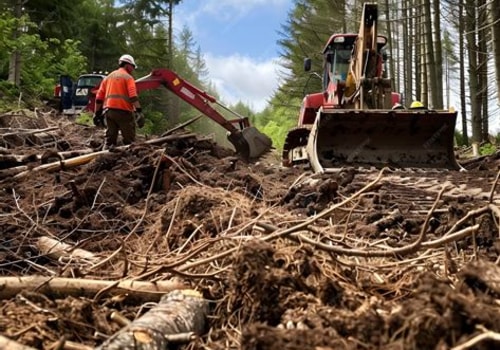
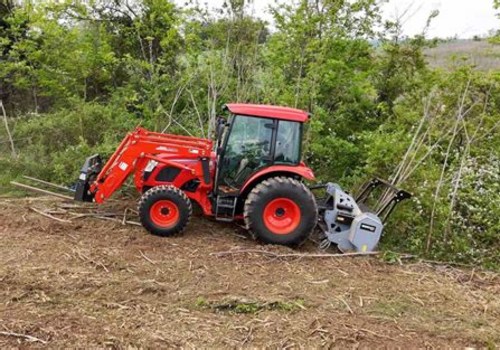
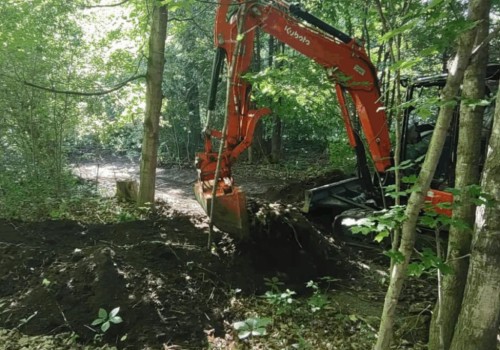
- Inadequate Tools: Using inappropriate tools for excavation can cause unnecessary damage. For instance, heavy machinery may compact the soil or crush roots, while hand tools may not provide enough precision.
Best Practices for Safe Tree Excavation
When it comes to tree excavation, following best practices is essential to ensure the safety of both the tree and the surrounding environment. Here are some key techniques and tools to consider:- Assess the Tree's Health: Before starting any excavation, evaluate the tree's overall health.
Look for signs of disease or stress, as these factors can influence how you approach the excavation.
- Use the Right Tools: Equip yourself with appropriate tools such as hand trowels, spades, and root saws. Avoid heavy machinery that can compact the soil and damage roots.
- Mark the Root Zone: Identify and mark the area around the tree where roots are likely to extend. This will help you plan your excavation and minimize root disturbance.
- Excavate Gradually: Start by removing soil in layers rather than digging deep all at once. This method allows you to monitor root structures and adjust your approach as needed.
- Avoid Cutting Roots: If you encounter roots during excavation, try to work around them instead of cutting them.
If cutting is unavoidable, use clean cuts and seal them with a tree wound dressing to promote healing.
- Maintain Soil Moisture: Keep the soil moist during excavation to reduce stress on the tree. Dry soil can lead to root damage and hinder recovery.
FAQs About Tree Excavation and Root Depth
When it comes to tree excavation, understanding the appropriate depth for excavating a tree's roots is crucial for both the health of the tree and the safety of surrounding structures. Here are some frequently asked questions that can help clarify common concerns:What is the typical depth of tree roots?
Tree roots generally extend to a depth of about 1 to 3 feet below the surface, but this can vary significantly based on the species, soil type, and environmental conditions.Some trees may have roots that go deeper, while others may have shallower root systems.
How do I determine the root depth before excavation?
To determine the root depth, you can:- Conduct a soil test: Dig a small hole around the tree to observe root growth.
- Consult an arborist: A professional can provide insights based on their experience and knowledge.
- Research tree species: Different species have different root structures; knowing your tree type can guide you.
What are the risks of excavating too deeply?
Excavating too deeply can lead to:- Root damage: Cutting through major roots can destabilize the tree.
- Tree stress: Removing too much soil can expose roots to air and dehydration.
- Increased susceptibility to disease: Damaged roots may become more vulnerable to pests and pathogens.
Can I excavate around a tree without harming it?
Yes, but it requires careful planning. Always aim to preserve as many roots as possible. Use hand tools instead of heavy machinery to minimize soil disturbance and avoid cutting through large roots.If you're unsure about how deep to excavate or how to proceed safely, consulting with a certified arborist is always a wise choice. They can provide tailored advice based on your specific situation and help ensure that both your tree and property remain safe during the excavation process.Conclusion: Key Takeaways on Tree Root Excavation Depth
In conclusion, understanding the appropriate depth for tree excavation is crucial for both the health of the tree and the success of any landscaping or construction project.Here are the key takeaways to consider:
- Root Structure Awareness: Familiarize yourself with the specific species of tree you are excavating. Different trees have varying root systems, which can significantly influence the depth at which you should excavate.
- Soil Conditions: Assessing soil type and condition is essential. Sandy soils may allow for deeper excavation compared to clay soils, which can retain moisture and affect root health.
- Depth Guidelines: As a general rule, aim to excavate at least 12 to 18 inches deep for most trees, but always adjust based on the specific root structure and environmental factors.
- Consulting Experts: When in doubt, consulting with an arborist or a landscaping professional can provide valuable insights tailored to your specific situation.
- Long-term Impact: Consider the long-term implications of your excavation depth. Properly managing root systems not only supports tree health but also enhances the overall landscape aesthetics.