Tree excavation is a crucial practice in the realm of arboriculture, aimed at enhancing the overall health and vitality of trees. This process involves the careful removal of soil and debris around a tree's root system, allowing for better access to essential nutrients, water, and air. By understanding the significance of tree excavation, we can appreciate how it serves as a proactive measure to address various issues that may hinder a tree's growth and longevity. One of the primary purposes of tree excavation is to alleviate compaction in the soil surrounding a tree. Compacted soil can restrict root expansion and limit the tree's ability to absorb vital resources.
Through excavation, arborists can create a more favorable environment for roots to thrive, ultimately leading to improved tree health. Additionally, this practice can help identify and mitigate problems such as root rot or pest infestations that may be lurking beneath the surface. The benefits of tree excavation extend beyond immediate physical improvements. By fostering a healthier root system, trees become more resilient against environmental stressors such as drought or disease. Furthermore, well-excavated trees are often more aesthetically pleasing, contributing positively to their surroundings.
As we delve deeper into the topic, it becomes clear that understanding tree excavation is not just about maintenance; it’s about nurturing the very essence of our urban and natural landscapes.
What is Tree Excavation?
Tree excavation is a specialized process that involves the careful removal of soil and other materials around a tree's root system. This technique is often employed to enhance the health of a tree, facilitate construction projects, or prepare for landscaping. Understanding the intricacies of tree excavation is essential for anyone looking to maintain or improve the vitality of their trees.The tree excavation process typically begins with an assessment of the tree's health and the surrounding environment. Professionals will evaluate factors such as soil composition, root structure, and overall tree condition.Once this assessment is complete, the excavation can proceed in several stages:
- Site Preparation: Clearing the area around the tree to ensure safe access for excavation equipment.
- Soil Removal: Carefully digging around the root zone to expose roots without causing damage.
- Root Pruning: Trimming any damaged or diseased roots to promote healthy growth.
- Soil Replacement: Adding nutrient-rich soil back into the excavated area to support root health.
- Hand Excavation: This method uses manual tools for small-scale projects, allowing for precise control and minimal disturbance.
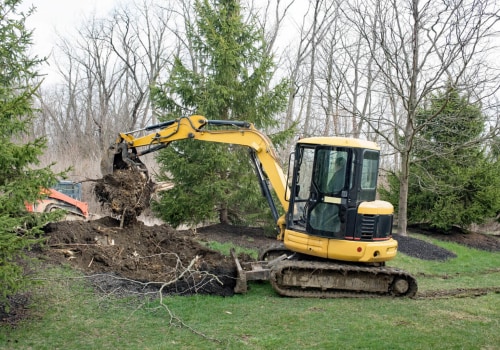
- Mechanical Excavation: Heavy machinery is used for larger trees or extensive root systems, making it faster but requiring skilled operators to avoid damaging the tree.
- Hydro Excavation: Utilizing high-pressure water jets to remove soil gently, this method minimizes root damage and is ideal for delicate situations.
How Tree Excavation Affects Tree Health
Tree excavation can have both positive and negative effects on tree health, depending on how it is conducted and the specific circumstances surrounding the tree. Understanding these effects is crucial for making informed decisions about tree management.Impact on Tree Roots
- During excavation, tree roots may be exposed, which can lead to stress and potential damage. Roots are essential for nutrient and water uptake, and any disruption can hinder a tree's ability to thrive.
- However, careful excavation can also allow for the removal of competing roots from nearby plants, potentially improving the tree's access to resources.
Soil Health Considerations
- Soil compaction is a common issue associated with excavation.
Heavy machinery can compress the soil, reducing its porosity and affecting water drainage. This can lead to poor root development and overall tree health.
- On the other hand, excavation can improve soil aeration if done correctly. By loosening compacted soil layers, it may enhance root growth and promote better nutrient absorption.
Nutrient Availability
- Excavation can disturb the natural balance of nutrients in the soil. If topsoil is removed or mixed improperly, it may lead to nutrient deficiencies that affect tree growth.
- Conversely, if organic matter is added during the excavation process, it can enrich the soil, providing essential nutrients that support tree health.
Careful planning and execution are key to ensuring that the benefits outweigh the drawbacks.
Benefits of Tree Excavation for Tree Health
Tree excavation can play a crucial role in enhancing the overall health of a tree. By carefully removing soil and debris from around the root zone, tree excavation facilitates several key benefits that contribute to improved tree vitality.- Improved Air Circulation: One of the primary advantages of tree excavation is the enhancement of air circulation around the roots. When soil becomes compacted, it restricts airflow, which can lead to root suffocation. Excavation helps to alleviate this issue, allowing roots to breathe and absorb oxygen more effectively.
- Better Access to Nutrients: Trees require a variety of nutrients for optimal growth.
Excavation can expose roots to nutrient-rich soil layers that may have been previously inaccessible. This access allows trees to absorb essential minerals and organic matter, promoting healthier foliage and stronger growth.
- Enhanced Growth Potential: With improved air circulation and better access to nutrients, trees are more likely to experience enhanced growth. This is particularly important for young trees or those that have been struggling due to environmental stressors. By providing a more favorable growing environment, tree excavation can lead to increased height, fuller canopies, and overall robust health.
By uncovering these problems early on, arborists can implement targeted solutions that further support the tree's recovery and growth.In summary, tree excavation offers significant benefits for improving tree health by enhancing air circulation, providing better access to nutrients, and promoting overall growth. These factors are essential for maintaining vibrant and resilient trees in any landscape.
Risks and Considerations in Tree Excavation
While tree excavation can offer benefits such as improved health and growth for certain trees, it is essential to consider the associated risks and potential damage that may occur during the process. Understanding these risks can help ensure that the excavation is conducted safely and effectively.Potential Damage to Roots
One of the primary concerns with tree excavation is the potential damage to a tree's root system. Roots are vital for a tree's stability, nutrient uptake, and overall health.Disturbing or cutting roots during excavation can lead to:
- Reduced Nutrient Absorption: Damaged roots may struggle to absorb water and nutrients, leading to stress and decline.
- Increased Vulnerability: Trees with compromised root systems are more susceptible to diseases and pests.
- Instability: A tree with damaged roots may become unstable, increasing the risk of toppling during storms or high winds.
Overall Tree Stability
The stability of a tree is closely linked to its root system. Excavation can alter the soil structure around the tree, affecting its anchorage. If not done carefully, this can lead to:- Soil Compaction: Heavy machinery used during excavation can compact the soil, making it difficult for roots to grow and access air and water.
- Altered Drainage Patterns: Excavation may change how water drains around the tree, potentially leading to waterlogging or drought conditions.
Precautions in Excavation
To mitigate these risks, several precautions should be taken when planning a tree excavation. These include:- Consulting an Arborist: Before proceeding with excavation, consult a certified arborist who can assess the tree's health and provide guidance on best practices.
- Avoiding Heavy Machinery: Whenever possible, use hand tools or lighter equipment to minimize soil compaction and root damage.
- Timing: Conduct excavation during the tree's dormant season to reduce stress and promote recovery.
Best Practices for Tree Excavation
When it comes to tree excavation, following best practices is crucial to ensure the health of the tree and the safety of the surrounding environment.Proper techniques not only minimize damage to the tree but also enhance its chances of thriving post-excavation.
- Assess the Tree's Health: Before any excavation begins, conduct a thorough assessment of the tree's health. Look for signs of disease, pest infestations, or structural weaknesses. Consulting with a certified arborist can provide valuable insights.
- Choose the Right Time: Timing is essential in tree excavation. The best time to excavate is during the tree's dormant season, typically late fall to early spring.
This minimizes stress on the tree and reduces the risk of damage.
- Use Safe Excavation Techniques: Employ techniques that protect the root system. Hand digging is often preferred over mechanical methods, as it allows for greater control and reduces the risk of root severing. If machinery is necessary, use equipment that minimizes soil compaction and disturbance.
- Maintain Soil Integrity: During excavation, strive to keep as much of the root zone intact as possible. This helps maintain soil structure and provides essential nutrients and water to the tree.
- Hire Professional Tree Services: Engaging professional tree services ensures that experienced personnel handle the excavation process.
Professionals are trained in safe practices and have access to specialized equipment that can make the process more efficient and less damaging.
Case Studies: Successful Tree Excavation Projects
Tree excavation can yield remarkable results when executed correctly, as evidenced by several case studies that highlight its effectiveness in enhancing tree health. Below are a few notable examples:Case Study 1: Urban Oak Restoration
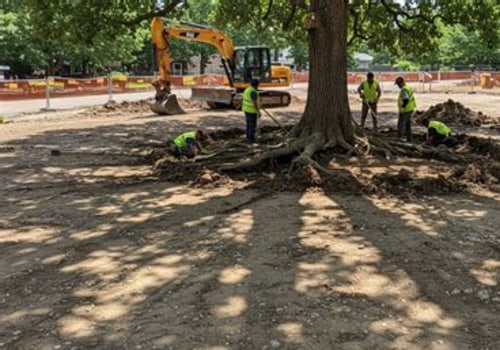
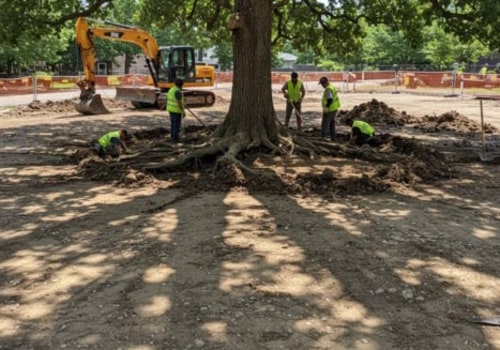
In a bustling urban area, a mature oak tree was showing signs of decline due to soil compaction and root damage from nearby construction. A team of arborists conducted a tree excavation project to alleviate the stress on the tree's root system.They carefully excavated the soil around the roots, removing compacted layers and replacing them with nutrient-rich organic matter. Within a year, the tree exhibited significant recovery, with increased leaf density and overall vigor.
Case Study 2: Parkland Pine Rehabilitation
A public park faced challenges with several pine trees suffering from poor growth and pest infestations. After assessing the soil conditions, experts decided to implement tree excavation to improve drainage and aeration. The excavation revealed a layer of heavy clay that was suffocating the roots.By amending the soil and replanting with better drainage practices, the pines thrived, showing a marked improvement in health and resistance to pests.
Case Study 3: Community Garden Revitalization
A community garden project included several fruit trees that were struggling due to competition from invasive plant species. The team undertook a tree excavation initiative to remove invasive roots and improve soil quality. Post-excavation, they observed a dramatic increase in fruit production and tree resilience against diseases, demonstrating how targeted excavation can lead to thriving ecosystems.These case studies illustrate that tree excavation, when performed with care and expertise, can significantly enhance tree health and longevity. By addressing underlying issues such as soil compaction, drainage problems, and root competition, trees can recover and flourish in their environments.FAQs About Tree Excavation and Tree Health
When it comes to tree excavation, many people have questions about its impact on tree health.Here are some frequently asked questions that can help clarify common misconceptions:
- What is tree excavation? Tree excavation involves the careful removal of soil around a tree's root system. This process can help alleviate issues such as soil compaction, which can hinder a tree's ability to absorb water and nutrients.
- Can tree excavation improve tree health? Yes, when done correctly, tree excavation can significantly improve a tree's health. By exposing the roots, it allows for better aeration and drainage, which are essential for nutrient uptake.
- Is tree excavation harmful to trees? If not performed properly, tree excavation can indeed be harmful. It is crucial to avoid damaging the roots during the process, as this can lead to stress and decline in health.
- How do I know if my tree needs excavation? Signs that a tree may benefit from excavation include stunted growth, yellowing leaves, or visible signs of root rot.
Consulting with an arborist can provide a professional assessment.
- Are there any misconceptions about tree excavation? A common misconception is that all excavation is detrimental to trees. In reality, when executed with care and expertise, it can enhance a tree's vitality.
Conclusion: The Role of Tree Excavation in Promoting Tree Health
In conclusion, tree excavation can play a significant role in enhancing the health of a tree when executed with precision and care. As we have explored, this process is not merely about removing soil or roots; it involves a comprehensive understanding of the tree's needs and the surrounding environment. When performed correctly, tree excavation can:- Improve Soil Aeration: By removing compacted soil, trees can access essential nutrients and water more effectively.
- Enhance Root Growth: Excavation allows for the removal of obstacles that may hinder root expansion, promoting a healthier root system.
- Facilitate Disease Management: Identifying and addressing root rot or other diseases through excavation can prevent further deterioration of tree health.
Improper techniques can lead to significant damage, including:
- Root Damage: Over-excavation or careless handling can harm vital roots, leading to stress or even tree death.
- Soil Disruption: Disturbing the soil too much can create an unstable environment for the tree.