Tree excavation is a crucial process in both landscaping and construction, involving the careful removal of trees and their root systems to prepare a site for new development or to enhance existing landscapes. This process is not merely about cutting down trees; it encompasses a range of activities that ensure the safe and efficient extraction of trees while minimizing damage to the surrounding environment. Understanding what tree excavation entails is essential for anyone involved in property development, landscaping, or environmental management.The importance of tree excavation cannot be overstated. In many cases, trees may obstruct construction projects, pose safety hazards, or interfere with utility lines.
Additionally, when planning a new landscape design, removing certain trees can create space for new plantings or structures that better align with the desired aesthetic and functional goals. Proper tree excavation techniques help to preserve soil integrity and promote healthy growth for remaining plants, making it a vital step in sustainable landscaping practices.Moreover, tree excavation is often governed by local regulations and environmental considerations. Understanding these guidelines is essential for ensuring compliance and protecting local ecosystems. By recognizing the significance of tree excavation, property owners and developers can make informed decisions that balance development needs with environmental stewardship.
Reasons for Tree Excavation
Tree excavation is a crucial process that serves multiple purposes, each rooted in safety, development, and environmental considerations.Understanding why tree excavation is necessary can help landowners and developers make informed decisions.
1.Safety Concerns
- Hazardous Trees: Trees that are dead, diseased, or structurally compromised pose significant risks. Their potential to fall can endanger people, pets, and property.
- Root Damage: Overgrown roots can damage sidewalks, driveways, and foundations. Excavating these trees prevents further structural issues.
2.Land Development
- Construction Projects: Before any construction can begin, it’s often necessary to clear the land of trees to create a safe and suitable building site.
- Landscaping Needs: Tree excavation allows for better landscaping options, enabling homeowners to design their outdoor spaces according to their vision.
3.Environmental Factors
- Biodiversity Management: In some cases, removing certain trees can promote the growth of native species and improve local ecosystems.
- Pest Control: Excavating infested trees helps control pest populations that could spread to healthy plants in the vicinity.
Ultimately, understanding the reasons for tree excavation empowers individuals to take necessary actions that align with both personal and community well-being.
The Tree Excavation Process
Understanding the tree excavation process is crucial for anyone considering the removal of a tree. This process involves several key steps to ensure that the tree is removed safely and efficiently, minimizing damage to the surrounding area.- Assessment and Planning: Before any physical work begins, a thorough assessment of the site is conducted. This includes evaluating the tree's health, size, and proximity to structures or utilities. A plan is developed to determine the best approach for excavation.
- Preparation: The area around the tree is cleared of debris and obstacles.
This may involve removing smaller plants or furniture that could hinder the excavation process. Safety measures are also put in place to protect workers and nearby property.
- Cutting the Tree: The next step involves cutting down the tree. This is typically done using chainsaws or other specialized equipment. The direction of the fall is carefully controlled to prevent damage to surrounding structures.
- Removing the Stump: After the tree has been felled, the stump remains.
Stump removal can be accomplished through grinding or complete excavation. Grinding involves using a stump grinder to chip away at the stump until it is below ground level, while complete excavation involves digging out the entire root system.
- Site Restoration: Once the tree and stump are removed, the site must be restored. This may include filling in holes left by excavation, leveling the ground, and replanting grass or other vegetation to restore the landscape.
Tools and Equipment Used in Tree Excavation
When it comes to tree excavation, having the right tools and equipment is crucial for ensuring the process is efficient, safe, and effective.The selection of machinery and tools can significantly impact the outcome of the excavation, making it essential to understand what is available.
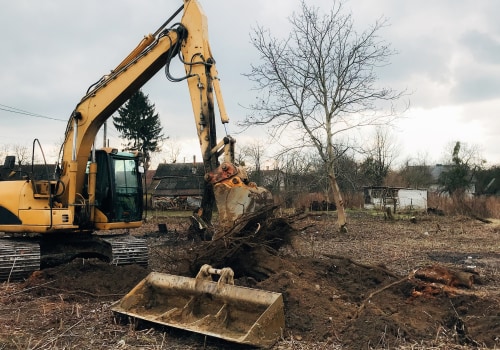
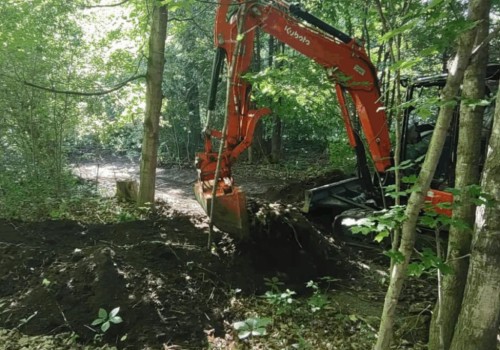
- Excavators: These are heavy-duty machines equipped with a bucket and arm that can dig deep into the ground. Excavators are particularly useful for removing large tree stumps and roots, making them a staple in tree excavation.
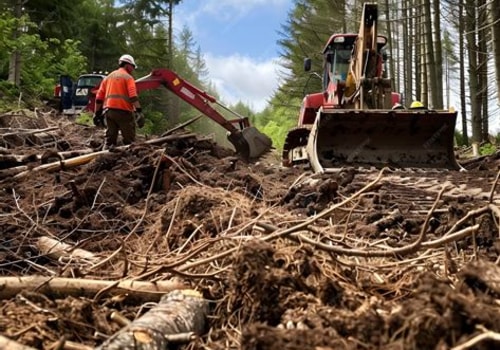
- Skid Steer Loaders: Compact and versatile, skid steer loaders can maneuver in tight spaces. They are often used for lighter excavation tasks, such as clearing smaller trees or preparing the site for further work.
- Chainsaws: Before excavation begins, chainsaws are essential for cutting down trees. They allow for precise cuts and can handle various tree sizes, making them indispensable in the initial stages of tree excavation.
- Stump Grinders: After a tree has been removed, stump grinders are used to eliminate the remaining stump.
These machines grind the stump down to below ground level, allowing for a clean finish and preventing future growth.
- Hand Tools: In addition to heavy machinery, hand tools like shovels, picks, and axes play a vital role in tree excavation. They are often used for detailed work around roots or in areas where machinery cannot reach.
By utilizing the right machinery and hand tools, professionals can achieve optimal results while maintaining safety standards.
Environmental Considerations in Tree Excavation
Tree excavation is a process that can have significant environmental impacts, particularly when not conducted with care. The removal of trees can lead to soil erosion, loss of habitat for wildlife, and disruption of local ecosystems. Understanding these implications is crucial for implementing sustainable tree excavation practices.One of the primary concerns associated with tree excavation is the potential for soil degradation. When trees are removed, the soil structure can be compromised, leading to increased runoff and erosion.This not only affects the immediate area but can also impact nearby water bodies through sedimentation and nutrient loading.
Implementing Sustainable Practices
To mitigate these negative effects, it is essential to adopt sustainable tree excavation practices. Here are some strategies:- Site Assessment: Conduct thorough assessments to understand the ecological value of the area before proceeding with excavation.
- Selective Removal: Instead of clear-cutting, consider selective removal of trees that are diseased or pose a risk while preserving healthy ones.
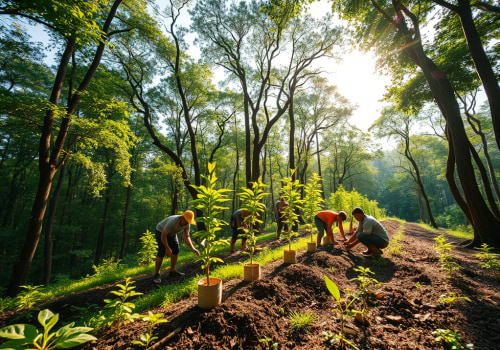
- Replanting: After excavation, replanting native species can help restore the ecosystem and provide habitat for local wildlife.
- Soil Conservation Techniques: Use methods such as silt fencing and erosion control blankets to protect soil during and after the excavation process.
By implementing sustainable practices and prioritizing eco-friendly methods, we can minimize negative impacts and promote a healthier environment.
Common Myths About Tree Excavation
When it comes to tree excavation, several myths and misconceptions can cloud judgment and lead to poor decision-making. Understanding the truth behind these myths is essential for homeowners and property managers alike.- Myth 1: Tree excavation is always harmful to the environment. Many believe that removing a tree through excavation will cause irreversible damage to the surrounding ecosystem. In reality, tree excavation can be necessary for promoting healthier growth in nearby plants and trees, especially when a tree is diseased or poses a safety risk.
- Myth 2: All tree removal requires excavation. Not all trees need to be excavated for removal. In some cases, trees can be cut down without extensive digging, especially if they are small or in a location where roots are not deeply embedded.
Understanding the specific needs of each tree is crucial.
- Myth 3: Excavation is a quick and easy process. Many people underestimate the complexity of tree excavation. It often involves careful planning, specialized equipment, and skilled labor to ensure that the job is done safely and effectively. Rushing this process can lead to accidents or damage to surrounding structures.
- Myth 4: Tree excavation is only necessary for large trees. While larger trees may require more extensive excavation, smaller trees can also necessitate this process if their roots are causing damage to foundations or underground utilities. Ignoring these issues can lead to more significant problems down the line.
Always consult with a professional arborist or tree removal service to assess the specific needs of your landscape.
Conclusion: The Necessity of Tree Excavation in Modern Landscaping
In conclusion, tree excavation is a critical process in modern landscaping that serves multiple purposes. As we have explored, the necessity of this practice extends beyond mere aesthetics; it plays a vital role in ensuring the health and safety of both the landscape and its inhabitants. One of the primary reasons for tree excavation is to remove trees that pose a risk to structures or public safety. Dead or diseased trees can become hazardous, especially during storms or high winds. By excavating these trees, property owners can prevent potential damage and liability issues. Additionally, tree excavation is essential when it comes to landscape redesign.Whether you are looking to create more space for new plantings or to install hardscaping features, removing existing trees can be necessary to achieve your desired layout. This process allows for better sunlight exposure and improved soil conditions for new plants. Moreover, understanding the proper techniques for tree excavation is crucial. Improper removal can lead to soil erosion, damage to surrounding plants, and even harm to underground utilities. Therefore, hiring professionals who are knowledgeable about the best practices in tree excavation is highly recommended. Ultimately, recognizing the importance of tree excavation not only enhances the beauty of your landscape but also contributes to its overall health and sustainability.
By prioritizing this practice, homeowners and landscapers alike can ensure a thriving environment that meets both aesthetic and functional needs.