When it comes to tree excavation, the process is far more intricate than simply uprooting a tree from the ground. It involves a careful assessment of the tree's health, its surrounding environment, and the potential impact on local ecosystems. This is where the expertise of an arborist becomes invaluable. Arborists are trained professionals who specialize in the care and management of trees, ensuring that any excavation work is conducted safely and effectively. The role of an arborist in tree removal and excavation extends beyond just cutting down trees.
They evaluate the structural integrity of the tree, identify any diseases or pests, and determine the best methods for removal or relocation. Their knowledge helps prevent damage to nearby plants, structures, and even underground utilities during the excavation process. By employing their skills, arborists can mitigate risks associated with tree removal, making them essential partners in any excavation project. Moreover, arborists play a crucial role in promoting sustainable practices in tree care. They can recommend alternative solutions to complete removal, such as pruning or cabling, which may preserve the tree while still addressing safety concerns.
Understanding the complexities of tree excavation not only highlights the importance of professional involvement but also emphasizes the need for responsible management of our green spaces.
What is Tree Excavation?
Tree excavation refers to the process of removing a tree from its location, including the roots and surrounding soil, to facilitate construction, landscaping, or other land-use changes. This process is not merely about cutting down a tree; it involves careful planning and execution to ensure minimal disruption to the surrounding environment.The tree excavation process typically involves several key steps:- Assessment: An arborist evaluates the tree's health, size, and location to determine the best approach for excavation.
- Preparation: This includes marking the area, securing necessary permits, and notifying utility companies to avoid damaging underground lines.
- Excavation: Using specialized equipment, the arborist carefully removes the tree along with its root system. This may involve digging around the roots to minimize damage.
- Site Restoration: After removal, the area may need to be filled or landscaped to restore its appearance and functionality.
- Construction Projects: When building new structures or expanding existing ones, trees may need to be removed to make way for foundations or utilities.
- Landscaping Changes: Homeowners may wish to redesign their yards, which can involve removing trees that no longer fit the desired aesthetic or functional layout.
- Disease Management: Trees that are diseased or infested can pose risks to nearby healthy trees and plants, making excavation a necessary step in disease control.
It ensures that trees are removed safely and responsibly while considering environmental impacts and future land use.
The Role of an Arborist in Tree Excavation
When it comes to tree excavation, the role of an arborist is crucial for ensuring the process is conducted safely and effectively. Arborists are trained professionals who specialize in the care and management of trees, and their expertise is invaluable during excavation projects.Assessment and Planning
- Before any excavation begins, an arborist conducts a thorough assessment of the tree and its surrounding environment. This includes evaluating the tree's health, structural integrity, and potential risks associated with its removal.
- They also consider factors such as soil conditions, nearby structures, and utility lines to develop a comprehensive plan that minimizes damage to the landscape.
Safe Removal Techniques
- Arborists employ specialized techniques for tree excavation, ensuring that the tree is removed with minimal impact on the surrounding area. This may involve using cranes or other equipment to carefully lower large branches or sections of the tree.
- They are trained in rigging and climbing techniques, which allows them to navigate complex situations safely.
Post-Excavation Care
- After the tree has been excavated, arborists play a vital role in assessing the site for potential replanting or restoration.
They can recommend suitable replacement trees that will thrive in the given environment.
- Additionally, they provide guidance on soil health and maintenance practices to ensure that the area remains vibrant and supports new growth.
Key Skills and Qualifications of Arborists
When it comes to tree excavation, the role of an arborist is crucial, and their qualifications and skills significantly impact the success of the project. Arborists are trained professionals who specialize in the care and management of trees, and their expertise is essential for ensuring that tree excavation is performed safely and effectively.Key Skills Required for Arborists:
- Tree Biology Knowledge: Understanding the biology of trees helps arborists assess the health and stability of a tree before excavation.
- Risk Assessment: Arborists must evaluate potential hazards associated with tree removal, including proximity to structures and power lines.
- Technical Skills: Proficiency in using specialized equipment, such as chainsaws and stump grinders, is vital for safe excavation.
- Physical Fitness: The job often requires physical strength and stamina to handle heavy equipment and perform manual labor.
- Problem-Solving Abilities: Arborists must think critically to devise effective strategies for challenging excavation scenarios.
Qualifications of a Certified Arborist:
A certified arborist has undergone rigorous training and testing to demonstrate their knowledge and skills in tree care. Certification typically requires:
- Education: A background in forestry, horticulture, or a related field is often preferred.
- Experience: Hands-on experience in tree care practices is essential, often gained through internships or apprenticeships.
- Certification Exam: Passing a comprehensive exam administered by a recognized organization, such as the International Society of Arboriculture (ISA), validates their expertise.
Their specialized training equips them with the knowledge to make informed decisions that protect both the environment and property during the excavation process.
The Tree Excavation Process: Step-by-Step
Tree excavation is a meticulous process that requires careful planning and execution to ensure the health of the surrounding environment and the safety of the workers involved. Below is a step-by-step guide on how to properly excavate a tree.- Assessment and Planning: Before any physical work begins, an arborist will assess the tree's condition and its surroundings. This includes evaluating the tree's health, size, and root structure, as well as identifying any potential hazards such as nearby structures or utility lines.
- Preparation: Once the assessment is complete, the area around the tree will be cleared of debris and obstacles. This may involve removing smaller plants or landscaping features that could interfere with the excavation process.
- Marking Boundaries: The arborist will mark the boundaries of the excavation site.
This helps in defining the area where digging will occur and ensures that no damage is done to adjacent plants or structures.
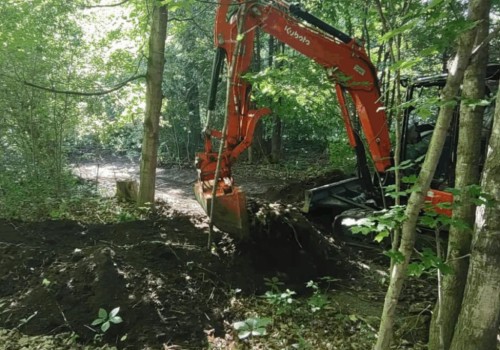
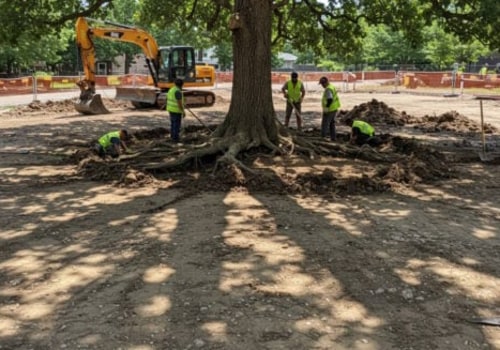
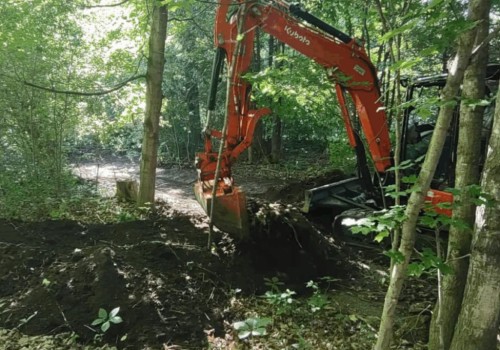
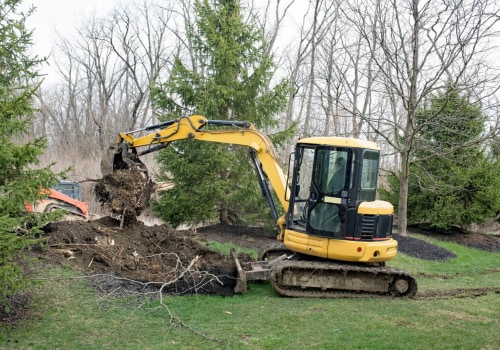
- Excavation: Using specialized equipment, such as an excavator or backhoe, the arborist will begin to dig around the base of the tree. It’s crucial to dig carefully to avoid damaging the roots. The goal is to expose as much of the root system as possible without causing unnecessary harm.
- Root Pruning: If necessary, some roots may need to be pruned to facilitate removal. This should be done with precision to minimize stress on the tree and surrounding ecosystem.
- Tree Removal: Once adequately excavated, the tree can be removed from its location.
This step may require additional equipment depending on the size and weight of the tree.
- Post-Excavation Care: After removal, it’s essential to care for the site. This may involve filling in the hole with soil, planting new vegetation, or implementing erosion control measures to protect against runoff.
Common Challenges in Tree Excavation and How Arborists Overcome Them
Tree excavation is a complex process that often presents various challenges, requiring the expertise of a professional arborist to navigate effectively. Understanding these challenges is crucial for ensuring the health of surrounding vegetation and the safety of the excavation site.- Root Damage: One of the primary challenges in tree excavation is the potential for root damage. Excavating near a tree can harm its root system, leading to instability or even death.
Arborists assess the root structure and implement techniques such as root pruning to minimize damage while allowing for safe excavation.
- Soil Conditions: The type of soil can significantly impact excavation efforts. Compacted or rocky soil can hinder equipment and increase the risk of accidents. Arborists are trained to evaluate soil conditions and may recommend soil amendments or alternative excavation methods to facilitate a smoother process.
- Proximity to Structures: Trees located near buildings or other structures pose a unique challenge during excavation. Arborists utilize their knowledge of tree biology and structural engineering to devise strategies that protect both the tree and nearby structures, often employing precision removal techniques.
- Environmental Considerations: Excavation can disrupt local ecosystems, affecting wildlife habitats and plant life.
Arborists are skilled in identifying these ecological impacts and can suggest measures to mitigate them, such as creating buffer zones or relocating plants.
FAQs About Arborists and Tree Excavation
When it comes to tree excavation, many people have questions about the role of an arborist. Here are some frequently asked questions that can help clarify their responsibilities and expertise.- What is an arborist? An arborist is a professional who specializes in the care and maintenance of trees.
They are trained to understand tree biology, health, and the best practices for tree management, including tree excavation.
- Why is an arborist important for tree excavation? Arborists play a crucial role in ensuring that tree excavation is done safely and effectively. They assess the health of the tree, determine the best methods for removal, and ensure that surrounding vegetation and soil are not adversely affected.
- Can I perform tree excavation without an arborist? While it may be tempting to handle tree excavation on your own, it is highly recommended to consult with an arborist. They have the expertise to identify potential hazards and can provide guidance on local regulations regarding tree removal.
- What should I look for when hiring an arborist? When hiring an arborist for tree excavation, look for certifications from recognized organizations, experience in tree care, and positive reviews from previous clients. A qualified arborist will also provide a detailed plan for the excavation process.
- How does an arborist assess a tree for excavation? An arborist will evaluate the tree's health, size, location, and proximity to structures or other plants.
They will also consider factors such as soil conditions and potential impact on the environment before proceeding with tree excavation.
Conclusion: The Importance of Arborists in Safe Tree Excavation
In conclusion, the role of an arborist in tree excavation is not only vital but multifaceted. As we have explored, arborists bring a wealth of knowledge and expertise that ensures the safety and health of both the trees and the surrounding environment during excavation projects. One of the primary responsibilities of an arborist is to assess the condition of the tree prior to excavation. This assessment includes evaluating the tree's health, structural integrity, and potential risks associated with its removal.By identifying these factors early on, arborists can recommend the most appropriate methods for excavation that minimize damage. Furthermore, arborists are skilled in implementing best practices for tree excavation. They understand the importance of preserving the root system and surrounding soil structure, which is crucial for maintaining ecosystem balance. Their expertise helps in planning the excavation process to avoid unnecessary harm to nearby vegetation and wildlife. Additionally, arborists play a critical role in compliance with local regulations and environmental guidelines. They ensure that all necessary permits are obtained and that the excavation process adheres to legal standards, thereby protecting both the property owner and the environment. Ultimately, engaging a qualified arborist for tree excavation not only enhances safety but also promotes sustainable practices.
Their involvement can lead to better outcomes for landscaping projects, ensuring that trees are removed or relocated responsibly while fostering a healthier ecosystem. In summary, the expertise of an arborist is indispensable in navigating the complexities of tree excavation. Their commitment to safety, environmental stewardship, and professional integrity makes them essential partners in any tree-related project.