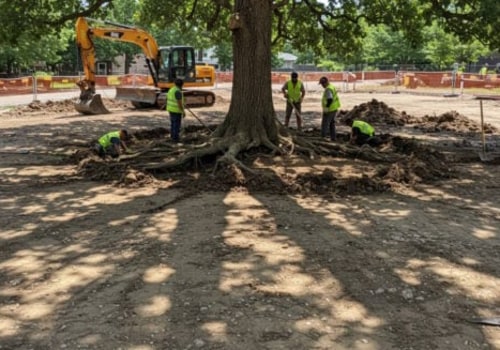
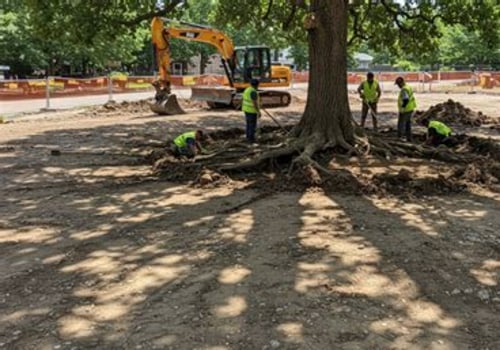
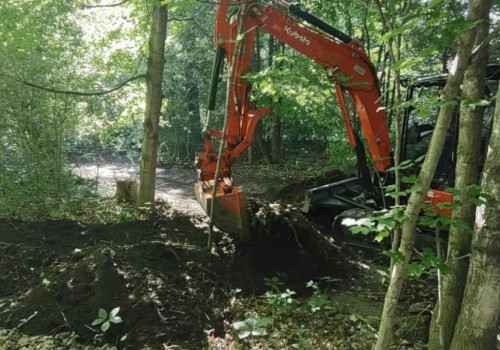
Understanding tree excavation is crucial for anyone involved in landscaping or construction. This process involves the careful removal of a tree from its original location, which can be necessary for various reasons, including site development, safety concerns, or aesthetic improvements. The significance of tree excavation extends beyond mere removal; it plays a vital role in ensuring that the surrounding environment is preserved and that the tree can potentially be relocated rather than destroyed. The tree removal process typically begins with an assessment of the tree's health and stability. Professionals evaluate factors such as the tree's size, species, and root system to determine the best approach for excavation.
This assessment is essential because it influences how the tree will be extracted and whether it can survive the transplanting process. Proper techniques must be employed to minimize damage to the roots, which are critical for the tree's survival after being moved. Moreover, understanding tree excavation is not just about the physical act of removing a tree; it also encompasses planning for its future. In many cases, trees are excavated with the intention of transplanting them to a new location where they can thrive. This requires knowledge of soil conditions, climate compatibility, and ongoing care to ensure successful re-establishment.
By grasping these concepts, individuals can make informed decisions that benefit both their landscaping goals and environmental sustainability.
The Transplanting Process: Can It Be Done?
Transplanting a tree after it has been excavated is indeed possible, but several factors play a crucial role in determining the success of this process. Understanding these factors can help ensure that the tree not only survives but thrives in its new location.Factors Influencing Successful Transplanting
- Tree Species: Some species are more resilient to transplanting than others. For instance, deciduous trees generally adapt better than conifers.
- Size of the Tree: Larger trees have more extensive root systems, making them harder to transplant successfully. Smaller trees are often easier to manage and have a higher survival rate.
- Root Ball Preparation: The way the root ball is prepared during excavation is critical.
A well-prepared root ball that retains sufficient soil and roots increases the chances of survival.
- Timing: The best time to transplant a tree is during its dormant season, typically in early spring or late fall. This minimizes stress on the tree and allows it to establish roots before the growing season.
The Tree Transplanting Process
The process of transplanting begins with careful excavation. It’s essential to dig around the root zone, ideally maintaining a diameter of at least 1-2 feet for every inch of trunk diameter. Once excavated, the tree should be moved promptly to minimize exposure to air and sunlight, which can dry out the roots.After relocating, place the tree in a pre-dug hole that is wider than the root ball but not deeper than its original planting depth.
Backfill with native soil and water thoroughly to eliminate air pockets. Mulching around the base can help retain moisture and regulate soil temperature.
Tree Survival After Transplanting
Post-transplant care is vital for survival. Regular watering is essential, especially during dry spells, as newly transplanted trees are more susceptible to drought stress. Additionally, monitoring for pests and diseases can help ensure that the tree remains healthy as it acclimates to its new environment.In conclusion, while it is feasible to transplant a tree after it has been excavated, success hinges on careful planning and execution throughout the entire process.
By considering species type, size, timing, and proper care, you can significantly enhance the likelihood of your tree thriving in its new home.
Factors Affecting Tree Transplant Success
Transplanting a tree after excavation can be a delicate process, and several factors play a crucial role in determining the success of the transplant. Understanding these factors can significantly enhance the chances of survival and growth for the relocated tree.Tree Health
The overall health of the tree is perhaps the most critical factor influencing transplant success. A tree that is already stressed due to disease, pests, or environmental conditions may struggle to adapt to a new location. Before excavation, it is essential to assess the tree's vitality by checking for signs of disease, such as discolored leaves, wilting, or unusual growth patterns.Trees in good health are more likely to recover quickly after being transplanted.
Soil Conditions
The type and condition of the soil at both the original and new locations are vital for successful transplantation. Trees require specific soil types that provide adequate drainage and nutrients. If the soil at the new site is compacted or lacks essential nutrients, it can hinder root development and overall growth. Conducting a soil test before transplanting can help determine if amendments are necessary to create a suitable environment for the tree.Timing of Transplant
The timing of the transplant also significantly affects success rates.The best time to transplant most trees is during their dormant season, typically in late fall or early spring. During these periods, trees are less stressed and can focus their energy on establishing roots in their new location. Transplanting during extreme weather conditions, such as high heat or frost, can lead to additional stress and reduce survival rates.In summary, ensuring a healthy tree, assessing soil conditions, and choosing the right time for transplanting are all essential factors that influence the success of a tree after excavation. By paying attention to these elements, you can improve the likelihood of a thriving transplanted tree.
Best Practices for Transplanting Trees After Excavation
Transplanting a tree after excavation can be a delicate process, but with the right practices, it can lead to successful establishment in a new location.Here are some best practices to follow:
Before Transplanting
- Assess the Tree's Health: Ensure that the tree is healthy and free from diseases or pests. A stressed tree may not survive the transplant.
- Choose the Right Time: The best time to transplant trees is during their dormant season, typically in early spring or late fall. This minimizes stress and promotes root establishment.
- Prepare the New Site: Select a suitable location that meets the tree's sunlight, soil, and space requirements. Prepare the planting hole in advance, making it twice as wide as the root ball.
During Transplanting
- Excavate Carefully: When excavating, aim to preserve as many roots as possible.
Use a sharp spade to cut around the root zone and lift the tree gently.
- Keep Roots Moist: Wrap the root ball in burlap or plastic to retain moisture during transport. Avoid letting the roots dry out.
- Avoid Disturbing Roots: Minimize handling of the roots to prevent damage. If necessary, prune any broken or excessively long roots before planting.
After Transplanting
- Water Thoroughly: After planting, water the tree deeply to help settle the soil around the roots and eliminate air pockets.
- Add Mulch: Apply a layer of mulch around the base of the tree to retain moisture and suppress weeds. Keep mulch away from the trunk to prevent rot.
- Monitor for Stress: Keep an eye on your transplanted tree for signs of stress, such as wilting leaves or stunted growth.
Water regularly during dry spells and consider using a tree support system if needed.
Common Mistakes to Avoid When Transplanting Trees
Transplanting a tree can be a rewarding endeavor, but it comes with its own set of challenges. To ensure the health and survival of your tree after tree excavation, it’s crucial to avoid common mistakes that can lead to transplant shock or even death of the tree.- Neglecting the Root Ball Size: One of the most frequent errors is not excavating a large enough root ball. A root ball that is too small can severely limit the tree's ability to absorb water and nutrients after being transplanted. Aim for a root ball that is at least 10-12 inches in diameter for every inch of trunk diameter.
- Timing the Transplant Incorrectly: The timing of your transplant is critical.
Transplanting during extreme weather conditions, such as in the heat of summer or during frost, can stress the tree. The best time to transplant is during the dormant season, typically in early spring or late fall.
- Improper Handling: Trees should be handled with care during the excavation and moving process. Lifting a tree by its trunk can damage the roots. Instead, always lift from the root ball to minimize stress on the tree.
- Ignoring Soil Conditions: The soil in which you plant your tree should be well-draining and suitable for its species.
Failing to amend poor soil can lead to waterlogged roots or nutrient deficiencies. Conduct a soil test before planting to ensure optimal conditions.
- Forgetting to Water: After transplanting, many people forget to water their trees adequately. Newly transplanted trees require consistent moisture to establish their roots. Water deeply and regularly for several weeks following the move.
- Lack of Mulching: Applying mulch around the base of the tree can help retain moisture and regulate soil temperature.
However, avoid piling mulch against the trunk, as this can lead to rot.
FAQs About Tree Excavation and Transplanting
When it comes to tree excavation and transplanting, many homeowners and landscapers have questions. Here are some of the most frequently asked questions regarding this process:1.Can a tree survive after being excavated?
Yes, a tree can survive after being excavated, but its chances depend on several factors including the species of the tree, the time of year, and how well the excavation was performed. Generally, trees that are excavated during their dormant season (late fall to early spring) have a higher survival rate.2.How long can a tree survive after being excavated?
A tree can typically survive for a few hours to a couple of days after excavation if it is kept in a suitable environment.It is crucial to keep the roots moist and protected from direct sunlight and wind. If you plan to transplant the tree, aim to do so as soon as possible to minimize stress.
3.What are common mistakes during tree excavation?
- Improper root ball size: Not digging a large enough root ball can severely impact the tree's ability to thrive after transplanting.
- Neglecting soil conditions: Failing to consider the soil type and moisture levels can lead to complications during and after the transplant.
- Timing: Excavating during extreme weather conditions can stress the tree and reduce its chances of survival.
4.What should I do immediately after excavation?
After excavation, it’s essential to:- Wrap the root ball in burlap or plastic to retain moisture.
- Keep the tree in a shaded area until it is ready for replanting.
- Water the roots lightly if they appear dry.
Conclusion: Key Takeaways on Tree Excavation and Transplanting
In conclusion, the process of tree excavation and subsequent transplanting is indeed feasible, but it requires careful planning and execution to ensure the health and survival of the tree. Here are the key takeaways to consider:- Timing is Crucial: The best time for tree excavation is during the dormant season, typically in late fall or early spring. This minimizes stress on the tree and increases the chances of successful transplanting.
- Root Ball Preparation: A well-prepared root ball is essential.
The size of the root ball should be proportional to the size of the tree, generally about 10-12 inches in diameter for every inch of trunk diameter.
- Soil Conditions: Ensure that both the original and new planting sites have suitable soil conditions. Well-draining soil rich in organic matter will support recovery and growth.
- Watering Practices: Post-transplant care is vital. Regular watering, especially during dry spells, helps the tree establish its roots in the new location.
- Professional Help: If unsure about the process, consider hiring professionals who specialize in tree excavation and transplanting. Their expertise can significantly enhance success rates.
Remember that each tree is unique, and factors such as species, age, and health will influence the outcome. With proper care and attention, your transplanted tree can thrive in its new environment.