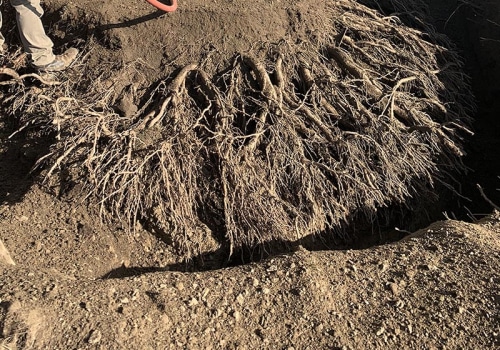
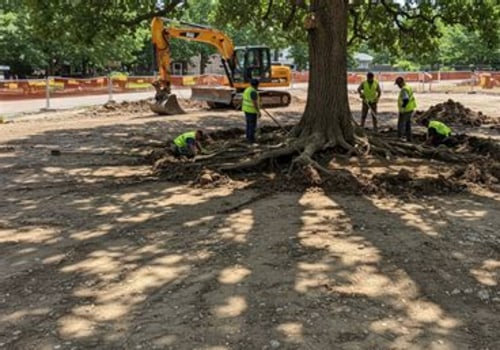
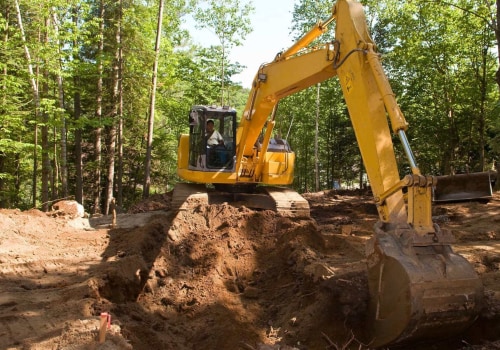
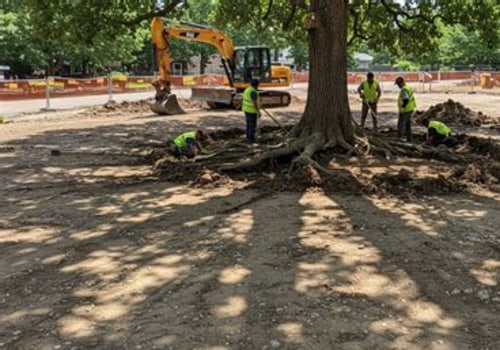
Tree excavation is a critical process in both landscaping and construction, involving the careful removal of trees to make way for new developments or to enhance the aesthetic appeal of a property. Understanding tree excavation is essential for homeowners, landscapers, and construction professionals alike, as it not only impacts the immediate environment but also influences long-term land use and safety. Properly executed tree excavation can prevent potential hazards, such as falling branches or root damage to nearby structures, while also ensuring that the surrounding ecosystem remains balanced. When discussing tree removal safety, it is important to recognize that this process goes beyond simply cutting down a tree. It encompasses a range of activities including assessing the tree's health, evaluating its surroundings, and planning the excavation method.
Each of these steps plays a vital role in minimizing risks associated with tree removal. For instance, understanding the tree's root system can help prevent damage to underground utilities and ensure that the excavation does not destabilize nearby structures. As we delve deeper into the topic of tree excavation, we will explore various safety precautions that should be taken during this process. These precautions are not only designed to protect workers and bystanders but also to preserve the integrity of the landscape. By prioritizing safety, we can ensure that tree excavation is conducted efficiently and responsibly, paving the way for successful landscaping and construction projects.
Pre-Excavation Safety Assessments
Before embarking on tree excavation, conducting thorough pre-excavation safety assessments is crucial to ensure a safe and efficient process.These assessments help identify potential hazards and comply with local regulations, ultimately protecting both workers and the surrounding environment.
Site Assessment
A comprehensive site assessment should be the first step in the pre-excavation process. This involves:- Identifying Hazards: Look for overhead power lines, underground utilities, and nearby structures that could pose risks during excavation.
- Evaluating Soil Conditions: Assess the soil type and stability to determine if it can support excavation equipment without risk of collapse.
- Checking for Wildlife: Ensure that the area is free from nesting birds or other wildlife that could be disturbed during the excavation.
Risk Evaluation
Once the site has been assessed, a detailed risk evaluation should be conducted. This includes:- Documenting Findings: Keep a record of all identified hazards and conditions that may affect the excavation process.
- Implementing Safety Measures: Develop a plan to mitigate identified risks, such as using protective barriers or scheduling work during off-peak hours to minimize exposure to hazards.
- Training Workers: Ensure that all personnel involved in the excavation are trained on safety protocols and aware of potential risks associated with tree excavation.
Compliance with these regulations not only ensures legal adherence but also promotes environmental stewardship.In summary, conducting thorough pre-excavation safety assessments through site evaluations and risk assessments is vital for a successful tree excavation project. By prioritizing safety and regulatory compliance, you can significantly reduce the likelihood of accidents and ensure a smoother excavation process.
Personal Protective Equipment (PPE) for Tree Excavation
When it comes to tree excavation, ensuring the safety of workers is paramount. One of the most effective ways to achieve this is through the use of appropriate personal protective equipment (PPE). The right safety gear not only protects against physical injuries but also enhances overall work efficiency.- Hard Hats: A hard hat is essential for protecting the head from falling branches or debris during excavation.
It should meet the safety standards set by OSHA.
- Safety Glasses: Eye protection is crucial, especially when using power tools or when branches are being cut. Safety glasses can prevent injuries from flying particles.
- Hearing Protection: Tree excavation often involves loud machinery. Using earplugs or earmuffs can help protect hearing from prolonged exposure to high noise levels.
- Gloves: Heavy-duty gloves are necessary to protect hands from cuts, scrapes, and blisters while handling tools and materials. Look for gloves that offer both grip and dexterity.
- Steel-Toed Boots: Footwear should be sturdy and provide ankle support.
Steel-toed boots protect against heavy objects that may fall during excavation.
- High-Visibility Clothing: Wearing bright, reflective clothing ensures that workers are easily seen, especially in areas with vehicular traffic or low visibility conditions.
- Respirators: In cases where dust or harmful particles are present, respirators can provide necessary protection for the lungs.
Tools and Equipment Safety Guidelines
When it comes to tree excavation, the right tools and equipment are essential for both efficiency and safety. Understanding how to properly use these tools can significantly reduce the risk of accidents and injuries on the job site.- Personal Protective Equipment (PPE): Always wear appropriate PPE, including hard hats, gloves, safety goggles, and steel-toed boots.
This gear protects against falling debris and sharp tools.
- Excavation Tools: Common tools used in tree excavation include chainsaws, stump grinders, and shovels. Ensure that all tools are well-maintained and inspected before use.
- Chainsaw Safety: When using a chainsaw, always follow the manufacturer's instructions. Keep the blade sharp and ensure that the chain brake is functional. Use two hands to operate the saw and maintain a firm grip.
- Stump Grinder Operation: Before operating a stump grinder, familiarize yourself with its controls.
Always keep bystanders at a safe distance and avoid operating on slopes or uneven ground.
- Tool Handling: When handling tools, always carry them properly. For example, when transporting a chainsaw, keep the blade pointed downwards and ensure it is turned off. Avoid distractions while using any equipment.
- Equipment Maintenance: Regularly check all equipment for wear and tear. Replace any damaged parts immediately to prevent malfunctions during operation.
Proper training on tool usage and regular safety meetings can further enhance awareness among team members, reducing the likelihood of accidents.
Environmental Considerations During Tree Excavation
When planning for tree excavation, it is crucial to consider the environmental impact of the process. Trees play a vital role in maintaining ecological balance, and their removal can lead to significant consequences if not managed properly.One of the primary concerns during tree excavation is the potential disruption to local wildlife habitats. Many species rely on trees for shelter, food, and breeding grounds. To mitigate this impact, it is essential to conduct a thorough assessment of the area before excavation begins.This includes:
- Wildlife Surveys: Conduct surveys to identify any endangered or protected species that may inhabit the area.
- Timing of Excavation: Schedule tree removal during seasons when wildlife activity is minimal, such as outside of nesting periods.
- Erosion Control Measures: Implement silt fences or other erosion control methods to protect soil integrity.
- Soil Testing: Test the soil for contaminants before excavation to ensure that the surrounding ecosystem remains safe.
Familiarizing yourself with these regulations can help avoid legal issues and promote responsible practices.In conclusion, taking environmental considerations into account during tree excavation is essential for minimizing ecological damage. By conducting wildlife surveys, implementing erosion control measures, and adhering to local regulations, you can ensure that your excavation project is both effective and environmentally responsible.
Emergency Procedures and First Aid Measures
During tree excavation, having a clear set of emergency procedures is crucial to ensure the safety of all personnel involved. These procedures should be established before any excavation work begins and communicated effectively to all team members.Emergency Procedures:
- Establish a Safety Zone: Create a designated area around the excavation site where only authorized personnel are allowed. This minimizes the risk of accidents.
- Emergency Contact List: Maintain an updated list of emergency contacts, including local emergency services, medical facilities, and key personnel on-site.
- First Aid Kit Accessibility: Ensure that a fully stocked first aid kit is readily available on-site and that all workers know its location.
- Regular Safety Drills: Conduct regular drills to familiarize the team with emergency procedures, ensuring everyone knows how to respond in case of an accident.
First Aid Measures for Excavation Accidents:
- Assess the Situation: Quickly evaluate the nature of the injury or incident.
Ensure that it is safe to approach the injured person.
- Call for Help: If the injury is serious, call emergency services immediately. Provide them with clear information about the location and nature of the incident.
- Administer Basic First Aid: For minor injuries, such as cuts or scrapes, clean the wound with water and apply a sterile bandage. For more severe injuries, such as fractures or severe bleeding, apply pressure to control bleeding and immobilize the injured area until professional help arrives.
- Document the Incident: After addressing immediate needs, document what happened, including details about the incident and any actions taken. This information can be vital for future safety improvements.
Common Risks and How to Mitigate Them
Tree excavation can pose several risks that, if not properly managed, can lead to accidents and injuries.Understanding these risks is crucial for anyone involved in the process, whether they are professionals or homeowners. One of the most significant risks during tree excavation is the potential for falling branches or debris. As trees are uprooted, branches can break off and fall, posing a danger to workers and bystanders. To mitigate this risk, it is essential to establish a safety perimeter around the excavation site. This area should be clearly marked and restricted to authorized personnel only. Another common risk is the possibility of equipment accidents.
Heavy machinery used in tree excavation can be dangerous if not operated correctly. To prevent accidents, operators should undergo proper training and adhere to all safety protocols. Regular maintenance checks on equipment can also help ensure that machinery is functioning safely. Additionally, there is a risk of underground utility damage. Before beginning any excavation work, it is vital to locate and mark any underground utilities such as gas lines, water pipes, or electrical cables.
This can be done by contacting local utility companies for assistance. Taking these precautions can prevent costly repairs and potential hazards. Lastly, personal protective equipment (PPE) is essential during tree excavation. Workers should wear hard hats, gloves, eye protection, and steel-toed boots to minimize the risk of injury. Ensuring that all team members are equipped with the necessary PPE can significantly reduce the likelihood of accidents. In summary, recognizing the common risks associated with tree excavation and implementing effective risk mitigation strategies can enhance safety for everyone involved.
By establishing safety perimeters, ensuring proper equipment operation, locating underground utilities, and utilizing appropriate PPE, the dangers associated with tree excavation can be significantly reduced.
FAQs About Tree Excavation Safety Precautions
When it comes to tree excavation, safety is paramount. Here are some frequently asked questions that can help clarify the necessary precautions:What are the primary safety precautions for tree excavation?
Before starting any tree excavation project, ensure that you:- Conduct a thorough site assessment to identify potential hazards, such as nearby power lines or unstable ground.
- Wear appropriate personal protective equipment (PPE), including hard hats, gloves, and safety goggles.
- Use proper tools and machinery that are well-maintained and suitable for the job.
How can I ensure the safety of bystanders during tree excavation?
To protect bystanders:- Establish a safety perimeter around the excavation site, clearly marking it with cones or tape.
- Communicate with nearby residents or workers about the excavation schedule and potential hazards.
- Ensure that all personnel on-site are trained in emergency procedures in case of an accident.
What should I do if I encounter unexpected obstacles during tree excavation?
If you come across unexpected obstacles, such as underground utilities or large rocks:- Stop work immediately and assess the situation carefully.
- Contact local utility companies to verify the presence of underground lines.
- Consider consulting with a professional arborist or excavation expert for guidance on how to proceed safely.
Conclusion: Key Takeaways on Tree Excavation Safety
In conclusion, ensuring safety during tree excavation is paramount for both the workers involved and the surrounding environment. By adhering to the outlined safety precautions, you can significantly reduce the risk of accidents and injuries.Key Takeaways:- Proper Planning: Before commencing any excavation work, it is essential to conduct a thorough assessment of the site.
This includes identifying potential hazards such as nearby power lines, underground utilities, and the condition of the tree itself.
- Use of Personal Protective Equipment (PPE): Always wear appropriate PPE, including hard hats, gloves, eye protection, and steel-toed boots. This gear is crucial in protecting workers from falling debris and other hazards.
- Training and Supervision: Ensure that all personnel involved in the excavation are adequately trained in safety protocols and procedures. Regular supervision can help maintain safety standards throughout the project.
- Equipment Safety: Utilize well-maintained equipment and machinery specifically designed for tree excavation. Regular inspections can prevent mechanical failures that could lead to accidents.
- Emergency Preparedness: Have an emergency response plan in place.
This should include first aid measures and contact information for local emergency services.