Tree excavation is a critical process in both landscaping and construction, involving the careful removal of trees and their root systems to make way for new developments or to enhance existing landscapes. Understanding tree excavation is essential for anyone involved in land management, as it not only affects the immediate area but also has long-term implications for soil health, local ecosystems, and the overall aesthetic of a property. The importance of tree excavation cannot be overstated. It plays a vital role in preparing sites for construction, ensuring that foundations are stable and that there is adequate space for new structures. Additionally, proper excavation techniques can prevent damage to surrounding vegetation and minimize soil erosion, which is crucial for maintaining the integrity of the landscape.
Moreover, tree excavation can help in managing invasive species that threaten native flora, thereby promoting biodiversity. As we delve deeper into this topic, we will explore the various tools used in tree excavation, each designed to tackle specific challenges associated with the removal of trees and their roots. From manual tools to heavy machinery, understanding these instruments will provide valuable insights into how professionals approach tree excavation efficiently and safely.
Types of Tree Excavation Tools
When it comes to tree excavation, having the right tools is essential for efficiency and safety. These tools can be broadly categorized into manual and mechanical options, each serving specific purposes in the tree removal process.Manual Tools
- Shovels: A basic yet vital tool for digging around the roots of a tree. They help in loosening the soil and removing smaller roots.
- Hand Saws: Useful for cutting through smaller branches and roots that may obstruct the excavation process.
- Axe: Ideal for chopping through larger roots that are too thick for hand saws.
- Pruners: These are essential for trimming back branches before excavation begins, ensuring a clear working area.
Mechanical Tools
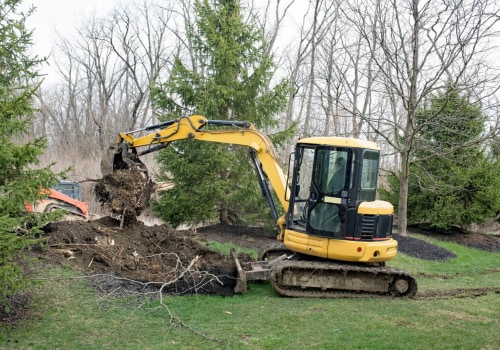
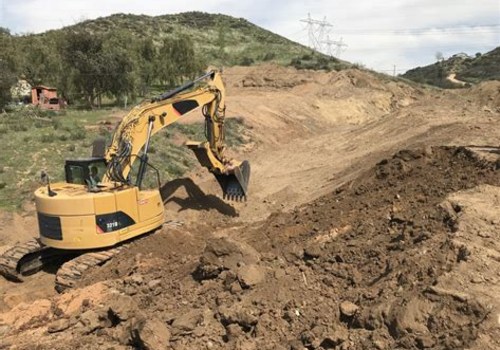
- Excavators: Heavy machinery that can dig deep into the ground, making them perfect for uprooting large trees.
They come equipped with various attachments like buckets and grapples to enhance their functionality.
- Skid Steers: Compact and versatile, skid steers can maneuver in tight spaces and are often used for both digging and transporting debris.
- Stump Grinders: After a tree has been removed, stump grinders are used to grind down the remaining stump below ground level, preventing regrowth and allowing for landscaping.
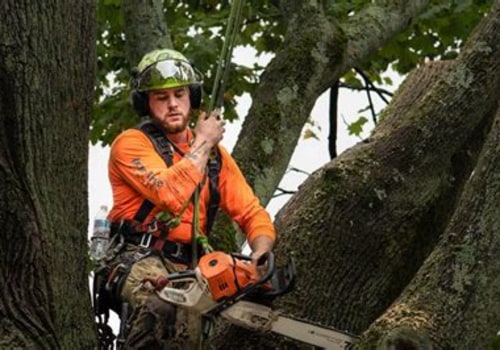
- Chainsaws: While primarily used for cutting down trees, chainsaws are also crucial in the excavation process for removing large branches and trunks efficiently.
Manual Tools for Tree Excavation
When it comes to tree excavation, having the right manual tools can make a significant difference in efficiency and effectiveness. While heavy machinery is often used for larger projects, manual tools are essential for smaller jobs or when precision is required.Here are some of the most common hand tools for tree removal:
- Shovel: A sturdy shovel is indispensable for digging around the roots of a tree. It allows for precise excavation and helps to minimize damage to surrounding plants.
- Axe: An axe is useful for cutting through larger roots that may be obstructing the removal process. Its sharp blade can efficiently sever tough wood, making it easier to extract the tree.
- Saw: A handsaw or pruning saw is ideal for cutting branches and smaller roots. This tool provides better control than power saws, especially in tight spaces.
- Pickaxe: For particularly hard or rocky soil, a pickaxe can break up the ground, making it easier to dig out roots.
This tool is especially helpful in areas where traditional shovels struggle.
- Root Cutter: A specialized tool designed to cut through stubborn roots, a root cutter can save time and effort during the excavation process.
Mechanical Tools for Tree Excavation
When it comes to tree excavation, utilizing the right mechanical tools can significantly enhance the efficiency and effectiveness of the process. Among the most commonly used equipment are excavators, which are essential for large-scale tree removal projects.Excavators
are powerful machines equipped with a long arm and a bucket that can dig deep into the ground, making them ideal for uprooting trees along with their extensive root systems.Their versatility allows operators to adjust attachments, such as grapples or specialized buckets, to suit different excavation needs. This adaptability is particularly beneficial when dealing with various tree sizes and soil conditions.Another crucial tool in the tree excavation arsenal is the stump grinder. After a tree has been removed, stump grinders efficiently grind down the remaining stump and roots below ground level. This not only clears the area for landscaping but also prevents potential hazards associated with protruding stumps.
- Excavators: Ideal for uprooting trees and removing large root systems.
- Stump Grinders: Effective for grinding down stumps and roots after tree removal.
- Bulldozers: Useful for clearing large areas of land, including trees and underbrush.
- Backhoes: Versatile machines that can dig, lift, and move soil or debris around.
For instance, excavators can handle heavy lifting and digging tasks that would be labor-intensive if done manually. This is particularly important in urban areas where space is limited, and precision is key.In conclusion, employing mechanical tools like excavators and stump grinders in tree excavation projects not only enhances productivity but also ensures a cleaner and safer environment post-excavation. By leveraging these advanced machines, landscapers can effectively manage large-scale tree removal while minimizing disruption to surrounding areas.
Safety Equipment for Tree Excavation
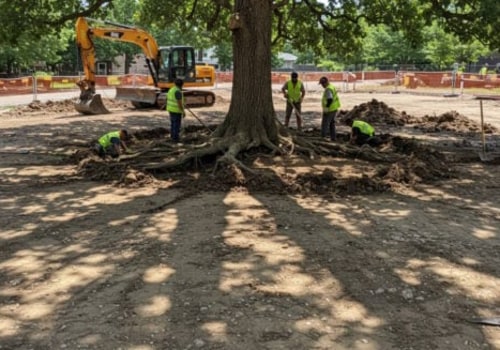
When it comes to tree excavation, ensuring the safety of workers is paramount. The process can be hazardous, involving heavy machinery and the potential for falling branches or debris.Therefore, utilizing the right safety equipment is essential to minimize risks and protect those involved in the operation.
- Helmets: A hard hat is crucial for protecting the head from falling objects. It should meet safety standards and fit securely to provide maximum protection.
- Gloves: Durable gloves are necessary to protect hands from cuts, abrasions, and blisters while handling tools and materials. Look for gloves that offer a good grip and are made from cut-resistant materials.
- Eye Protection: Safety goggles or face shields should be worn to protect against flying debris and dust. This is especially important when using chainsaws or other power tools during the excavation process.
- Hearing Protection: If using loud machinery, earplugs or earmuffs can help prevent hearing damage.
Prolonged exposure to high noise levels can lead to permanent hearing loss.
- Steel-Toed Boots: Footwear with steel toes provides protection against heavy objects that may fall during excavation. Additionally, non-slip soles are important for maintaining traction on uneven surfaces.
Investing in proper gear not only protects individuals but also contributes to a more efficient and successful operation overall.
Choosing the Right Tools for Your Project
When it comes to tree excavation, selecting the right tools is crucial for ensuring efficiency and safety. The choice of tools can significantly impact the success of your project, and several factors should be considered before making a decision.Factors to Consider in Tool Selection
- Project Size: The scale of your excavation project will dictate the type of tools you need. For small trees, hand tools may suffice, while larger trees may require heavy machinery.
- Type of Trees: Different species have varying root structures and densities. For instance, hardwoods like oak may require more robust tools compared to softer woods like pine.
- Soil Conditions: The type of soil can affect tool selection.
Rocky or compacted soil may necessitate specialized equipment such as a backhoe or auger, while looser soil might be manageable with simpler tools.
Best Tools for Tree Removal
Here are some commonly used tools for tree excavation:- Chainsaws: Essential for cutting down trees quickly and efficiently. Ensure you choose a chainsaw that matches the size of the tree.
- Excavators: Ideal for larger projects, excavators can remove trees along with their root systems, making them a powerful option for extensive landscaping work.
- Stump Grinders: After tree removal, stump grinders help eliminate the remaining stumps, allowing for a clean finish to your excavation site.
- Hand Tools: For smaller jobs, tools like shovels, axes, and pruners can be effective in managing tree removal without heavy machinery.
FAQs About Tree Excavation Tools
When it comes to tree excavation, many people have questions about the tools involved in the process. Here are some frequently asked questions that can help clarify your understanding of the equipment used in tree removal.What are the most common tools used for tree excavation?
- Excavators: These heavy machines are essential for digging up large trees and their root systems.
- Chainsaws: Used for cutting down trees and trimming branches before excavation.
- Stump grinders: These tools are specifically designed to grind down tree stumps after the tree has been removed.
- Hand tools: Shovels, picks, and axes may also be used for smaller trees or detailed work around roots.
How do I choose the right tool for my tree excavation project?
Selecting the appropriate tool depends on several factors, including:- The size of the tree: Larger trees typically require heavy machinery like excavators.
- The type of soil: Hard or rocky soil may necessitate more robust tools.
- The location: If the tree is near structures or other obstacles, precision tools may be needed.
Can I perform tree excavation myself?
While some homeowners may attempt tree excavation on their own, it is often advisable to hire professionals.Excavation can be dangerous, especially with large trees, and improper use of tools can lead to accidents or damage to property. Professionals have the experience and equipment necessary to safely and efficiently remove trees.
What safety precautions should I take when using tree excavation tools?
Safety is paramount when working with any excavation tools. Here are some key precautions:- Always wear protective gear, including gloves, goggles, and hard hats.
- Ensure that all tools are in good working condition before use.
- Be aware of your surroundings and keep bystanders at a safe distance.
Conclusion: Mastering Tree Excavation with the Right Tools
In conclusion, tree excavation is a complex process that requires careful planning and the right tools to ensure both efficiency and safety. Throughout this article, we have explored various tools essential for successful tree excavation, including hand tools, power equipment, and safety gear.Each tool plays a critical role in the excavation process, from initial site assessment to the final removal of the tree.Using the appropriate tools not only enhances productivity but also minimizes the risk of accidents and damage to surrounding landscapes. For instance, employing a chainsaw for cutting down trees allows for precision and speed, while excavators can efficiently remove large root systems without excessive manual labor.Moreover, safety gear such as helmets, gloves, and eye protection cannot be overlooked. These items are vital in protecting workers from potential hazards associated with tree excavation. By prioritizing safety and utilizing the right equipment, you can significantly reduce the likelihood of injuries.Ultimately, mastering tree excavation involves understanding the specific requirements of each project and selecting tools that best fit those needs.
Whether you are a professional arborist or a DIY enthusiast, investing in quality tools will lead to better outcomes and a more enjoyable excavation experience.As you embark on your next tree excavation project, remember that the right tools are not just accessories; they are essential components that contribute to your success. Equip yourself wisely, and you will navigate the challenges of tree excavation with confidence.