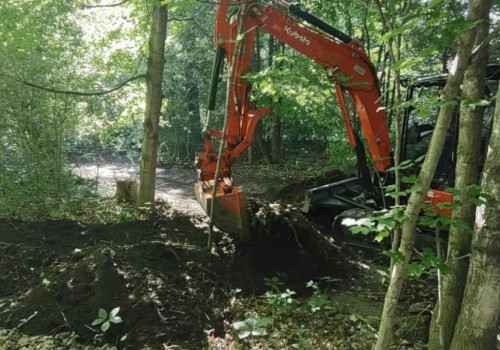
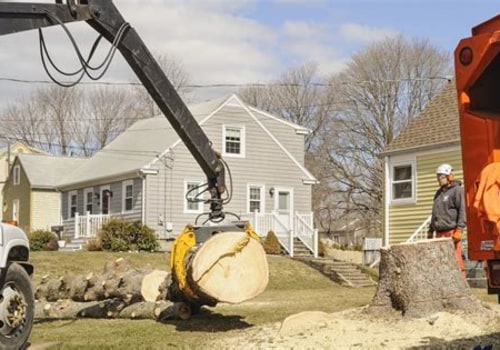
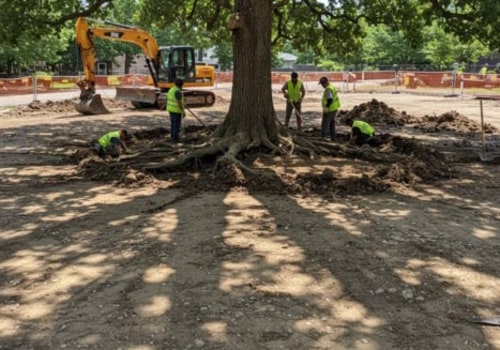
Tree excavation is a critical process in both landscaping and construction, involving the careful removal of trees and their root systems to make way for new developments or to enhance existing landscapes. This procedure is not merely about uprooting a tree; it requires a thorough understanding of the tree excavation process, which includes assessing the tree's health, determining the best methods for removal, and ensuring minimal disruption to the surrounding environment. The significance of tree excavation extends beyond aesthetics. It plays a vital role in site preparation, allowing for proper drainage, soil stabilization, and the creation of space for new structures or landscaping features. Additionally, understanding when to perform tree excavation can greatly influence the success of the project.
Factors such as soil conditions, weather patterns, and the tree's growth cycle all contribute to determining the optimal time for excavation. In this article, we will explore not only what tree excavation entails but also delve into its importance in various contexts. By grasping the nuances of this process and recognizing its timing implications, property owners and landscapers can make informed decisions that lead to healthier landscapes and successful construction projects.
Factors Influencing the Best Time for Tree Excavation
When considering tree excavation, several key factors can significantly influence the optimal timing for this process. Understanding these factors can help ensure a successful excavation while minimizing stress on the tree and surrounding environment.- Climate Conditions: The climate plays a crucial role in determining the best time for tree excavation. Ideally, excavation should occur during the dormant season, which is typically late fall to early spring.
During this period, trees are less active, reducing the risk of shock and promoting better recovery.
- Soil Conditions: Soil moisture levels are another important consideration. Excavating when the soil is too wet can lead to compaction and damage to the root system. Conversely, dry soil can make excavation more challenging. Aim for a time when the soil is moist but not saturated, often found in early spring or after a light rain in fall.
- Tree Species: Different tree species have varying growth patterns and tolerances to disturbance.
For instance, deciduous trees generally fare better when excavated during their dormant phase, while some evergreen species may be more resilient year-round. Researching specific species can provide insights into their ideal excavation timing.
- Local Regulations: Always check local regulations regarding tree excavation. Some areas have restrictions on tree removal during certain seasons to protect wildlife habitats or promote conservation efforts.
Spring: Pros and Cons of Tree Excavation
Spring is often considered a prime time for tree excavation, but it comes with its own set of advantages and disadvantages.Understanding these factors can help homeowners and landscapers make informed decisions.
Advantages of Spring Excavation
- Optimal Soil Conditions: As temperatures rise, the soil begins to thaw and becomes more workable. This can make the excavation process easier and more efficient.
- Active Growth Period: Trees are in a state of active growth during spring, which can help them recover more quickly from the stress of excavation. The increased sap flow can promote healing.
- Less Stress on Trees: Excavating in spring allows for better timing with the tree's natural growth cycle, potentially reducing the shock that can occur when trees are removed or relocated.
Disadvantages of Spring Excavation
- Potential for Heavy Rain: Spring weather can be unpredictable, with heavy rains leading to muddy conditions that complicate excavation efforts and may damage surrounding plants.
- Increased Pest Activity: As temperatures warm, pests become more active. This can pose a risk to both the trees being excavated and any nearby vegetation.
- Limited Visibility: With new growth, it may be harder to assess the health of the tree or its root system, making it challenging to determine the best course of action during excavation.
Careful planning and consideration of local weather patterns can help ensure a successful excavation process during this vibrant season.
Summer: Pros and Cons of Tree Excavation
When considering tree excavation during the summer months, it is essential to weigh both the advantages and disadvantages that this season presents. The warm weather can influence the excavation process significantly.Advantages of Summer Excavation
- Soil Conditions: In many regions, summer brings drier soil conditions, which can make excavation easier. The ground is often less saturated, allowing for more efficient digging and reduced risk of mud-related complications.
- Visibility: With longer daylight hours, visibility is improved, making it easier for workers to see what they are doing. This can enhance safety and precision during the excavation process.
- Tree Health Monitoring: Summer allows for better observation of tree health.
If a tree is diseased or infested, it may be more apparent during this time, prompting timely excavation to prevent further spread.
Disadvantages of Summer Excavation
- Heat Stress: High temperatures can lead to heat stress for both workers and the trees involved. Workers may require more breaks and hydration, potentially slowing down the excavation process.
- Soil Moisture Levels: While drier soil can be beneficial, excessively dry conditions can lead to hard-packed earth, making excavation more labor-intensive. Additionally, if irrigation is not managed properly, surrounding plants may suffer from lack of moisture.
- Pest Activity: Summer often sees an increase in pest activity. Excavating during this time may disturb insect habitats, leading to potential infestations in nearby areas.
Careful planning and consideration of local climate conditions are crucial for successful excavation during this season.
Fall: Pros and Cons of Tree Excavation
When considering tree excavation, fall presents a unique set of advantages and disadvantages that can significantly impact the success of the project. Understanding these factors is crucial for homeowners and landscapers alike.Advantages of Fall Excavation
- Optimal Weather Conditions: Fall typically offers cooler temperatures and reduced humidity, making it easier for excavation crews to work efficiently. The ground is often softer due to seasonal rains, allowing for easier digging.
- Preparation for Winter: Excavating in the fall allows for ample time to prepare the site before winter sets in. This can include planting new trees or shrubs that will establish roots before the cold weather arrives.
- Reduced Stress on Trees: If you are excavating around existing trees, doing so in the fall minimizes stress on them.
Trees are entering dormancy, which means they are less likely to suffer from shock during excavation.
Disadvantages of Fall Excavation
- Shorter Days: As daylight hours decrease, excavation work may be limited. This can lead to rushed jobs or incomplete projects if not managed properly.
- Potential for Early Frost: In some regions, early frost can complicate excavation efforts. Frozen ground can make digging difficult and may require postponing the project until conditions improve.
- Increased Competition: Fall is a popular time for landscaping projects, which means that contractors may be booked up. This could lead to delays in scheduling your tree excavation.
Weighing these pros and cons will help you determine if fall is the right time for your tree excavation needs.
Winter: Pros and Cons of Tree Excavation
When considering tree excavation during the winter months, several unique factors come into play that can significantly influence the success of the operation. Understanding these factors can help landowners and contractors make informed decisions.Advantages of Winter Excavation
- Frozen Ground Conditions: One of the primary benefits of winter excavation is the frozen ground, which can provide a stable base for heavy machinery. This stability reduces the risk of soil compaction and damage to surrounding vegetation.
- Dormant Trees: Trees are typically dormant in winter, meaning they are less susceptible to stress during excavation. This dormancy can lead to a higher survival rate for nearby trees that are not being excavated.
- Reduced Pest Activity: Many pests and diseases that affect trees are less active in colder temperatures, minimizing the risk of infestations during the excavation process.
- Less Competition for Resources: With fewer landscaping projects occurring in winter, contractors may have more availability and flexibility in scheduling tree excavation services.
Disadvantages of Winter Excavation
- Weather Conditions: Harsh winter weather can pose challenges, including snow and ice, which may hinder access to the site or complicate the excavation process.
- Limited Visibility: Shorter daylight hours can limit working time, making it essential to plan excavations carefully to ensure adequate lighting and safety measures are in place.
- Equipment Limitations: Some machinery may not perform optimally in extremely cold temperatures, potentially leading to delays or increased maintenance needs.
For those contemplating tree removal or relocation during this season, weighing these pros and cons is crucial for a successful outcome.
Best Practices for Timing Your Tree Excavation
When planning for tree excavation, timing is crucial to ensure the health of surrounding vegetation and the success of your project. Here are some best practices to consider when scheduling your tree excavation:- Seasonal Considerations: The ideal time for tree excavation is typically during the late fall or early spring. During these seasons, trees are in a dormant state, which minimizes stress and potential damage to the root system.
- Avoiding Nesting Seasons: If your project involves trees that may house wildlife, it’s essential to avoid excavation during nesting seasons, usually spring through early summer. This not only protects local fauna but also complies with environmental regulations.
- Soil Conditions: Ensure that the soil is neither too wet nor too dry.
Excavating in overly saturated soil can lead to compaction and damage to nearby roots, while dry soil can make it difficult to remove the tree effectively. Aim for a balanced moisture level.
- Weather Patterns: Monitor local weather forecasts. Avoid scheduling your excavation during periods of heavy rain or extreme temperatures, as these conditions can complicate the process and affect safety.
- Consult with Professionals: Engage with arborists or tree removal experts who can provide insights based on local conditions and tree species.
- Create a Timeline: Develop a clear timeline that includes preparation, excavation, and post-excavation care. This will help you stay organized and ensure all necessary steps are taken.
- Notify Neighbors: If your excavation may impact neighboring properties, inform them ahead of time.
This fosters good relations and prepares them for any potential disruptions.
Frequently Asked Questions About Tree Excavation Timing
When considering tree excavation, timing is crucial for ensuring the health of the surrounding ecosystem and the success of the excavation process. Here are some frequently asked questions regarding the best time to perform tree excavation:- What is the best season for tree excavation?The ideal time for tree excavation is during late fall to early spring. During these months, trees are typically dormant, which minimizes stress on the tree and surrounding plants. Excavating during this period also reduces the risk of soil compaction and damage to nearby roots.
- Can I excavate trees in summer?While it is possible to excavate trees in summer, it is generally not recommended.
The heat can stress the trees, making them more susceptible to disease and pests. If summer excavation is necessary, ensure adequate watering and care post-excavation.
- Are there any weather conditions to avoid?Yes, avoid performing tree excavation during wet or overly dry conditions. Wet soil can lead to instability and increased risk of damage, while dry conditions can stress the tree and hinder recovery.
- How does tree species affect excavation timing?Different species have varying dormancy periods. For instance, deciduous trees typically enter dormancy in late fall, while some evergreen species may not have a distinct dormancy period.
Researching specific species can help determine the best timing for excavation.
Conclusion: Making an Informed Decision on Tree Excavation Timing
In conclusion, determining the best time of year for tree excavation is crucial for ensuring the health of your landscape and the success of the project. Throughout this article, we have explored various factors that influence the timing of tree excavation, including seasonal weather patterns, tree species, and soil conditions.One of the key takeaways is that late fall to early spring is generally considered the optimal period for tree excavation. During these months, trees are in a dormant state, which minimizes stress and promotes better recovery post-excavation.Additionally, cooler temperatures and reduced moisture levels can lead to more stable soil conditions, making it easier to manage the excavation process.However, it is essential to consider specific local climate conditions and the unique characteristics of the tree species involved. For instance:
- Deciduous trees are often best excavated during dormancy, while evergreen trees may require different timing based on their growth cycles.
- Soil moisture levels can significantly impact excavation; overly wet or dry conditions can complicate the process.
- Local regulations and environmental considerations may also dictate when excavation can occur.