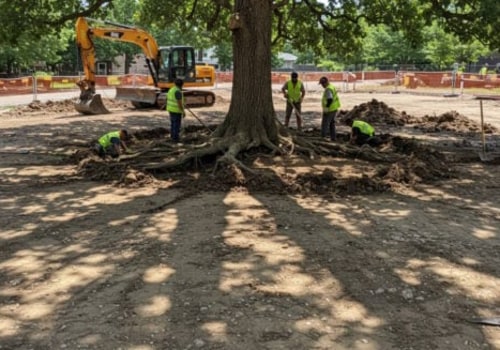
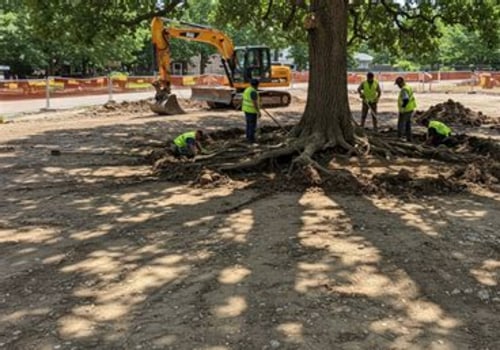
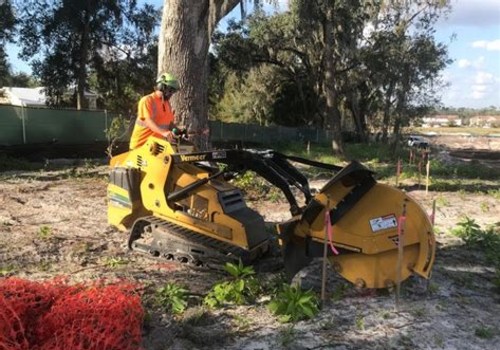
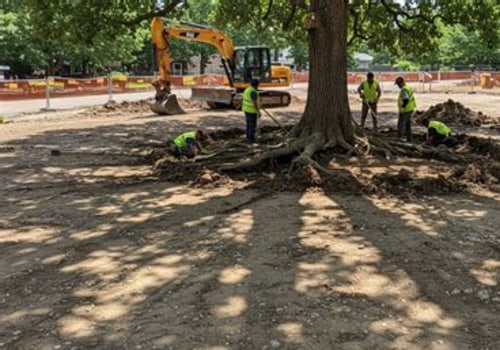
Tree excavation is a crucial process in landscaping and construction, involving the removal of trees along with their root systems to make way for new developments or to enhance the aesthetic appeal of a property. This method is often employed when a tree poses a risk to structures, utilities, or when it is simply no longer desired in a particular location. The process can be labor-intensive and requires specialized equipment, making it essential for property owners to understand what tree excavation entails before proceeding. At its core, tree excavation involves digging around the base of a tree to extract it from the ground, including its roots. This method is commonly used because it allows for complete removal of the tree, preventing future growth and potential hazards.
However, it can also lead to soil disruption and may affect surrounding vegetation. Understanding the implications of this method is vital for anyone considering tree removal. As we delve deeper into this topic, it's important to explore various tree removal methods that can serve as alternatives to traditional excavation. These alternatives may offer less invasive solutions that preserve the surrounding ecosystem while still achieving the desired outcome. By examining these options, property owners can make informed decisions that align with their landscaping goals and environmental considerations.
The Need for Alternatives to Tree Excavation
As urban development and land management practices evolve, the need for alternatives to tree excavation has become increasingly apparent.Traditional tree excavation can lead to significant environmental and economic repercussions that many individuals and organizations are now striving to avoid.Why Avoid Tree Excavation? One of the primary reasons to seek alternatives is the potential for environmental damage. Tree excavation often disrupts local ecosystems, leading to soil erosion, loss of habitat for wildlife, and a decrease in biodiversity. The removal of trees can also affect local water cycles, as trees play a crucial role in absorbing rainfall and maintaining groundwater levels.Environmental Impact of Tree Excavation The environmental impact extends beyond immediate physical changes. The removal of trees contributes to increased carbon emissions, as trees act as carbon sinks.
This exacerbates climate change and can lead to long-term ecological imbalances. Furthermore, the machinery used in excavation can compact soil, making it less fertile and more challenging for new vegetation to thrive.Cost of Tree Excavation From a financial perspective, tree excavation can be surprisingly costly. The expenses associated with labor, equipment rental, and disposal of tree debris can quickly add up. Additionally, there are often hidden costs related to potential fines for environmental damage or the need for restoration efforts post-excavation.
By exploring alternatives such as tree relocation or preservation techniques, individuals can save money while also protecting the environment. In conclusion, the push for alternatives to tree excavation is driven by a combination of environmental concerns and economic factors. By considering methods that minimize ecological disruption and reduce costs, we can foster a more sustainable approach to land management.
Alternative Methods for Tree Management
When considering tree excavation, it’s essential to explore alternative methods for managing trees that can minimize environmental impact and promote sustainability. Here are some effective strategies:- Non-Invasive Tree Removal: This technique involves using specialized equipment and methods to remove trees without disturbing the surrounding soil and root systems. Techniques such as crown reduction or crown thinning can help manage tree size and health while preserving the root structure.
- Tree Preservation Techniques: Implementing preservation strategies can extend the life of trees and enhance their health.
This includes practices like proper pruning, which removes dead or diseased branches, and soil aeration, which improves root access to nutrients and water.
- Transplanting: If a tree needs to be relocated, consider transplanting it instead of excavation. This method involves carefully digging up the tree with a significant portion of its root ball intact, allowing for replanting in a new location.
- Root Pruning: For trees that are causing issues but are otherwise healthy, root pruning can be an effective solution. This involves cutting back roots to reduce their spread while maintaining the tree's overall health.
Tree Pruning and Trimming as an Alternative
Tree pruning and trimming serve as effective alternatives to tree excavation, offering numerous benefits that promote the health and aesthetics of trees without the need for complete removal.By selectively removing branches, pruning helps to enhance air circulation and sunlight penetration, which are crucial for a tree's growth.
Benefits of Tree Pruning
- Improved Health: Regular pruning removes dead or diseased branches, reducing the risk of pest infestations and diseases.
- Enhanced Aesthetics: Pruning shapes the tree, making it more visually appealing and maintaining its natural form.
- Increased Safety: Removing low-hanging branches can prevent accidents and property damage during storms or high winds.
- Encouraged Growth: Pruning stimulates new growth by allowing the tree to allocate resources more efficiently.
When to Prune Trees
The timing of tree pruning is essential for maximizing its benefits. Generally, late winter or early spring is considered the best time to prune most trees, as they are still dormant. This timing minimizes stress on the tree and allows for vigorous growth in the spring. However, specific species may have unique requirements, so it’s important to research or consult with an arborist.
Pruning vs.
Excavation
While tree excavation involves removing the entire tree along with its root system, pruning focuses on selective branch removal. This distinction is crucial; excavation can lead to soil disruption and loss of surrounding vegetation, while pruning maintains the tree's ecosystem. Additionally, pruning is often less costly and time-consuming than excavation, making it a more practical choice for many homeowners.In conclusion, tree pruning and trimming not only provide a sustainable alternative to tree excavation, but they also contribute positively to the overall health and longevity of trees. By understanding the benefits and best practices for pruning, property owners can make informed decisions that enhance their landscapes while preserving valuable trees.
Root Barrier Installation: A Preventative Approach
When considering alternatives to tree excavation, one effective solution is the installation of root barriers.These barriers are designed to redirect tree roots away from structures, sidewalks, and other areas where they may cause damage. By implementing this preventative measure, property owners can avoid the costly and disruptive process of excavation.
How Root Barriers Work
Root barriers are typically made from durable materials such as plastic or metal and are installed vertically in the ground around the tree's root zone. The barrier acts as a physical block, preventing roots from growing into unwanted areas. When roots encounter the barrier, they either grow upwards or change direction, allowing for healthy tree growth while protecting nearby infrastructure.Benefits of Root Barriers
- Cost-Effective: Installing root barriers is generally less expensive than tree excavation, making it a budget-friendly option for homeowners.
- Preservation of Trees: This method allows trees to remain in place, maintaining their aesthetic and environmental benefits without the need for removal.
- Reduced Damage: By directing roots away from foundations and pavements, root barriers help prevent structural damage and costly repairs.
- Long-Term Solution: Once installed, root barriers can provide a long-lasting solution to root-related issues, reducing the need for ongoing maintenance.
By understanding how these barriers work and their numerous benefits, property owners can make informed decisions that protect both their trees and their property.
Using Chemical Treatments for Tree Management
When considering alternatives to tree excavation, chemical treatments can be an effective solution for managing unwanted trees and vegetation. These treatments often involve the use of herbicides, which can selectively target specific plants without the need for physical removal.Herbicides vs. Excavation
- Cost-Effectiveness: Chemical treatments are generally less expensive than excavation, especially for large areas with multiple trees.
- Less Disruption: Unlike excavation, which can disturb the surrounding soil and ecosystem, chemical treatments can minimize disruption to the landscape.
- Targeted Application: Herbicides can be applied directly to the foliage or roots of unwanted trees, allowing for precise control over which plants are affected.
- Read Labels Carefully: Always follow the manufacturer's instructions regarding application rates and safety precautions.
- Choose Selective Herbicides: Opt for products that specifically target unwanted species while sparing desirable plants.
- Consider Timing: Apply herbicides during the appropriate season for maximum effectiveness, typically when trees are actively growing.
- Protect Surrounding Vegetation: Use barriers or shields to prevent drift onto non-target plants during application.
By understanding the benefits and adhering to safety guidelines, homeowners and landscapers can manage their green spaces more sustainably.
Consulting with Arborists: Professional Guidance on Alternatives
When considering alternatives to tree excavation, consulting with a certified arborist can provide invaluable insights. Arborists are trained professionals who specialize in the care and management of trees, and their expertise can help you explore options that may be less invasive and more beneficial for your landscape.When to Hire an Arborist
- If you notice signs of tree distress, such as wilting leaves or unusual growth patterns.
- Before making significant landscaping changes that could impact existing trees.
- When planning to remove a tree but want to consider alternatives.
- Pruning: Removing dead or diseased branches can improve the overall health of the tree without the need for excavation.
- Soil Aeration: This process enhances root growth and improves nutrient absorption, potentially reducing the need for tree removal.
- Root Management: Techniques like root pruning can help manage encroaching roots without resorting to excavation.
Benefits of Professional Advice on Trees
- Expert Assessment: Arborists can accurately diagnose issues that may not be visible to the untrained eye.
- Customized Solutions: They provide tailored recommendations based on the specific species and condition of your trees.
- Long-term Health: Professional guidance can lead to better long-term outcomes for your trees and landscape.
Case Studies: Successful Alternatives to Tree Excavation
In recent years, several organizations and municipalities have successfully implemented alternative methods to tree excavation, demonstrating that preservation is often a viable option.Here are a few notable case studies:
1.Urban Tree Canopy Restoration in Seattle
The City of Seattle initiated a project aimed at restoring its urban tree canopy without resorting to excavation. By utilizing root pruning and soil aeration techniques, they were able to enhance the health of existing trees while minimizing disruption to the surrounding environment. This approach not only preserved the trees but also improved air quality and provided shade in urban areas.2.The Green Roof Initiative in New York City
New York City has embraced green roofs as an alternative to traditional landscaping that often requires tree excavation. In one successful project, a rooftop garden was developed on a commercial building, incorporating native plants and small trees.This method not only avoided excavation but also contributed to stormwater management and reduced the urban heat island effect.
3.Community Tree Adoption Program in Portland
Portland's Community Tree Adoption Program encourages residents to adopt and care for trees in their neighborhoods. Instead of removing trees that are deemed problematic, the program focuses on education and support for tree maintenance. This initiative has led to a significant increase in tree health and community engagement, showcasing how community involvement can serve as an effective alternative to tree excavation.These case studies illustrate that with innovative thinking and community involvement, it is possible to find successful alternatives to tree excavation. By prioritizing tree health and preservation, cities can enhance their green spaces while fostering environmental sustainability.Frequently Asked Questions about Tree Excavation Alternatives
When considering alternatives to tree excavation, many homeowners have questions about the best practices for tree management.Here are some frequently asked questions that can help clarify common misconceptions and provide valuable insights.
- What are the main alternatives to tree excavation?
There are several methods to manage trees without resorting to excavation. These include: - Tree Pruning: Regular pruning can help maintain the health and shape of a tree, reducing the need for removal.
- Tree Cabling and Bracing: This technique provides support to weak branches, allowing the tree to remain standing while minimizing risk.
- Root Barrier Installation: Installing barriers can prevent roots from damaging nearby structures without needing to excavate.
- Is it safe to leave a tree that is damaged?
Not always. While some trees can recover from damage, others may pose safety risks. Consulting with an arborist can help determine the best course of action.
- Can I just cut down a tree instead of excavating?
While cutting down a tree is an option, it often leaves behind a stump and roots that can cause future problems.Alternatives like stump grinding or chemical treatments can be more effective.
- Are there misconceptions about tree removal methods?
Yes, many people believe that all tree removal methods are equally harmful. In reality, techniques like selective pruning or cabling can preserve the tree's health while addressing specific issues.
Conclusion: Embracing Sustainable Tree Management Practices
In conclusion, the discussion surrounding tree excavation has illuminated the pressing need for more sustainable and environmentally friendly practices in landscaping. While tree excavation may seem like a straightforward solution for managing problematic trees, it often leads to significant ecological disruption and loss of biodiversity.As we have explored, there are several viable alternatives to tree excavation that not only preserve the integrity of our landscapes but also promote healthier ecosystems.These alternatives include:
- Tree Pruning: Regular pruning can help maintain tree health and structure, reducing the need for removal.
- Transplanting: For trees that are in the way of development, carefully relocating them can be a sustainable option.
- Root Management: Implementing root barriers or using specialized techniques can mitigate issues without resorting to excavation.
- Consultation with Arborists: Engaging with professionals can provide tailored solutions that prioritize tree health and landscape aesthetics.