When it comes to landscaping and construction, tree excavation plays a crucial role in ensuring the health of the surrounding environment and the stability of structures. Whether you are planning to remove a tree for safety reasons, to make way for new construction, or simply to enhance your landscape, understanding the intricacies of tree excavation is essential. The process involves not just uprooting the tree but also considering the depth at which it is excavated, which can significantly impact both the immediate area and the long-term health of nearby plants. Determining how deep to excavate a tree is not a one-size-fits-all answer; it varies based on several factors including the species of the tree, its age, and the condition of its root system. A well-executed excavation can prevent damage to surrounding roots and soil structure, while improper techniques can lead to complications such as soil erosion or damage to adjacent plants.
Therefore, understanding the appropriate tree removal depth is vital for anyone involved in landscaping or construction projects. This section will delve into the fundamentals of tree excavation, exploring why depth matters and how it affects both immediate and long-term outcomes. By grasping these concepts, you will be better equipped to make informed decisions that promote healthy landscapes and successful construction projects.
Factors Influencing Tree Excavation Depth
When considering tree excavation, several key factors come into play that determine the appropriate depth for excavation. Understanding these factors is essential for ensuring the health of the tree and the surrounding environment.Soil Type
The type of soil in which a tree is planted significantly influences excavation depth. Different soil types have varying characteristics:- Sandy soils drain quickly and may require less depth for excavation, as roots tend to spread horizontally rather than deeply.
- Clay soils, on the other hand, retain moisture and can lead to deeper root systems.
Excavating too shallowly in clay can damage roots that extend further down.
- Loamy soils, which are a mix of sand, silt, and clay, generally support healthy root growth and may require a moderate excavation depth.
Tree Species
The species of the tree also plays a crucial role in determining how deep it should be excavated. Different species have unique root structures:- Shallow-rooted species, such as willows and maples, typically require less depth for excavation since their roots spread out near the surface.
- Deep-rooted species, like oaks and pines, often have extensive root systems that can extend several feet underground. Excavating too shallowly can risk damaging these vital roots.
Recommended Depths for Different Tree Types
When it comes to tree excavation, understanding the specific needs of different tree types is crucial for successful planting and growth.The depth at which a tree should be excavated largely depends on its root system, which can vary significantly among species.
Shallow Root Trees
Some trees, such as maples, willows, and birches, are known for their shallow root systems. For these types, a shallow excavation depth of about 12 to 18 inches is generally sufficient. This allows for adequate soil aeration and moisture retention while minimizing the risk of damaging the roots during the excavation process.Deep Root Trees
In contrast, trees with deep root systems, like oaks, pines, and redwoods, require a deeper excavation. For these species, an excavation depth of 24 to 36 inches is recommended. This depth ensures that the roots have enough space to grow and establish themselves firmly in the soil, which is essential for their long-term health and stability.Considerations for Excavation Depth
When determining the appropriate excavation depth, consider the following:- Soil Type: Sandy soils may require less depth due to better drainage, while clay soils might necessitate deeper excavations to prevent waterlogging.
- Aging Trees: Older trees often have more extensive root systems; therefore, deeper excavations may be necessary to accommodate their growth.
- Environmental Factors: Local climate and weather conditions can also influence root development and should be taken into account when planning your excavation.
Techniques for Proper Tree Excavation
When it comes to tree excavation, employing the right techniques is crucial for ensuring the safety of both the tree and the surrounding environment.Here are some effective methods and best practices to consider:
- Assess the Site: Before beginning any excavation, evaluate the area around the tree. Look for nearby structures, utility lines, and other trees that may be affected during the process.
- Choose the Right Tools: The tools you use can significantly impact the efficiency of your excavation. Common tools include:
- Shovels: Ideal for digging around the root zone.
- Pruning Saws: Useful for cutting through larger roots.
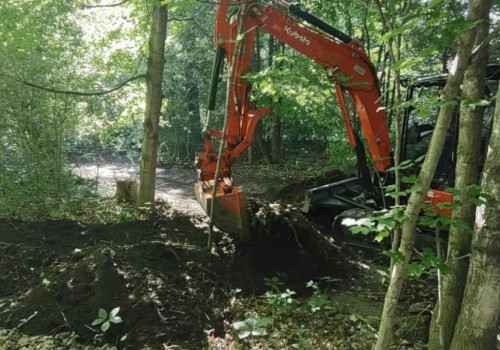
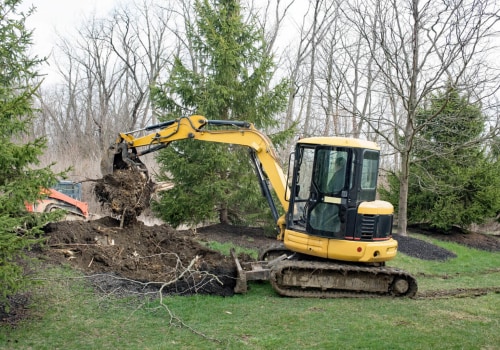
- Excavators: For larger trees, a mini-excavator can help remove substantial amounts of soil quickly.
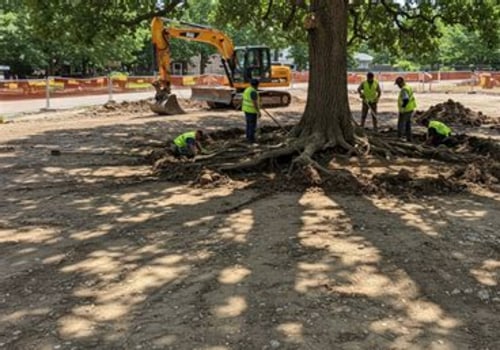
- Digging Technique: Start by digging a trench around the tree, approximately 2-3 feet away from the trunk. This distance helps protect the root system while allowing you to access the roots effectively.
- Root Pruning: As you expose roots, consider pruning them cleanly with a saw.
This minimizes damage and promotes healthier regrowth if you plan to transplant the tree.
- Soil Removal: Carefully remove soil in layers rather than all at once. This method reduces stress on the tree and allows for better control over the excavation process.
Common Mistakes to Avoid in Tree Excavation
When it comes to tree excavation, avoiding common mistakes can significantly impact the success of your project.Here are some pitfalls to watch out for:
- Neglecting to Assess the Site: Before starting any excavation, it’s crucial to evaluate the surrounding area. Failing to consider nearby structures, utilities, and other trees can lead to damage or complications during the process.
- Improper Depth Excavation: One of the most frequent errors is not excavating deep enough. Roots that are left behind can lead to regrowth, making it seem like the tree was never removed. Always ensure you excavate to the appropriate depth to eliminate the root system effectively.
- Using Inadequate Tools: Using the wrong tools can hinder your progress and lead to injury.
Ensure you have the right equipment for the job, such as a chainsaw for cutting and a shovel or backhoe for digging.
- Ignoring Safety Precautions: Safety should always be a priority. Not wearing protective gear or failing to follow safety protocols can result in accidents. Always wear gloves, goggles, and hard hats when working on tree excavation.
- Overlooking Local Regulations: Many areas have specific regulations regarding tree removal and excavation. Ignoring these can lead to fines or legal issues.
Always check with local authorities before beginning your project.
FAQs About Tree Excavation Depth
When it comes to tree excavation, many homeowners and landscapers have questions about the appropriate depth for digging. Here are some frequently asked questions that can help clarify this important aspect of tree care.How deep should I excavate a tree?
The depth of excavation largely depends on the size and type of the tree. Generally, you should aim to excavate at least 12 to 18 inches around the root ball.For larger trees, this may increase to 24 to 36 inches. It's crucial to ensure that you are not cutting into the main roots, as this can severely impact the tree's health.
What factors influence excavation depth?
- Tree Species: Different species have varying root structures. Some trees have deep taproots, while others have shallow, spreading roots.
- Soil Type: Sandy soils may require less depth compared to clay soils, which can hold more moisture and affect root growth.
- Tree Age: Younger trees typically have shallower roots, while older trees may have extensive root systems that require deeper excavation.
Can I excavate too deep?
Yes, excavating too deep can be detrimental. If you dig below the root zone, you risk damaging essential roots that provide nutrients and stability.This can lead to stress or even death of the tree. Always aim for a balance between sufficient depth for root exposure and avoiding damage.
What tools are best for tree excavation?
Using the right tools is essential for effective and safe excavation. A combination of a shovel, spade, and possibly a pickaxe will help you manage different soil types and root structures. For larger projects, consider renting a mini-excavator, but ensure you are trained in its use to avoid damaging surrounding areas.By understanding these key aspects of tree excavation, you can ensure a healthier environment for your trees while minimizing risks associated with improper digging techniques.Conclusion: Key Takeaways on Tree Excavation Depth
In conclusion, understanding the appropriate depth for tree excavation is crucial for ensuring the health and stability of trees during and after the excavation process.Here are the key takeaways to remember:
- Excavation Depth: The general rule of thumb is to excavate to a depth that allows for at least 12 to 18 inches of soil above the root ball. This ensures that the tree has enough support and nutrients.
- Root System Consideration: Always consider the type of tree and its root system. Some species have deeper roots, while others may have a more shallow, fibrous root system. Tailoring your excavation depth to the specific tree type can prevent damage.
- Soil Type: The type of soil also plays a significant role in determining excavation depth.
Sandy soils may require less depth compared to clay soils, which can retain more moisture and affect root growth.
- Best Practices: Utilize proper tools and techniques during excavation to minimize root damage. Hand digging is often recommended for smaller trees, while larger trees may require machinery.
- Post-Excavation Care: After excavation, it’s essential to monitor the tree’s health closely. Proper watering and mulching can help mitigate stress caused by the disturbance.