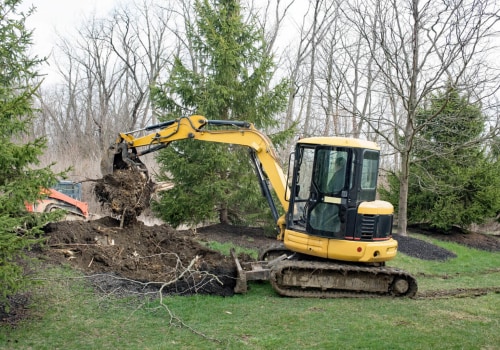
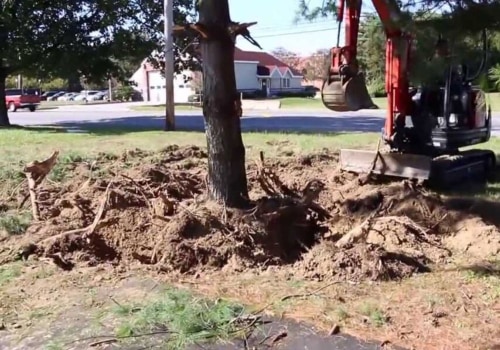
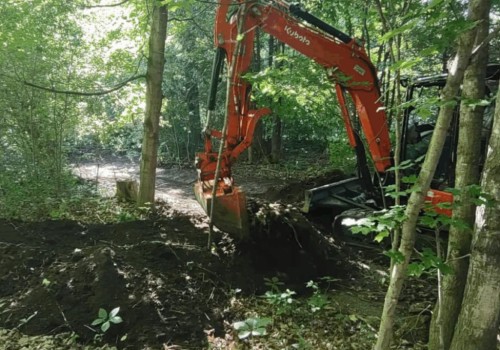
Tree excavation is a critical process in the realm of landscaping and construction, involving the careful removal of trees from their original locations. This procedure is often necessary for various reasons, including site development, construction projects, or even to save a tree that is in danger due to environmental changes. Understanding the nuances of tree excavation is essential for anyone considering replanting a tree after it has been excavated. One of the primary reasons for tree excavation is to facilitate construction activities. When building new structures or expanding existing ones, trees may obstruct the planned layout.
In such cases, excavating the tree allows for the necessary space while also providing an opportunity to relocate the tree to a more suitable environment. Additionally, trees that are diseased or damaged may require excavation to prevent further spread of illness or decay. Another important aspect of tree excavation is its role in landscape management. Trees may need to be excavated to improve the overall health of a landscape, allowing for better sunlight exposure and air circulation for surrounding plants. Furthermore, excavation can be part of a larger strategy to enhance biodiversity by creating space for new plant species that can thrive in the area. In summary, understanding tree excavation involves recognizing its purposes and implications.
Whether for construction, health management, or landscape improvement, this process plays a vital role in maintaining ecological balance and ensuring that trees can continue to thrive in their new locations.
The Process of Excavating a Tree
Excavating a tree is a delicate process that requires careful planning and execution to ensure the tree's survival post-transplant. Understanding the tree excavation process is crucial for anyone considering relocating a tree.Steps Involved in Tree Excavation:
- Assess the Tree: Before excavation, evaluate the tree's health, size, and species. Some trees are more resilient to transplanting than others.
- Choose the Right Time: The best time for tree excavation is during the dormant season, typically late fall to early spring. This minimizes stress on the tree.
- Gather Necessary Tools: Essential tools for tree excavation include:
- A sharp spade or shovel for digging
- A saw for trimming roots
- A tarp or burlap for wrapping the root ball
- A wheelbarrow or cart for transport
- Digging the Root Ball: Start by digging a trench around the tree, approximately 12-18 inches from the trunk for smaller trees and up to 3 feet for larger ones.
Aim to create a root ball that is at least 1-2 feet deep and wide enough to encompass as many roots as possible.
- Cutting Roots: As you dig, carefully cut any roots that are too long or obstructive. Use a saw for larger roots, ensuring you do not damage the main root system.
- Lifting the Tree: Once the root ball is adequately prepared, gently lift the tree from its hole. It’s advisable to have assistance during this step to prevent damage.
- Wrapping the Root Ball: Immediately wrap the root ball in burlap or a tarp to protect it during transport. This helps retain moisture and prevents soil from falling away.
- Transporting: Move the tree to its new location as quickly as possible to reduce stress on the plant.
Understanding this process not only aids in successful relocation but also plays a vital role in determining whether replanting is feasible.
Can You Replant an Excavated Tree?
Replanting an excavated tree is indeed possible, but its success largely depends on several critical factors. Understanding these factors can significantly enhance the chances of a successful replanting.Timing
is one of the most crucial elements. The best time to replant a tree is during its dormant season, typically in early spring or late fall. This timing allows the tree to establish roots in its new location before the stress of summer heat or winter cold.Another important factor is the size and health of the tree at the time of excavation.
Larger trees tend to have a lower success rate due to their extensive root systems, which can be damaged during excavation. Conversely, smaller trees are generally easier to replant and adapt more quickly to new environments.Additionally, the soil conditions at both the original and new locations play a significant role. Trees thrive in well-draining soil rich in nutrients. If the new site lacks these conditions, it may hinder the tree's ability to recover and grow.To improve the chances of success when replanting an excavated tree, consider the following steps:
- Prepare the new site: Ensure that the new planting hole is twice as wide as the root ball and just as deep.
- Water adequately: Water the tree thoroughly before and after replanting to reduce transplant shock.
- Mulch: Apply a layer of mulch around the base of the tree to retain moisture and regulate soil temperature.
By taking care to address these considerations, you can significantly increase your chances of successfully replanting an excavated tree and ensuring its continued growth and health.
Factors Affecting Replanting Success
Replanting an excavated tree can be a challenging endeavor, and several factors significantly influence the success of this process. Understanding these factors is crucial for ensuring the tree's health and longevity after replanting.- Tree Species: Different species of trees have varying tolerances to stress and environmental conditions. Some species, like maples and oaks, may adapt better to replanting than others. Researching the specific needs and characteristics of the tree species in question can provide insights into its likelihood of survival post-excavation.
- Root Health: The condition of the tree's roots at the time of excavation plays a pivotal role in its ability to thrive after being replanted.
A healthy root system, with minimal damage during excavation, increases the chances of successful reestablishment. Conversely, if the roots are excessively pruned or damaged, the tree may struggle to absorb water and nutrients.
- Timing: The timing of both excavation and replanting is critical. Ideally, trees should be excavated during their dormant season, typically in late fall or early spring. This timing minimizes stress on the tree and allows it to focus on root establishment once replanted.
- Environmental Conditions: The new location's soil quality, moisture levels, and sunlight exposure are essential factors that can affect a tree's recovery.
Well-draining soil rich in organic matter is ideal for replanting. Additionally, ensuring that the tree receives adequate water during its initial growth phase is vital for its survival.
Steps to Successfully Replant an Excavated Tree
Successfully replanting an excavated tree requires careful planning and execution. Follow these steps to ensure the best chance of survival for your tree.- Preparation Before Excavation: Before you begin the excavation process, assess the tree's health and the surrounding environment.
Ensure that the tree is suitable for relocation and that you have a new planting site ready.
- Excavation: When excavating, start by digging a trench around the root zone, ideally extending at least 12 inches beyond the root ball. Use a sharp spade to minimize root damage. Carefully lift the tree from the ground, keeping as much of the root ball intact as possible.
- Transporting the Tree: Wrap the root ball in burlap or plastic to protect it during transport. Ensure that the tree is kept upright and stable to prevent further damage to the roots.
- Preparing the New Site: Choose a location that offers similar light and soil conditions as the original site.
Dig a hole that is twice as wide and just as deep as the root ball. This will allow for proper root expansion.
- Planting: Place the tree in the center of the hole, ensuring that it is straight and at the same depth it was previously growing. Backfill with soil, gently tamping it down to eliminate air pockets.
- Watering: After planting, water thoroughly to help settle the soil around the roots. This is crucial for reducing transplant shock.
- Post-Planting Care: Monitor your tree closely for signs of stress.
Water regularly, especially during dry spells, and consider applying mulch around the base to retain moisture and regulate soil temperature.
Common Challenges in Replanting Excavated Trees
Replanting excavated trees can be a rewarding endeavor, but it is not without its challenges. Understanding these common challenges can help ensure a successful transition for the tree.- Root Damage: During the excavation process, a tree's roots can be severely damaged. This can lead to stress and hinder the tree's ability to absorb water and nutrients.
To mitigate this, it is crucial to minimize root disturbance during excavation and to prune any damaged roots before replanting.
- Soil Compatibility: The soil in the new location may differ significantly from the original site. Factors such as pH, drainage, and nutrient content can affect the tree's health. Conducting a soil test prior to replanting can help identify necessary amendments to create a suitable environment for the tree.
- Water Stress: After replanting, trees often experience transplant shock, which can lead to dehydration. It is essential to establish a consistent watering schedule post-excavation.
Using mulch around the base of the tree can also help retain moisture and regulate soil temperature.
- Pest and Disease Vulnerability: Excavated trees may be more susceptible to pests and diseases due to stress and root damage. Regular monitoring for signs of infestation or disease is vital. Implementing preventive measures, such as proper sanitation and using organic pesticides, can help protect the tree.
- Environmental Factors: Changes in light exposure, wind patterns, and temperature at the new site can impact the tree's adaptation. Selecting an appropriate location that mimics the original environment as closely as possible will aid in a smoother transition.
Proper planning, care, and attention to detail are key components in ensuring that your excavated tree thrives in its new home.
FAQs About Tree Excavation and Replanting
When it comes to tree excavation and replanting, many homeowners and landscapers have questions. Here are some of the most frequently asked questions regarding this process:- Can any tree be replanted after excavation?
While many trees can be successfully replanted, factors such as the tree's species, age, and health play a significant role. Younger trees tend to adapt better to replanting than older, larger specimens. - What is the best time of year for tree excavation?
The ideal time for tree excavation is during the dormant season, typically late fall to early spring. This minimizes stress on the tree and increases the chances of successful replanting. - How should a tree be prepared for excavation?
Before excavation, it’s essential to water the tree thoroughly and prune any dead or damaged branches.This helps reduce shock during the process.
- What techniques are used for excavating a tree?
Common techniques include using a spade or specialized equipment to carefully dig around the root ball. The goal is to preserve as much of the root system as possible. - How deep should the root ball be when excavating?
A general rule is that the root ball should be about 10-12 inches deep for every inch of trunk diameter. This ensures that enough roots are retained for successful replanting. - What care is needed after replanting?
After replanting, it’s crucial to water the tree regularly and monitor its health. Applying mulch around the base can help retain moisture and regulate soil temperature.
If you have more specific questions or concerns, consulting with a professional arborist can provide tailored advice based on your unique situation.
Conclusion: The Future of Your Excavated Tree
In conclusion, the journey of an excavated tree does not have to end with its removal from the ground. With the right techniques and care, replanting an excavated tree can lead to a successful second life in a new location. However, it is crucial to understand that this process requires careful planning and execution. First and foremost, timing is essential. The best time to replant an excavated tree is during its dormant season, typically in early spring or late fall.This minimizes stress on the tree and allows it to establish roots in its new environment before the growing season begins. Additionally, proper handling during the excavation process cannot be overstated. Ensuring that a sufficient root ball is preserved will significantly increase the chances of survival after replanting. A root ball should ideally be at least 10-12 inches in diameter for every inch of trunk diameter. Once relocated, providing adequate care is vital. This includes:
- Watering: Regular watering is essential, especially during the first few months after replanting.
- Mulching: Applying mulch around the base can help retain moisture and regulate soil temperature.
- Monitoring: Keep an eye out for signs of stress or disease as the tree adjusts to its new home.
By following best practices and being attentive to the needs of your excavated tree, you can ensure that it thrives in its new environment, contributing beauty and shade for years to come.