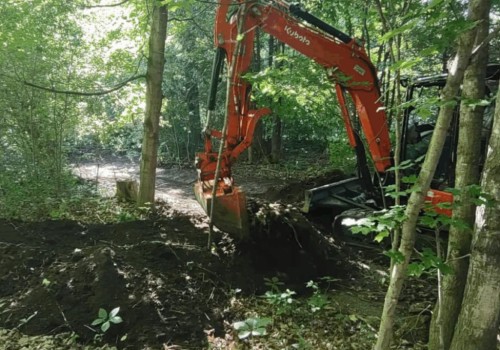
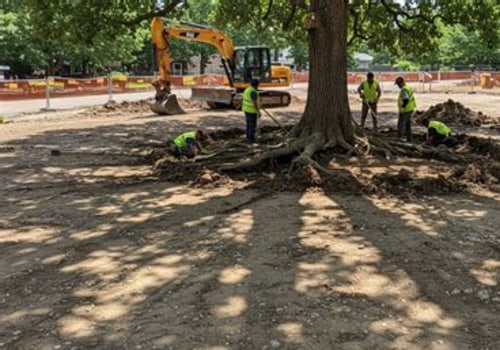
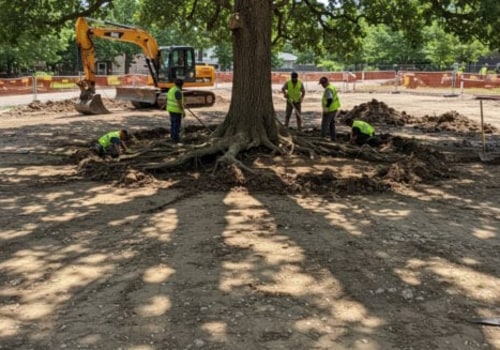
Tree excavation is a critical process in both landscaping and construction, involving the careful removal of trees and their root systems from a designated area. This procedure is not merely about cutting down a tree; it encompasses a series of steps that ensure the surrounding environment is preserved while achieving the desired outcome. Whether for new construction, landscaping renovations, or site preparation, understanding what tree excavation entails is essential for homeowners and contractors alike. The process begins with assessing the tree's health and location, determining whether it poses any risks or if it can be relocated instead of removed. Once a decision is made, specialized equipment is often employed to excavate the tree efficiently.
This includes digging around the root ball to minimize damage to the surrounding soil and vegetation. The significance of tree excavation extends beyond mere aesthetics; it plays a vital role in site safety, land usability, and ecological balance. Moreover, tree excavation can have legal implications that vary by location. Many municipalities require permits for this activity to ensure compliance with local regulations aimed at protecting urban forestry and wildlife habitats. Understanding these regulations is crucial for anyone considering tree excavation, as failing to obtain the necessary permits can lead to fines or other legal consequences.
By grasping the fundamentals of tree excavation, individuals can make informed decisions that align with both their landscaping goals and legal requirements.
Why Permits are Important for Tree Excavation
When it comes to tree excavation, obtaining the necessary permits is crucial for several reasons. These permits are not just bureaucratic hurdles; they serve important functions that benefit both the environment and the community.Environmental Protection
- One of the primary reasons permits are required is to protect local ecosystems. Trees play a vital role in maintaining biodiversity, and their removal can disrupt habitats for various species.
- Permits often require assessments to ensure that the excavation does not negatively impact surrounding flora and fauna, particularly in sensitive areas.
Compliance with Local Regulations
- Different municipalities have specific regulations regarding tree excavation. These laws may dictate which trees can be removed, how many can be excavated at once, and the methods used for removal.
- Failing to obtain a permit can result in hefty fines or legal action, making it essential for property owners to understand and comply with local laws.
Community Standards
- Permits also help maintain community standards.
Many neighborhoods have aesthetic guidelines that promote a certain look and feel. Excavating trees without permission can lead to disputes among neighbors and diminish property values.
- By requiring permits, local governments can ensure that tree removal aligns with community values and planning goals.
When is a Permit Required for Tree Excavation?
Understanding when a permit is required for tree excavation is crucial for homeowners and contractors alike. Various factors can influence the need for a permit, including the location of the tree, the species involved, and the scope of the project.- Location: Many municipalities have specific regulations regarding tree removal and excavation.
If you live in an area designated as a historic district or near protected lands, you may need a permit regardless of the tree's size or species.
- Tree Species: Certain species are protected by local or state laws. For example, if you are planning to excavate a tree that is classified as endangered or significant to the local ecosystem, a permit will likely be required.
- Project Scope: The extent of your excavation project can also dictate whether a permit is necessary. Small-scale projects may not require permits, while larger endeavors that involve significant land alteration typically do.
Always check with your local government or planning department to understand the specific permit requirements for tree excavation.In summary, before proceeding with any tree excavation, it’s essential to research and comply with local regulations to avoid potential fines or legal issues.
How to Obtain a Permit for Tree Excavation
Obtaining a tree excavation permit is a crucial step in ensuring that your project complies with local regulations. Here’s a step-by-step guide to help you navigate the permit application process.- Research Local Regulations: Before starting your application, check with your local government or municipal office to understand the specific regulations regarding tree excavation. Different areas may have varying rules about tree removal and excavation.
- Gather Necessary Documentation: Prepare the required documents for your application. This may include:
- A site plan showing the location of the tree(s) to be excavated.
- Photographs of the tree(s) and surrounding area.
- A description of the reason for excavation, such as construction or landscaping.
- Any environmental assessments if required by local laws.
- Complete the Application Form: Obtain the official permit application form from your local authority’s website or office.
Fill it out completely, ensuring all information is accurate and up-to-date.
- Submit Your Application: Submit your completed application along with all supporting documents. Be mindful of any submission deadlines that may apply.
- Pay Applicable Fees: There may be fees associated with your permit application. Check with your local office for the exact amount and acceptable payment methods.
- Await Approval: After submission, your application will be reviewed by local officials. This process can take anywhere from a few days to several weeks, depending on the complexity of your request and local regulations.
- Receive Your Permit: Once approved, you will receive your permit, which may come with specific conditions or requirements that must be followed during the excavation process.
Common Misconceptions About Tree Excavation Permits
When it comes to tree excavation, many homeowners and contractors harbor misconceptions about the necessity of permits.Understanding these myths is crucial for ensuring compliance with local regulations and avoiding potential fines.
- Myth 1: No Permit is Needed for Any Tree Removal
Many believe that as long as a tree is on private property, it can be removed without a permit. However, this is not universally true. Local laws often dictate that permits are required for certain types of trees, especially if they are protected species or if the removal could impact the surrounding ecosystem. - Myth 2: Only Large Trees Require Permits
Another common misunderstanding is that only large trees necessitate a permit. In reality, even smaller trees may require permits depending on local ordinances.Homeowners should check with their local government to understand the specific requirements.
- Myth 3: Permits are Only Required for Commercial Excavation
Some individuals think that permits are only necessary for commercial projects. This is misleading; residential projects can also require permits, particularly if they involve significant excavation or land alteration. - Myth 4: The Permit Process is Too Complicated
While the permit process can seem daunting, it is often straightforward. Many municipalities provide clear guidelines and support to help homeowners navigate the application process.
Consequences of Not Obtaining a Permit
Failing to obtain a permit for tree excavation can lead to a range of serious consequences, both legal and financial.Understanding these repercussions is crucial for anyone considering tree removal on their property.
Legal Penalties
- Many municipalities have strict regulations regarding tree excavation. If you proceed without the necessary permits, you may face fines that can range from a few hundred to several thousand dollars, depending on local laws.
- In some cases, you may be required to restore the area by replanting trees or restoring the landscape to its original state, which can incur additional costs.
Financial Consequences
- Beyond fines, the costs associated with legal disputes can escalate quickly. If a neighbor or local environmental group files a complaint against you, legal fees can add up, especially if the case goes to court.
- Insurance claims related to property damage or personal injury that occur during unauthorized tree excavation may be denied, leaving you responsible for all associated costs.
Impact on Property Value
- Removing trees without permission can negatively impact your property value. Trees contribute to curb appeal and overall landscape aesthetics; their removal can make your property less attractive to potential buyers.
- Additionally, if your property is found in violation of local ordinances, it may complicate future real estate transactions.
Community Relations
- Engaging in unauthorized tree excavation can damage relationships with neighbors and community members.
It may lead to distrust and resentment, particularly if the trees removed were valued for their environmental benefits.
FAQs About Tree Excavation and Permits
When it comes to tree excavation, many homeowners and contractors have questions regarding the necessity of permits. Here are some frequently asked questions that can help clarify this topic:- Do I need a permit for tree excavation?
The requirement for a permit often depends on local regulations.In many areas, if the tree is on private property and poses no risk to public safety, a permit may not be necessary. However, if the tree is large, protected, or located in a designated area, you may need to obtain a permit before proceeding with excavation.
- What factors determine the need for a permit?
Several factors can influence whether a permit is required, including:- The size and species of the tree
- Location of the tree (e.g., near power lines or public spaces)
- Local zoning laws and regulations
- Environmental considerations, such as being in a conservation area
- How can I find out if I need a permit?
The best way to determine if you need a permit for tree excavation is to contact your local city or county office. They can provide specific guidelines based on your location and the type of tree involved. - What are the consequences of not obtaining a permit?
Failing to secure the necessary permits can lead to fines, legal issues, and even the requirement to replant or restore the area. It’s essential to follow local regulations to avoid these complications. - Can I remove a tree without a permit?
In some cases, small trees or those that are dead or diseased may not require a permit for removal.However, it’s always best to check with local authorities before proceeding.
Conclusion: Navigating Tree Excavation Permits Safely
In conclusion, understanding the requirements for tree excavation permits is crucial for anyone considering this type of project. As we have discussed, the necessity of a permit can vary significantly based on local regulations, the size and type of tree, and the specific location of the excavation. Ignoring these regulations can lead to legal complications, fines, and even damage to the environment.It is essential to take the following steps before proceeding with any tree excavation:- Research Local Regulations: Always check with your local government or municipal office to understand the specific laws governing tree removal and excavation in your area.
- Consult Professionals: Engaging with certified arborists or tree removal services can provide valuable insights into whether a permit is needed and how to obtain it.
- Consider Environmental Impact: Assessing the ecological consequences of removing a tree is not only responsible but may also be a requirement for obtaining a permit.
Remember, being informed and compliant with local laws not only protects you but also contributes to sustainable practices in your community. Always prioritize safety and legality when it comes to tree management.