Understanding the cost of tree excavation is crucial for homeowners and property managers alike. Whether you're dealing with a hazardous tree that poses a risk to your property or simply looking to enhance your landscape, knowing the financial implications of tree removal can help you make informed decisions. The pricing for tree excavation can vary significantly based on several factors, making it essential to grasp the nuances involved. Several elements influence tree excavation costs, including the size and species of the tree, its location, and the complexity of the job. For instance, larger trees typically require more extensive equipment and labor, which can drive up costs.
Additionally, if the tree is situated near structures or power lines, extra precautions may be necessary, further impacting the overall price. Understanding these factors not only prepares you for potential expenses but also helps you evaluate quotes from different service providers. As we delve deeper into this topic, we will explore the various components that contribute to tree removal pricing, providing you with a comprehensive overview that will aid in budgeting for your tree excavation needs. By being well-informed about what affects these costs, you can ensure that you receive fair pricing and quality service when it comes to managing your trees.
What is Tree Excavation?
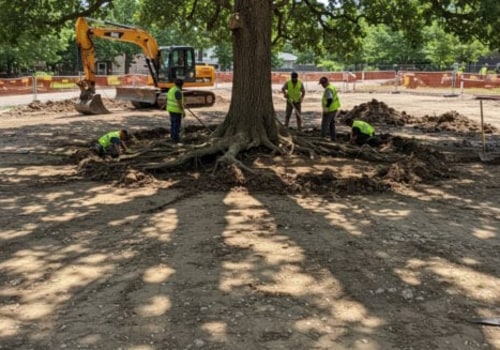
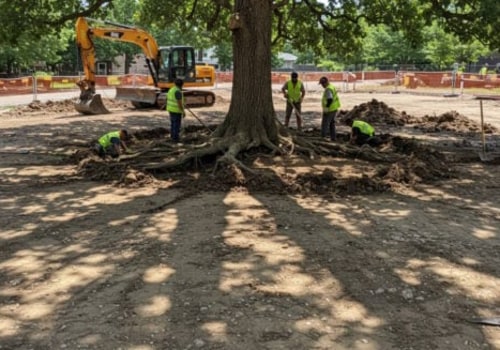
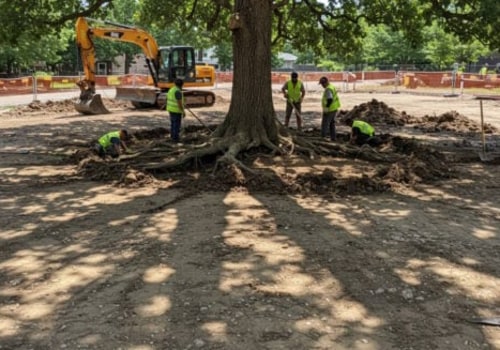
Tree excavation is a specialized process that involves the removal of trees and their root systems from a specific area. This procedure is often necessary in landscaping and construction projects where space is required for new structures, utilities, or landscaping features.Understanding the intricacies of tree excavation can help property owners make informed decisions regarding their outdoor spaces.The tree excavation process typically begins with an assessment of the site to determine the best approach for removal. This includes evaluating the size and health of the tree, as well as its proximity to structures and other vegetation. Once a plan is established, the following steps are generally involved:
- Preparation: Clearing the area around the tree to ensure safe access for equipment.
- Cutting: Using chainsaws or other tools to fell the tree safely.
- Root Removal: Excavating the root system, which may require heavy machinery depending on the size of the tree.
- Site Restoration: Filling in the hole left by the tree and restoring the landscape as needed.
Additionally, when planning new constructions, such as homes or commercial buildings, removing trees can create essential space for foundations and landscaping. Furthermore, proper excavation can prevent future issues related to root interference with underground utilities.In summary, tree excavation is a critical service that not only facilitates construction and landscaping but also ensures safety and aesthetic appeal in outdoor environments. By grasping its definition, process, and necessity, property owners can better appreciate the associated costs and make informed choices about their landscaping needs.
Factors Influencing Tree Excavation Costs
When considering tree excavation, several key factors can significantly influence the overall cost. Understanding these elements is essential for homeowners and property managers looking to budget for this service.Size of the Tree
The size of the tree is one of the most critical factors affecting excavation costs.Larger trees typically require more time, labor, and equipment to remove. For instance, a small sapling may cost significantly less to excavate than a mature oak or maple tree. The diameter of the trunk and the height of the tree are both important metrics that professionals will assess when providing a quote.
Location
The location of the tree also plays a vital role in determining excavation costs. Trees situated in tight spaces, such as near buildings, fences, or utility lines, may require specialized equipment and techniques to safely remove them.Additionally, if the tree is located in a hard-to-reach area, such as on a steep slope or in a densely wooded region, this can further increase labor costs.
Soil Conditions
The type and condition of the soil surrounding the tree can impact excavation expenses as well. Rocky or clay-heavy soils can make it more challenging to dig around the roots, necessitating more powerful machinery and additional labor. Conversely, sandy or loamy soils may allow for easier excavation, potentially lowering costs.Accessibility
Accessibility is another crucial factor that can affect tree excavation costs. If the site is easily accessible for heavy machinery, costs may be lower due to reduced labor time and equipment wear.However, if access is limited, additional measures may need to be taken, such as using smaller equipment or manual labor, which can drive up expenses. In summary, when estimating the cost of tree excavation, it’s essential to consider these factors: the size of the tree, its location, soil conditions, and accessibility. Each element contributes to the complexity of the job and ultimately influences the final price.
Average Costs of Tree Excavation
When considering tree excavation, understanding the average costs involved is crucial for homeowners and property managers. The price of tree excavation can vary significantly based on several factors, including the size of the tree, its location, and the complexity of the job.Average Cost Breakdown
On average, homeowners can expect to pay between $200 and $2,000 for tree excavation services. Here’s a general breakdown based on tree size:- Small Trees (up to 15 feet): Typically range from $200 to $500.
These trees are easier to remove due to their smaller root systems.
- Medium Trees (15 to 30 feet): Costs usually fall between $500 and $1,200. Excavating medium-sized trees requires more effort and equipment.
- Large Trees (over 30 feet): Expect to pay anywhere from $1,200 to $2,000 or more. Large trees often have extensive root systems that complicate the excavation process.
Factors Influencing Cost
Several factors can influence the final cost of tree excavation:- Location: Trees located in hard-to-reach areas or near structures may incur additional costs due to the need for specialized equipment.
- Tree Type: Certain species have denser wood or larger root systems, which can increase labor time and equipment use.
- Disposal Fees: Some companies may charge extra for removing the tree debris from your property.
Additional Costs to Consider
When planning for tree excavation, it’s essential to consider not just the primary costs associated with the removal of the tree itself, but also the additional fees that may arise during the process.These extra expenses can significantly impact your overall budget.
Permits
In many areas, obtaining a permit is a necessary step before proceeding with tree excavation. Local regulations often require homeowners to secure permits to ensure that tree removal is conducted safely and in compliance with environmental guidelines. The cost of these permits can vary widely depending on your location and the specific regulations in place. It’s advisable to check with your local municipality to understand the requirements and associated fees.Cleanup Costs
After a tree has been excavated, there will likely be debris left behind, including branches, leaves, and other organic material.Cleanup costs can add up quickly if you hire professionals to handle this task. Some tree excavation services include cleanup in their pricing, while others may charge separately. Be sure to clarify this aspect when obtaining quotes from contractors.
Stump Removal Costs
Another significant expense to consider is the cost of stump removal. While some companies may offer tree excavation services that include stump grinding or removal, others may charge an additional fee for this service.Stump removal is crucial not only for aesthetic reasons but also to prevent potential pest infestations and to allow for future landscaping options. The cost can vary based on the size of the stump and the method used for removal.In summary, when budgeting for tree excavation, it’s vital to account for these additional costs—permits, cleanup fees, and stump removal—to avoid any unexpected financial surprises. Planning ahead will ensure a smoother process and help you manage your overall expenses effectively.
DIY vs. Professional Tree Excavation: Cost Comparison
When considering tree excavation, one of the first decisions to make is whether to tackle the project yourself or hire a professional service.Each option comes with its own set of costs and benefits that can significantly impact your budget and the overall outcome of the excavation.
DIY Tree Excavation Costs
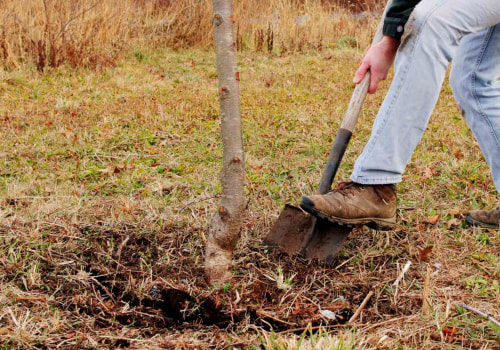
Taking on tree excavation as a DIY project can be appealing, especially for those looking to save money. The primary costs associated with DIY tree excavation include:- Equipment Rental: Renting a chainsaw, stump grinder, or excavator can range from $50 to $200 per day, depending on the equipment needed.
- Safety Gear: Investing in safety gear such as gloves, goggles, and hard hats may cost around $50 to $100.
- Disposal Fees: If you need to dispose of tree debris, local landfill fees can add another $20 to $100.
Professional Services Pricing
Hiring a professional for tree excavation typically incurs higher costs but offers several advantages. Professional services usually charge based on:- Tree Size: Smaller trees may cost between $200 and $500, while larger trees can range from $500 to $1,500 or more.
- Location: Accessibility issues or urban settings may increase costs due to additional labor or equipment needs.
- Stump Removal: If stump grinding is included, expect an additional charge of $75 to $300.
Pros and Cons of DIY vs. Professional Help
DIY Pros:
- Cost Savings: Potentially lower overall expenses if you have the necessary skills and tools.
- Satisfaction: A sense of accomplishment from completing the project yourself.
DIY Cons:
- Risk of Injury: Tree excavation can be dangerous without proper training.
- Lack of Expertise: Improper techniques may lead to damage or incomplete removal.
Professional Pros:
- Saves Time: Professionals can complete the job quickly and efficiently.
- Safety Assurance: Trained experts minimize risks associated with tree removal.
Professional Cons:
- Higher Costs: Professional services can be significantly more expensive than DIY options.
- Lack of Control: You may have less say in how the job is done compared to doing it yourself.
Weighing these factors will help you make an informed decision that aligns with your budget and expertise.
Frequently Asked Questions about Tree Excavation Costs
When considering tree excavation, many homeowners have questions about the associated costs. Here are some of the most frequently asked questions regarding tree excavation pricing.What factors influence the cost of tree excavation?
The cost of tree excavation can vary significantly based on several factors, including:- Tree Size: Larger trees typically require more time and resources to excavate, leading to higher costs.
- Location: Trees located in hard-to-reach areas or near structures may incur additional charges due to the complexity of the job.
- Root System: A tree with an extensive root system may require more effort to remove, impacting the overall price.
- Access: If heavy machinery cannot easily access the site, manual labor may be necessary, increasing labor costs.
How can I get quotes for tree excavation?
To obtain accurate quotes for tree excavation, follow these steps:- Research Local Services: Look for reputable tree removal companies in your area that specialize in excavation.
- Request Multiple Quotes: Contact at least three different companies to compare prices and services offered.
- Provide Detailed Information: When requesting a quote, give as much detail as possible about the tree's size, location, and any potential obstacles.
- Ask About Additional Fees: Inquire if there are any extra charges for stump removal or debris cleanup.
What are common additional costs associated with tree excavation?
In addition to the base cost of tree excavation, homeowners should be aware of potential extra expenses:- Stump Grinding: Removing the stump can add to the total cost, often ranging from $75 to $300 depending on its size.
- Debris Removal: Some companies charge for hauling away branches and wood chips after excavation.
- Site Restoration: If the excavation disrupts your yard, you may need landscaping services afterward, which can further increase costs.
Conclusion: Key Takeaways on Tree Excavation Costs
In conclusion, understanding the cost of tree excavation is crucial for homeowners and property managers alike. Several factors influence the overall price, including the size and type of the tree, the complexity of the excavation site, and regional labor costs.Key takeaways to remember:- Tree Size: Larger trees typically require more extensive excavation efforts, leading to higher costs.
- Root System: Trees with extensive root systems can complicate the excavation process, increasing both time and labor expenses.
- Location: The geographical area plays a significant role in pricing; urban areas may have higher rates due to increased demand and operational costs.
- Permits and Regulations: Depending on local laws, you may need permits for tree removal, which can add to the overall cost.
- Additional Services: Consider whether you need additional services such as stump grinding or land restoration, as these will also affect the final bill.
Always ensure that the contractor is licensed and insured to protect yourself from potential liabilities. Ultimately, investing in professional tree excavation can save you time and money in the long run by preventing damage to your property and ensuring a safe environment. By keeping these key points in mind, you can make informed decisions regarding your tree excavation needs.