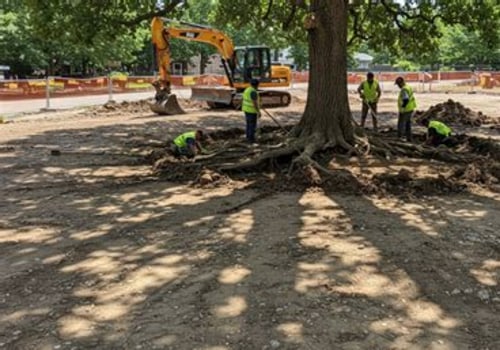
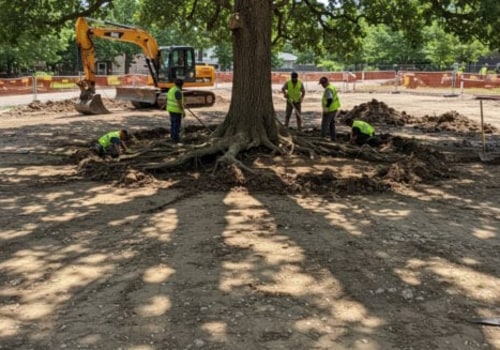
Tree excavation is a critical process in both landscaping and construction, involving the careful removal of trees to make way for new developments or to enhance the aesthetic appeal of a property. This process is not merely about cutting down a tree; it encompasses a series of steps that ensure the surrounding environment is preserved while achieving the desired outcome. Understanding tree excavation is essential for homeowners, landscapers, and builders alike, as it lays the groundwork for successful land management. During the tree removal process, various factors come into play, including the size and species of the tree, its location, and the condition of the surrounding soil. Each of these elements can significantly influence how the excavation is conducted.
For instance, larger trees may require specialized equipment and techniques to safely remove them without damaging nearby structures or landscapes. Additionally, understanding the root system is crucial, as improper excavation can lead to soil erosion or damage to adjacent plants. As we delve deeper into this topic, it becomes clear that while tree excavation is vital for development and beautification, it also presents several challenges that must be navigated carefully. From environmental considerations to technical difficulties, recognizing these challenges will help ensure that tree excavation is performed efficiently and responsibly.
Common Challenges in Tree Excavation
Tree excavation is a complex process that often presents a variety of challenges. Understanding these difficulties can help in planning and executing a successful tree removal project.Below are some of the most common challenges faced during tree excavation:
- Soil Conditions: The type and condition of the soil play a crucial role in tree excavation.
Clay soils
, for instance, can be particularly difficult to work with due to their density and tendency to retain water, making it hard to dig. Conversely, sandy soils may collapse easily, posing risks during excavation. - Root Systems: Trees often have extensive root systems that can spread far beyond the visible trunk. These roots can intertwine with other plants or structures, complicating the excavation process.
Identifying the depth and spread of roots is essential to avoid damaging nearby vegetation or underground utilities.
- Environmental Factors: Weather conditions can significantly impact tree excavation. Rain can make the ground muddy and unstable, while extreme heat can dry out the soil, making it harder to dig. Additionally, working in adverse weather conditions can pose safety risks for workers.
- Permitting and Regulations: In many areas, tree removal is subject to local regulations and may require permits. Navigating these legal requirements can add time and complexity to the excavation process.
- Equipment Limitations: The choice of equipment is critical in overcoming excavation challenges.
Heavy machinery may be necessary for larger trees, but access limitations in urban areas can restrict their use. This often necessitates manual labor or smaller tools, which can increase labor costs and time.
Soil Conditions and Their Impact
When it comes to tree excavation, the type of soil plays a crucial role in determining the ease or difficulty of the process. Different soil conditions can significantly impact the excavation strategy, equipment selection, and overall timeline of the project.Understanding Soil Types
Soil can be broadly categorized into several types, each presenting unique challenges:- Clay Soil: This type of soil is known for its compactness and high moisture retention. While it can provide stability for trees, it also makes excavation difficult due to its density.
Excavators may struggle to penetrate clay, requiring specialized equipment or techniques to break it up effectively.
- Sandy Soil: In contrast, sandy soil drains well and is easier to excavate. However, its loose structure can lead to instability during the excavation process, potentially causing collapses or shifting.
- Loamy Soil: A mixture of sand, silt, and clay, loamy soil is often considered ideal for tree growth. It offers a balance between drainage and nutrient retention but can still pose challenges if it becomes overly saturated with water.
- Rocky Soil: Excavating in rocky soil presents one of the most significant challenges in tree removal. The presence of rocks can hinder machinery and require additional labor to remove obstacles.
Specialized tools such as rock drills or hydraulic breakers may be necessary to facilitate the excavation process.
The Impact of Soil Conditions on Excavation
The specific challenges posed by different soil types necessitate careful planning and assessment before beginning a tree excavation. For instance:- Equipment Selection: The choice of machinery is heavily influenced by soil conditions. Heavy-duty excavators may be required for rocky or clay soils, while lighter equipment might suffice for sandy areas.
- Time Management: Complications arising from difficult soil conditions can lead to delays. Understanding the soil type beforehand allows for better time estimates and resource allocation.
- Safety Considerations: Excavating in unstable or rocky soils increases the risk of accidents.
Proper safety measures must be implemented to protect workers and equipment.
Root Systems: A Hidden Challenge
When it comes to tree excavation, one of the most significant challenges lies beneath the surface: the complex and extensive root systems of trees. These root systems can vary greatly in size and structure, depending on the species of the tree, soil conditions, and environmental factors. Understanding these complexities is crucial for successful excavation.Challenges with Roots During Excavation
- Damage to Surrounding Roots: During excavation, there is a risk of damaging nearby roots that are not part of the tree being removed.
This can affect the health of adjacent trees and plants.
- Soil Stability: Extensive root systems help stabilize soil. Removing a tree can lead to soil erosion or instability, especially in areas with steep slopes.
- Invasive Roots: Some trees have aggressive root systems that can invade underground utilities or structures, complicating the excavation process.
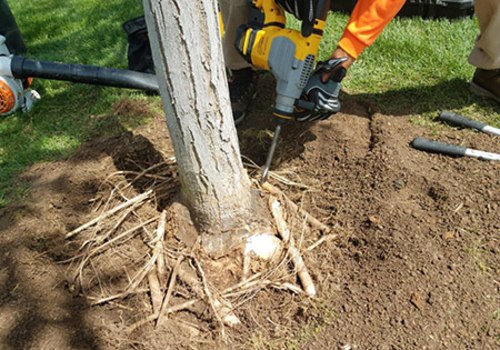
- Manual Excavation: This method involves using hand tools to carefully dig around the roots, minimizing damage to surrounding areas.
- Mechanical Removal: For larger trees, heavy machinery may be used to uproot the tree and its root system. However, this requires skilled operators to avoid collateral damage.
- Chemical Treatments: In some cases, chemical solutions can be applied to help decompose roots over time, making them easier to remove.
Environmental Considerations
Tree excavation is not just a matter of removing trees; it involves a complex interplay of environmental considerations that must be addressed to minimize negative impacts.One of the primary challenges is understanding the environmental impact of tree removal. Trees play a crucial role in maintaining local ecosystems, providing habitat for wildlife, and contributing to air and soil quality. Therefore, before any excavation begins, it is essential to assess the potential consequences on the surrounding environment.In many regions, there are strict regulations for tree removal that aim to protect local flora and fauna. These regulations often require permits and environmental assessments to ensure that tree excavation does not disrupt critical habitats or lead to soil erosion.
Failing to comply with these regulations can result in hefty fines and legal repercussions, making it vital for contractors and property owners to be well-informed about local laws.Moreover, protecting local wildlife during excavation is another significant challenge. Many species depend on trees for shelter and food, and their displacement can have cascading effects on the ecosystem. To mitigate this, it is advisable to conduct wildlife surveys prior to excavation. This helps identify any endangered or protected species that may be affected by the removal of trees.Additionally, implementing best practices such as timing excavations outside of nesting seasons can further safeguard local wildlife.
By taking these environmental considerations into account, tree excavation can be conducted responsibly, ensuring that both human needs and ecological health are balanced.
Equipment and Technology Challenges
When it comes to tree excavation, the choice of equipment and technology plays a crucial role in the efficiency and safety of the operation. However, various challenges can arise from the use of this machinery.Types of Equipment Used
Commonly used equipment in tree excavation includes:- Excavators: These are essential for digging up roots and moving large sections of trees.
- Stump grinders: Used to remove tree stumps after the tree has been cut down.
- Chippers: These machines break down branches and foliage into mulch, making disposal easier.
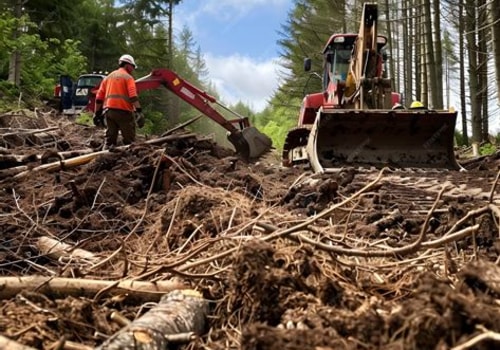
- Bulldozers: Often employed for clearing large areas and moving heavy debris.
Challenges with Machinery
Despite their effectiveness, these machines come with their own set of challenges:- Maintenance Issues: Regular maintenance is crucial to ensure that equipment operates efficiently. Neglecting maintenance can lead to breakdowns, which can delay projects and increase costs.
- Operational Limitations: Each piece of equipment has specific operational limits, such as weight capacity and reach. Understanding these limitations is vital to avoid accidents and ensure safety.
- Terrain Challenges: Uneven or rocky terrain can hinder the performance of excavation machinery, making it difficult to maneuver and operate effectively.
- Technological Integration: As technology advances, integrating new systems with existing machinery can be challenging.
Operators may require additional training to effectively use advanced features.
Safety Risks During Tree Excavation
Tree excavation presents a variety of safety risks that can endanger both workers and bystanders. Understanding these risks is crucial for ensuring a safe working environment. One of the primary hazards is the potential for falling branches or entire trees during the excavation process.This can lead to serious injuries or fatalities if proper precautions are not taken.Another significant risk involves the use of heavy machinery, such as excavators and stump grinders. Operators must be trained and vigilant to prevent accidents caused by equipment malfunction or operator error. Additionally, the presence of underground utilities, such as gas lines or electrical cables, poses a risk of accidental damage, which can result in hazardous situations.
Best Practices for Worker Safety
- Conduct a thorough site assessment: Before beginning any excavation work, it is essential to evaluate the site for potential hazards, including nearby structures and overhead power lines.
- Use personal protective equipment (PPE): Workers should wear appropriate PPE, such as hard hats, gloves, and safety goggles, to minimize injury risks.
- Implement a safety plan: Establishing a clear safety protocol that includes emergency procedures can help mitigate risks during tree excavation.
- Communicate effectively: Ensure that all team members are aware of their roles and responsibilities, and maintain open lines of communication throughout the excavation process.
Cost Implications of Tree Excavation Challenges
When it comes to tree excavation, understanding the cost implications of various challenges is crucial for effective budgeting.Several factors can significantly influence the overall expenses associated with tree removal, and being aware of these can help homeowners and contractors alike plan more effectively.
1.Site Conditions
- Soil Type: The type of soil can affect excavation difficulty. Rocky or clay-heavy soils may require specialized equipment, increasing labor and machinery costs.
- Accessibility: If the tree is located in a hard-to-reach area, additional costs may arise from needing cranes or other equipment to safely remove the tree.
2.Tree Size and Health
- Size: Larger trees typically require more time and resources to excavate, leading to higher labor costs.
- Health: Diseased or dying trees may pose additional risks during removal, necessitating extra precautions that can further inflate costs.
3.Permitting and Regulations
- Local Regulations: Some areas require permits for tree removal, which can add to the overall cost if not factored into the initial budget.
- Environmental Considerations: If the tree is protected by local ordinances, additional assessments or mitigation measures may be required, increasing expenses.
4.Post-Excavation Costs
- Stump Removal: Often overlooked, stump grinding or removal can add significant costs to the project.
- Site Restoration: After excavation, restoring the site—whether through replanting or landscaping—can also impact the budget.
FAQs About Tree Excavation Challenges
Tree excavation can present a variety of challenges that both homeowners and professionals must navigate. Here are some frequently asked questions regarding these challenges:What are the most common challenges faced during tree excavation?
- Root Damage: One of the primary concerns during tree excavation is the potential for damaging the root system of nearby trees.
This can lead to instability and health issues for those trees.
- Soil Conditions: The type of soil can significantly impact the excavation process. Rocky or compacted soil may require specialized equipment, increasing both time and costs.
- Utility Lines: Underground utility lines pose a significant risk during tree excavation. Striking a gas, water, or electrical line can lead to dangerous situations and costly repairs.
- Permitting Issues: In many areas, permits are required for tree removal and excavation. Navigating local regulations can be a challenge, especially if there are restrictions on certain tree species.
How can I prepare for tree excavation?
Preparation is key to minimizing challenges during tree excavation.Here are some expert tips:
- Conduct a Site Assessment: Before beginning any work, assess the site for potential obstacles such as nearby structures, other trees, and utility lines.
- Consult Professionals: Hiring an experienced arborist or excavation contractor can provide valuable insights and help avoid common pitfalls.
- Plan for Waste Disposal: Tree excavation often results in significant debris. Have a plan in place for how to dispose of branches, roots, and other materials.
Conclusion: Overcoming Tree Excavation Challenges
In conclusion, navigating the complexities of tree excavation requires a comprehensive understanding of the various challenges that can arise throughout the process. From environmental considerations to technical difficulties, each aspect plays a crucial role in determining the success of a project. One of the primary challenges is assessing the site conditions. Factors such as soil type, proximity to structures, and existing vegetation can significantly impact excavation efforts.Proper site analysis not only helps in planning but also minimizes potential risks associated with excavation. Additionally, regulatory compliance is another critical area that must be addressed. Local regulations often dictate how tree excavation should be conducted, including permits and environmental protections. Failing to adhere to these guidelines can lead to costly delays and legal repercussions. Moreover, employing the right equipment and techniques is essential for efficient tree excavation. Using outdated or inappropriate machinery can hinder progress and increase the likelihood of accidents.
Therefore, investing in modern equipment and skilled operators is vital. Finally, effective communication among all stakeholders—including contractors, environmentalists, and property owners—ensures that everyone is aligned on project goals and expectations. This collaboration can help mitigate misunderstandings and streamline the excavation process. By recognizing and proactively addressing these challenges, professionals in the field can enhance their approach to tree excavation, leading to more successful outcomes and sustainable practices.