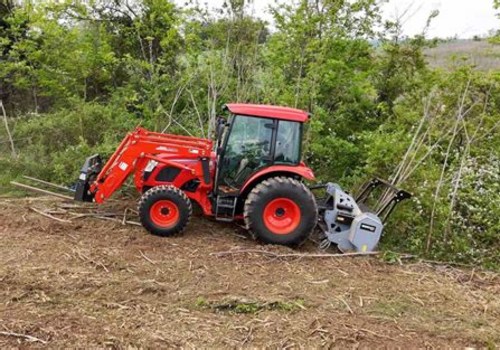
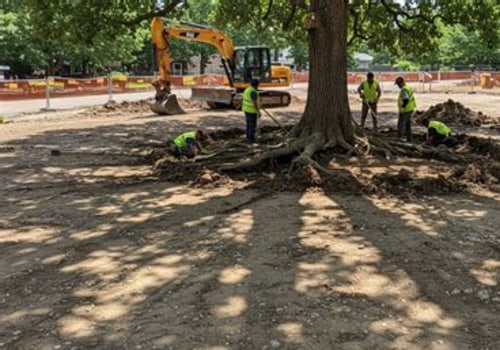
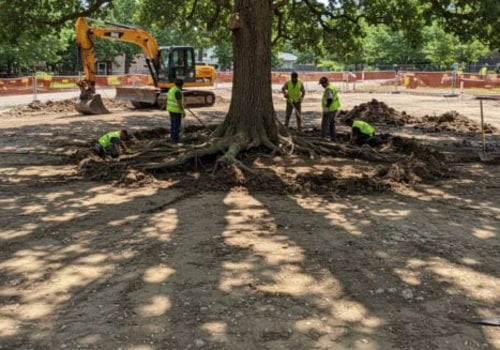
Tree excavation is a critical process often undertaken for various reasons, including landscaping, construction, or the removal of hazardous trees. However, this seemingly straightforward task can pose significant risks, particularly when it comes to underground utilities. These utilities, which include water lines, gas pipes, and electrical cables, are often buried beneath the surface and can be easily damaged during excavation activities. Understanding the intricacies of tree excavation and its associated risks is essential for anyone involved in such projects. The importance of safeguarding underground utilities cannot be overstated.
Damage to these systems can lead to costly repairs, service interruptions, and even safety hazards. For instance, striking a gas line can result in dangerous leaks, while damaging electrical cables can cause power outages or fires. Therefore, it is crucial to approach tree excavation with a comprehensive understanding of the potential risks involved. As we delve deeper into this topic, we will explore effective strategies to prevent damage during tree excavation. By being aware of the risks and implementing proper precautions, individuals and contractors can ensure that their projects proceed smoothly while protecting vital underground infrastructure.
This proactive approach not only minimizes potential hazards but also contributes to the overall success of any excavation endeavor.
Identifying Underground Utilities Before Excavation
Before embarking on tree excavation, it is crucial to identify any underground utilities that may be present in the area. This proactive step not only safeguards the utilities but also ensures the safety of workers and the surrounding environment.Locating Underground Utilities
- Contact Local Utility Companies: The first step in identifying underground utilities is to reach out to local utility providers. They can provide information about the location of their lines and any potential hazards.
- Use Utility Mapping Services: Many companies specialize in utility mapping, employing advanced technologies such as ground-penetrating radar (GPR) and electromagnetic induction to accurately locate underground services.
- Review Existing Maps: Check for any available utility maps from local government or utility companies. These maps can offer valuable insights into the layout of underground services.
Pre-Excavation Checks
- Conduct a Site Survey: Before any excavation begins, conduct a thorough site survey to assess the area for visible signs of utilities, such as manholes or utility poles.
- Mark Utility Locations: Once utilities are identified, clearly mark their locations on-site using flags or paint.
This visual aid will help prevent accidental damage during excavation.
- Communicate with Your Team: Ensure that all team members are aware of the marked locations and understand the importance of avoiding these areas during the excavation process.
Best Practices for Tree Excavation
When it comes to tree excavation, ensuring the safety of underground utilities is paramount. Here are some best practices to follow:- Conduct a Utility Survey: Before starting any excavation, it’s crucial to identify the location of underground utilities. Use utility mapping services or contact local utility companies to obtain accurate information.
- Mark Utility Lines: Once you have the utility information, clearly mark the locations of all underground lines using flags or paint.
This visual cue will help prevent accidental damage during excavation.
- Use Hand Tools: In areas where utilities are marked, consider using hand tools instead of heavy machinery. This reduces the risk of damaging fragile lines and allows for more precise control.
- Excavate with Care: When using machinery, opt for equipment that allows for a gentle touch. Techniques such as air excavation can be beneficial, as they use compressed air to remove soil without disturbing nearby utilities.
- Monitor Soil Conditions: Be aware of soil conditions during excavation. Wet or loose soil can lead to cave-ins or unexpected shifts that may impact nearby utilities.
Regular safety meetings can reinforce these practices and ensure everyone is on the same page. By following these best practices for tree excavation, contractors and homeowners can significantly reduce the risk of damaging underground utilities, ensuring a safer and more efficient tree removal process.
Using Technology to Prevent Utility Damage
In the realm of tree excavation, the risk of damaging underground utilities is a significant concern. Fortunately, advancements in excavation technology have introduced various tools designed to mitigate these risks effectively. One of the most prominent technologies is ground-penetrating radar (GPR), which has revolutionized the way contractors approach excavation projects.Ground-Penetrating Radar (GPR)
- How it Works: GPR utilizes electromagnetic waves to penetrate the ground and detect subsurface objects, including pipes, cables, and other utilities. This non-invasive method provides real-time data, allowing excavators to visualize underground structures before breaking ground.
- Benefits: The primary advantage of GPR is its ability to reduce the likelihood of accidental utility strikes.
By identifying the exact location and depth of utilities, contractors can plan their excavation strategies more effectively.
- Limitations: While GPR is highly effective, it may not detect all types of materials, particularly those that are non-metallic or deeply buried. Therefore, it is often used in conjunction with other detection methods.
Utility Detection Tools
In addition to GPR, several other utility detection tools can enhance safety during tree excavation:
- Electromagnetic Locators: These devices detect the electromagnetic fields generated by live electrical lines and can help locate buried utilities.
- Acoustic Sensors: Acoustic technology can identify the sound waves produced by certain utilities, providing another layer of detection.
- Camera Inspection Systems: For existing utility lines, camera systems can be used to inspect and map out the infrastructure before excavation begins.
Legal Considerations and Regulations
When it comes to tree excavation, understanding the legal considerations and regulations is crucial for both safety and compliance. Various laws govern the excavation process, particularly when it involves underground utilities.Failing to adhere to these regulations can lead to significant penalties and liabilities.
Excavation Regulations
- Before commencing any excavation work, it is essential to check local and state regulations regarding tree removal and excavation practices.
- Many jurisdictions require permits for tree removal, especially if the tree is located near utility lines.
- Excavation activities must comply with the Occupational Safety and Health Administration (OSHA) standards to ensure worker safety.
Legal Requirements for Tree Removal
- Consult local ordinances that may restrict the removal of certain tree species or sizes.
- Some areas have specific guidelines on how far from utility lines trees can be excavated.
- Engaging a certified arborist may be necessary to assess the health of the tree and determine the best course of action.
Utility Protection Laws
- Under the National Utility Locating Contractors Association (NULCA), it is mandatory to mark underground utilities before any excavation begins.
- Failure to notify utility companies can result in damage to infrastructure, leading to costly repairs and potential legal action.
- Always contact local utility companies at least 48 hours before starting any excavation work to ensure all lines are properly marked.
Common Mistakes to Avoid During Tree Excavation
When it comes to tree excavation, avoiding damage to underground utilities is crucial. However, several common mistakes can lead to costly and dangerous outcomes. Here are some pitfalls to watch out for:- Neglecting Utility Location Services: One of the most significant errors is failing to locate underground utilities before starting excavation. Always contact local utility companies or use a professional service to mark the locations of gas, water, and electrical lines.
- Inadequate Planning: Rushing into a project without a detailed plan can lead to hasty decisions that compromise safety.
Take the time to assess the site thoroughly and develop a strategy that includes utility locations and excavation methods.
- Using Improper Tools: Using heavy machinery without understanding its impact on the surrounding area can cause unintended damage. Opt for hand tools or lighter equipment when working near known utility lines.
- Ignoring Soil Conditions: The type of soil can significantly affect excavation techniques. Failing to consider soil stability may lead to cave-ins or unexpected utility exposure. Conduct soil tests to determine the best approach.
- Lack of Communication: Not informing all team members about the location of utilities and excavation plans can lead to accidents.
Ensure everyone involved is aware of potential hazards and understands the importance of following safety protocols.
FAQs About Tree Excavation and Utility Protection
When it comes to tree excavation, many homeowners and contractors have questions about how to protect underground utilities. Here are some frequently asked questions that can help clarify common concerns:- What types of underground utilities should I be aware of?
Underground utilities can include water lines, gas lines, electric cables, and telecommunications wiring. Knowing the location of these utilities is crucial before starting any excavation work. - How can I find out where my underground utilities are located?
You can contact local utility companies to request a utility locate service.They will mark the locations of their lines on your property, helping you avoid accidental damage during tree excavation.
- What precautions should I take before beginning tree excavation?
Before starting, ensure you have completed a utility locate request. Additionally, consider using hand tools for the initial digging around marked utility lines to minimize the risk of damage. - Can I excavate near marked utility lines?
Yes, but with caution. Maintain a safe distance as recommended by the utility company and use non-invasive methods when working close to these lines. - What are the consequences of damaging underground utilities?
Damaging underground utilities can lead to service interruptions, costly repairs, and potential safety hazards. It’s essential to take all necessary precautions to avoid these issues.
Always prioritize safety and consult professionals if you are unsure about any aspect of the excavation.
Conclusion: Ensuring Safe Tree Excavation Practices
In conclusion, ensuring safe tree excavation practices is crucial for protecting underground utilities and maintaining the integrity of our infrastructure. By implementing the strategies discussed, individuals and contractors can significantly reduce the risk of damaging essential services. First and foremost, conducting a thorough site assessment is vital. This includes identifying the location of all underground utilities through methods such as utility mapping and consulting with local utility companies. Understanding the layout of these utilities allows for better planning and execution of excavation activities. Additionally, utilizing appropriate excavation techniques can further safeguard against potential damage.For instance, employing hand digging or using vacuum excavation methods near utility lines can minimize the risk of accidental strikes. These techniques provide greater control and precision compared to traditional mechanical excavation. Moreover, it is essential to train all personnel involved in the excavation process on best practices and safety protocols. Regular training sessions can ensure that everyone understands the importance of utility protection and is familiar with the tools and techniques that promote safe excavation. Finally, maintaining open communication with utility providers throughout the excavation process can lead to better outcomes. If any unexpected issues arise, having a direct line to utility representatives can facilitate quick resolutions, minimizing downtime and potential hazards. By prioritizing these preventive measures, we can ensure that tree excavation projects are conducted safely and efficiently, ultimately protecting our vital underground utilities for future generations.