When it comes to tree excavation, many property owners find themselves grappling with a myriad of questions, particularly regarding the fate of tree roots once a tree has been removed. Understanding the complexities of root systems and their potential for regrowth is crucial for anyone considering tree removal or excavation. The process of excavating a tree involves not just the visible trunk and branches, but also an intricate network of roots that can extend far beyond what is seen above ground. One common concern is whether these roots can regenerate after being disturbed or removed. While some roots may have the ability to sprout new growth, the overall health and viability of the tree's root system depend on various factors, including the species of the tree, the extent of excavation, and environmental conditions.
This leads to a deeper exploration of how tree removal impacts not only the immediate area but also the surrounding ecosystem. As we delve into this topic, we will uncover the science behind root systems, the implications of excavation on future growth, and what property owners should consider before proceeding with tree removal. By understanding these elements, you can make informed decisions that align with your landscaping goals while also respecting nature's resilience.
The Basics of Tree Roots and Their Growth Patterns
Understanding the anatomy of tree roots is essential for grasping their growth patterns and overall function within the ecosystem. Tree roots serve multiple purposes, including anchoring the tree, absorbing water and nutrients, and storing energy. The structure of tree roots can be broadly categorized into three types: taproots, fibrous roots, and adventitious roots.- Taproots: These are the primary root that grows deep into the soil, providing stability and access to deeper water sources.
Taproots are common in many tree species, such as oaks and pines.
- Fibrous Roots: These roots spread out horizontally near the surface of the soil. They are typically found in species like maples and willows, allowing for efficient nutrient absorption from the topsoil.
- Adventitious Roots: These roots develop from non-root tissues, such as stems or leaves. They can help support the tree in unstable soils or provide additional nutrient uptake.
This growth is crucial for maximizing nutrient absorption and stabilizing the tree.Moreover, tree roots exhibit a remarkable ability to adapt to their environment. For instance, they can grow around obstacles or change direction in response to soil conditions. This adaptability is vital for their survival, especially in urban settings where excavation may disrupt their natural growth.In summary, understanding the structure and growth patterns of tree roots lays the groundwork for discussing their potential regrowth after excavation. The resilience of these root systems plays a significant role in determining whether they can recover from such disturbances.
What Happens During Tree Excavation?
Tree excavation is a meticulous process that involves the careful removal of a tree and its root system from the ground.This process is essential for various reasons, including construction, landscaping, or when a tree poses a risk to nearby structures. Understanding the tree excavation process is crucial for anyone considering this option.During tree excavation, several techniques can be employed, each with its own implications for the tree's root system:
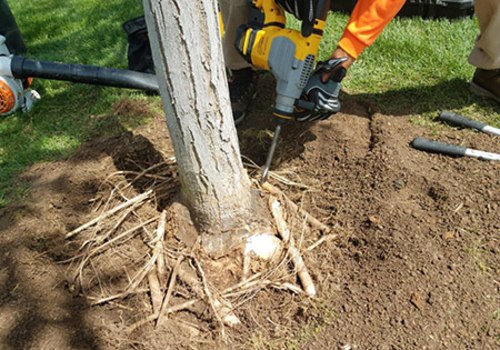
- Manual Excavation: This method involves using hand tools to dig around the tree, allowing for greater control and minimizing damage to surrounding roots. However, it can be labor-intensive and time-consuming.
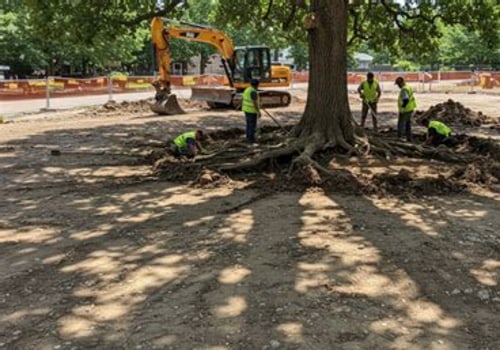
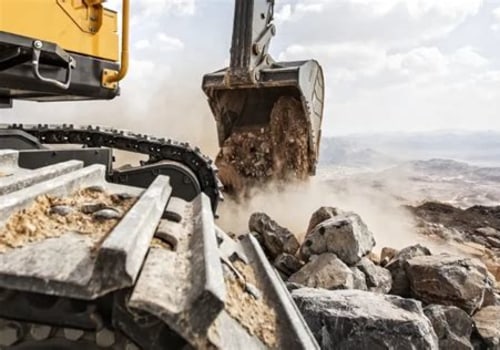
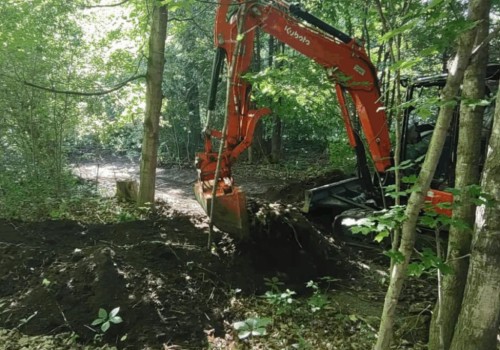
- Mechanical Excavation: Heavy machinery, such as backhoes or excavators, is used to remove the tree quickly. While this method is efficient, it can cause significant disruption to the root system and surrounding soil.
- Stump Grinding: After a tree is cut down, stump grinding removes the remaining stump and roots below ground level.
This technique can prevent regrowth but may leave some roots intact.
However, this recovery is not guaranteed and depends on various factors such as species type, soil conditions, and environmental stressors.In conclusion, understanding the tree removal techniques and their impact on root systems is vital for making informed decisions about tree excavation. Proper planning and execution can help mitigate negative effects and promote healthier outcomes for trees that remain in proximity to excavated areas.
Can Tree Roots Regrow After Excavation?
When it comes to tree excavation, one of the most pressing questions is whether tree roots can regrow after being excavated. The answer is not straightforward, as it largely depends on several factors, including the species of the tree, soil conditions, and environmental influences.Root Regrowth After Excavation
In general, many trees have the ability to regenerate roots after a portion has been removed. However, this regrowth is not guaranteed and can vary significantly among different species.For instance, fast-growing species like willows and poplars tend to recover more quickly than slower-growing varieties such as oaks or pines.
Factors Affecting Root Regrowth
- Tree Species: As mentioned, the type of tree plays a crucial role in its ability to regrow roots. Some species are more resilient and adaptable to disturbances.
- Soil Conditions: Healthy soil that retains moisture and provides adequate nutrients can enhance root regrowth. Poor soil conditions can hinder recovery.
- Environmental Factors: Factors such as temperature, rainfall, and overall climate can impact the regrowth process. Favorable weather conditions can promote faster recovery.
- Extent of Excavation: The amount of root mass removed during excavation also affects regrowth potential.
If a significant portion of the root system is lost, the tree may struggle to survive.
Factors Influencing Root Regrowth
Understanding the factors that influence root regrowth after tree excavation is crucial for successful re-establishment of trees. Several key elements play a significant role in determining whether and how quickly roots can regenerate.Soil Health
The condition of the soil is paramount for root recovery. Healthy soil is rich in organic matter and nutrients, which are essential for supporting new root growth.Soil that has been compacted or depleted of nutrients can hinder the regrowth process. Additionally, the presence of beneficial microorganisms in the soil can enhance nutrient availability and promote a healthier environment for roots to thrive.
Moisture Levels
Moisture is another critical factor influencing root regrowth. Adequate water supply is necessary for the metabolic processes involved in root development. If the soil is too dry, roots may struggle to establish themselves, while overly saturated conditions can lead to root rot.Maintaining optimal moisture levels through regular watering or natural rainfall is essential, especially during the initial stages following excavation.
Tree Species Impact on Regrowth
The species of tree also significantly affects its ability to regrow roots after excavation. Some species are more resilient and capable of regenerating quickly, while others may take longer or struggle to recover. For instance, fast-growing species like willows and poplars tend to have a higher capacity for root regeneration compared to slower-growing species such as oaks or pines. Understanding the specific needs and characteristics of the tree species involved can help in planning effective post-excavation care. In summary, successful root regrowth after tree excavation depends on a combination of soil health, moisture levels, and the inherent characteristics of the tree species.By addressing these factors, it is possible to enhance the likelihood of healthy root regeneration and ensure the long-term survival of the tree.
Signs of Healthy Root Regrowth
After a tree has undergone excavation, monitoring its recovery is crucial to ensure that the roots are regrowing healthily. Here are some signs of healthy root regrowth to look for:- New Growth: One of the most evident indicators is the emergence of new shoots or leaves. If you notice fresh foliage sprouting, it’s a positive sign that the tree is redirecting energy towards recovery.
- Increased Leaf Size: As the tree begins to recover, the size of the leaves may increase. Healthy leaves are typically larger and more vibrant than those on a struggling tree.
- Root Flushing: If you can safely observe the root zone, look for signs of root flushing, which is characterized by new, fine roots emerging from the existing root system.
This indicates that the tree is actively growing.
- Soil Moisture Retention: Healthy roots help retain moisture in the soil. If you notice that the soil around the tree remains adequately moist without excessive watering, it may indicate that roots are functioning well.
- Regular Inspections: Conduct regular visual inspections of the tree and its surrounding area. Look for any signs of stress, such as wilting leaves or discoloration.
- Soil Testing: Test the soil for nutrient levels and pH balance. Healthy roots thrive in nutrient-rich soil, so maintaining optimal conditions is essential.
- Watering Practices: Ensure that you are watering appropriately.
Overwatering can suffocate roots, while underwatering can hinder regrowth. Aim for a balanced approach.
Best Practices for Tree Excavation to Minimize Damage
When it comes to tree excavation, employing best practices is crucial to minimize damage to the tree's root system. Here are some effective techniques to ensure a safer excavation process:- Plan Ahead: Before starting any excavation, assess the tree's health and root structure. Understanding the tree species and its typical root growth pattern can help in planning the excavation.
- Use Proper Tools: Utilize sharp, clean tools designed for excavation.
Hand tools like shovels and spades can provide more control than heavy machinery, reducing the risk of damaging roots.
- Excavate Gradually: Begin by removing soil around the tree slowly and carefully. This gradual approach allows you to identify and avoid major roots, minimizing disruption.
- Mark Root Zones: If possible, mark the areas where significant roots are located before excavation. This can help guide your efforts and prevent unnecessary damage.
- Maintain Moisture: Keeping the soil moist during excavation can help protect roots from drying out. Consider watering the area a day before starting the work.
- Avoid Compaction: Be mindful of soil compaction around the tree during excavation.
Heavy machinery can compact the soil, which may hinder root growth and health.
FAQs About Tree Roots and Excavation
When it comes to tree excavation, many homeowners and landscapers have questions about the impact on tree roots. Here are some frequently asked questions that can help clarify common concerns:- Can tree roots grow back after being excavated?
Yes, tree roots can regenerate to some extent after excavation, but the success largely depends on the tree species, the extent of root damage, and environmental conditions.Some trees are more resilient and can sprout new roots if a portion of the root system remains intact.
- What happens to tree health after excavation?
Excavation can stress trees significantly. If a large portion of the root system is removed, it may lead to decline in health or even death. Trees rely on their roots for water and nutrient uptake, so any disruption can affect their overall vitality. - How can I protect tree roots during excavation?
To protect tree roots during excavation, consider using techniques such as: - Marking out root zones before starting work
- Using hand tools instead of heavy machinery
- Implementing barriers to prevent soil compaction
- Are there signs of root damage I should look for?
Yes, signs of root damage include: - Wilting leaves or leaf drop
- Stunted growth or dieback
- Discoloration or decay at the base of the tree
Conclusion: The Future of Trees After Excavation
In conclusion, understanding the dynamics of tree excavation and the potential for root regrowth is crucial for effective tree management. As we have explored, the ability of tree roots to regenerate after excavation largely depends on several factors, including the species of the tree, the extent of root disturbance, and environmental conditions.Key Takeaways:
- Species Variation: Different tree species exhibit varying capacities for root regeneration.
Some trees, like willows and poplars, are known for their vigorous regrowth, while others may struggle to recover.
- Extent of Excavation: The more extensive the excavation, the greater the potential damage to the root system. Minimizing disturbance can enhance the chances of successful regrowth.
- Environmental Factors: Soil health, moisture levels, and overall site conditions play a significant role in a tree's ability to recover post-excavation.