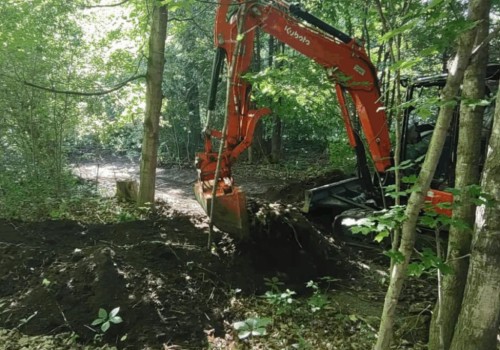
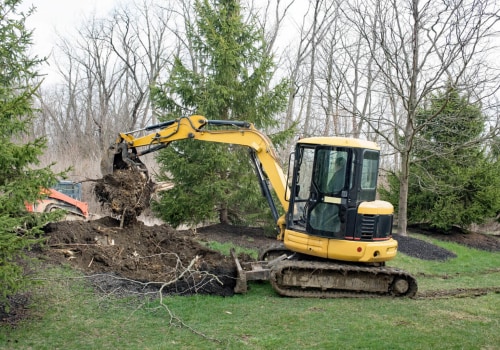
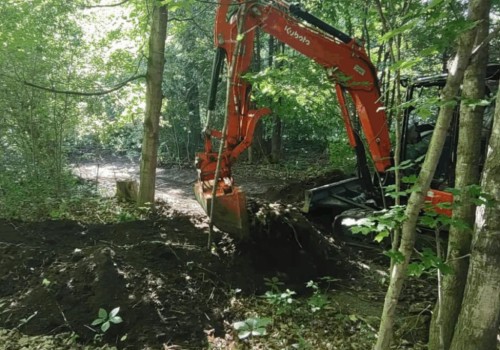
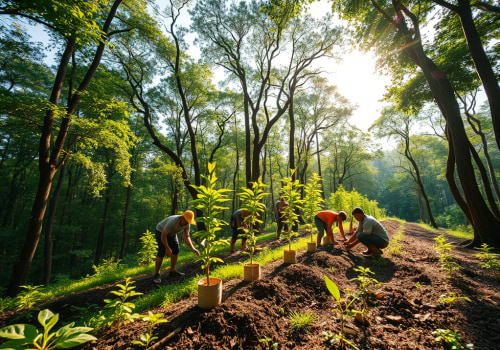
Tree excavation is a critical process often undertaken for various reasons, including land development, landscaping, and safety concerns. This procedure involves the removal of trees along with their root systems, which can significantly alter the landscape. While the primary goal of tree excavation may be to clear space for new construction or to eliminate hazardous trees, it is essential to consider the impact of tree excavation on the surrounding environment. One of the primary concerns associated with tree excavation is the potential damage it can inflict on nearby flora and fauna. The removal of a tree not only affects its immediate vicinity but can also disrupt the local ecosystem.
Trees play a vital role in maintaining soil stability, providing habitat for wildlife, and contributing to air quality. When a tree is excavated, the disturbance can lead to soil erosion, loss of biodiversity, and even changes in local microclimates. Moreover, the effects of tree removal extend beyond ecological implications. Homeowners and developers must also consider how excavation can impact property values and aesthetics. A well-maintained landscape with healthy trees can enhance curb appeal, while an area stripped of its greenery may appear barren and uninviting.
Therefore, understanding the full scope of tree excavation is crucial for making informed decisions that balance development needs with environmental stewardship.
What is Tree Excavation?
Tree excavation is a specialized process that involves the careful removal of a tree from its location, including its roots and surrounding soil. This procedure is often necessary for various reasons, such as clearing land for construction, addressing tree health issues, or preventing potential hazards posed by dead or diseased trees.The tree removal process typically begins with an assessment of the tree's condition and its environment. Professionals evaluate factors such as the tree's size, species, and proximity to structures or other vegetation. Once a decision is made to proceed with excavation, the following steps are generally involved:- Preparation: This includes obtaining necessary permits and notifying utility companies to mark underground lines.
- Site Assessment: A thorough evaluation of the area surrounding the tree is conducted to identify potential risks and plan for safe removal.
- Cutting: The tree is cut down in sections, starting from the top to minimize risk and control the direction of fall.
- Root Removal: After the trunk is removed, the roots are excavated using specialized equipment to ensure complete removal.
- Site Restoration: Finally, the area is restored by filling in holes and replanting if necessary.
While it can be beneficial for land development and safety, improper execution may lead to soil erosion, damage to nearby plants, and disruption of local ecosystems. Therefore, it is essential to engage experienced professionals who can mitigate these risks during the excavation process.
Potential Damage from Tree Excavation
Tree excavation can lead to a variety of damaging effects on the surrounding area, impacting both the environment and human structures. Understanding these potential damages is crucial for anyone considering tree removal.One of the most significant concerns is soil erosion. When a tree is excavated, the root system that once held the soil in place is removed, leaving the ground vulnerable.This can result in:
- Loss of topsoil: The nutrient-rich layer of soil can wash away during rainstorms, leading to poor soil quality.
- Increased runoff: Without tree roots to absorb water, more rainwater runs off into nearby streams and rivers, potentially causing flooding.
- Displacement of wildlife: Animals that depend on trees for shelter and food may be forced to relocate, which can disrupt local biodiversity.
- Imbalance in local flora: The removal of a single tree can affect the growth patterns of surrounding plants, leading to an overgrowth of certain species and a decline in others.
- Compromise foundations: Excavation near buildings can destabilize their foundations, leading to cracks and structural issues.
- Damage utilities: Underground utilities such as water pipes and electrical lines may be inadvertently damaged during excavation.
Proper planning and mitigation strategies should be employed to minimize these impacts on the environment and surrounding structures.
Factors Influencing Damage During Tree Excavation
When considering tree excavation, several factors can significantly influence the extent of damage to the surrounding area. Understanding these factors is crucial for minimizing negative impacts and ensuring a successful excavation process.- Soil Type: The type of soil in which the tree is rooted plays a vital role in determining how much damage occurs during excavation. Sandy soils, for instance, tend to drain well and may allow for easier removal with less disturbance to the surrounding area. In contrast, clay soils are denser and can lead to more significant upheaval and compaction, potentially harming nearby plants and structures.
- Weather Conditions: Weather can also affect the excavation process.
Wet conditions can make the soil more pliable, which might seem beneficial; however, it can also lead to increased soil erosion and instability. Conversely, dry conditions can harden the soil, making excavation more challenging and potentially causing more damage as heavy machinery struggles to navigate.
- Tree Size and Species: The size and species of the tree being excavated are critical factors as well. Larger trees typically have extensive root systems that can spread far beyond the tree's canopy. This means that removing a large tree may disturb a larger area than anticipated, affecting nearby vegetation and soil stability.
Additionally, certain species have more aggressive root systems that can intertwine with other plants or structures, complicating the excavation process.
Preventive Measures to Minimize Damage
When it comes to tree excavation, taking preventive measures is crucial to minimize damage to the surrounding area. Here are some best practices and techniques that professionals can employ:- Conduct a Site Assessment: Before any excavation begins, a thorough assessment of the site should be conducted. This includes identifying nearby structures, utilities, and other trees that could be affected by the excavation process.
- Use Proper Equipment: Utilizing the right tools and machinery can significantly reduce the risk of damage.
For instance, using smaller, more precise equipment can help in navigating tight spaces without disturbing the surrounding landscape.
- Establish a Buffer Zone: Creating a buffer zone around the tree being excavated can protect nearby plants and soil. This can be achieved by marking off areas that should not be disturbed and using barriers to prevent equipment from encroaching on these zones.
- Implement Erosion Control Measures: To prevent soil erosion during excavation, it’s essential to implement control measures such as silt fences or erosion control blankets. These will help maintain soil integrity and protect nearby vegetation.
- Monitor Soil Conditions: Keeping an eye on soil moisture levels is vital. Excavating in overly wet or dry conditions can lead to increased damage.
Adjusting excavation techniques based on soil conditions can help mitigate risks.
Case Studies: Successful Tree Excavation Projects
Tree excavation projects can often be daunting, especially when considering the potential impact on the surrounding environment. However, several case studies illustrate how careful planning and execution can lead to successful outcomes with minimal damage.Case Study 1: Urban Park Revitalization
In a recent urban park revitalization project in Chicago, a large oak tree needed to be excavated due to root rot. The team employed a root pruning technique prior to excavation, which allowed them to assess the tree's health and minimize disruption to nearby flora. By using specialized equipment, they were able to extract the tree without damaging the surrounding shrubs and grass.The park has since flourished, with new plantings thriving in the area where the oak once stood.
Case Study 2: Residential Property Development
A residential development in Austin faced challenges when a mature pecan tree obstructed construction plans. The excavation team utilized a soft dig method, which involved using air excavation tools to carefully remove soil around the roots. This approach not only preserved the integrity of nearby trees but also allowed for the safe relocation of the pecan tree to a nearby community garden. The project was completed on time, and the garden has become a local attraction.Lessons Learned
- Planning is Key: Both case studies emphasize the importance of thorough planning and assessment before any excavation work begins.
- Use of Technology: Employing advanced techniques such as root pruning and soft dig methods can significantly reduce environmental impact.
- Community Engagement: Involving local communities in decision-making can lead to better outcomes and increased support for tree preservation efforts.
By learning from these case studies, future projects can aim for similar success, ensuring that both development and nature can coexist harmoniously.
FAQs About Tree Excavation and Its Impact
When considering tree excavation, many homeowners have questions about its potential impacts on the surrounding area. Here are some frequently asked questions that can help clarify these concerns:- What is tree excavation?
Tree excavation involves the removal of a tree along with its root system, often requiring heavy machinery to ensure the process is efficient and safe. - Can tree excavation damage nearby plants?
Yes, the process can potentially harm nearby plants. The disturbance of soil and root systems can lead to stress or even death in adjacent vegetation. - How does tree excavation affect soil quality?
Excavating a tree can disrupt the soil structure, leading to compaction and erosion. This can affect the nutrient availability for remaining plants. - Will tree excavation impact local wildlife?
Absolutely.Removing a tree can displace wildlife that relies on it for habitat, food, or shelter. This can lead to a decrease in local biodiversity.
- What precautions can be taken during tree excavation?
To minimize damage, it’s essential to plan the excavation carefully. This includes assessing the surrounding area, using appropriate machinery, and possibly consulting with an arborist.
Conclusion: Weighing the Risks and Benefits of Tree Excavation
In conclusion, tree excavation presents a complex interplay of risks and benefits that must be carefully considered before proceeding with any project. While the removal of trees can be necessary for various reasons, such as construction or landscaping, it is crucial to understand the potential impact on the surrounding environment.One of the primary risks associated with tree excavation is the potential for damage to nearby structures and ecosystems.The excavation process can disrupt soil stability, leading to erosion or even compromising the foundations of adjacent buildings. Additionally, the removal of trees can affect local wildlife habitats and reduce biodiversity in the area.However, there are also significant benefits to tree excavation. For instance, it can enhance property value by allowing for better landscaping options and improving sunlight exposure. Furthermore, removing diseased or hazardous trees can prevent future safety hazards and promote healthier growth for remaining vegetation.To mitigate the risks while maximizing the benefits, it is essential to engage with professionals who can assess the site and provide guidance on best practices.
This includes conducting a thorough site analysis, considering alternative solutions such as selective pruning, and implementing erosion control measures.Ultimately, understanding both the risks and benefits of tree excavation empowers property owners to make informed decisions that align with their goals while preserving the integrity of their environment. By weighing these factors carefully, one can ensure that tree excavation is conducted responsibly and sustainably.