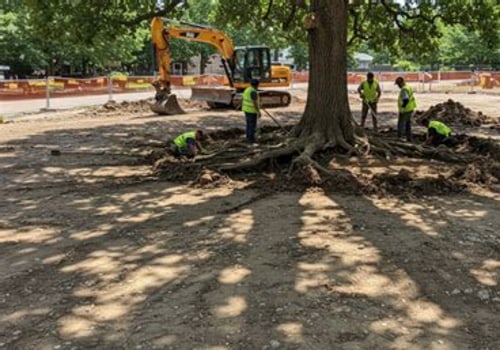
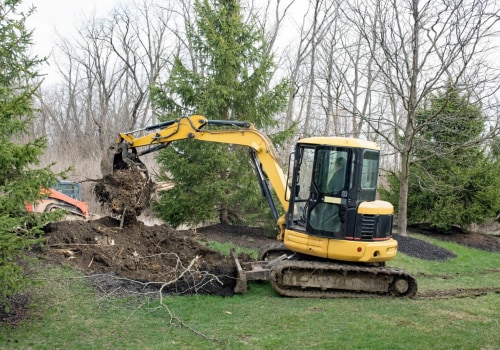
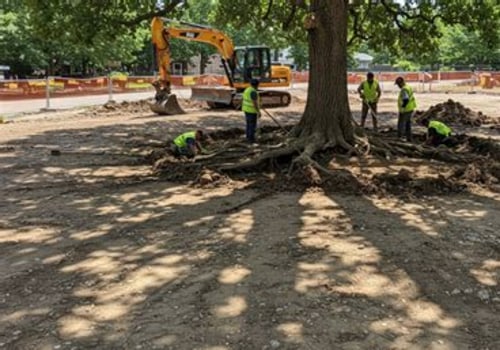
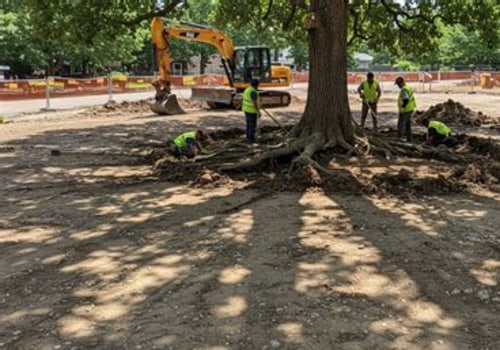
When it comes to maintaining a healthy landscape, tree excavation plays a crucial role. This process involves the careful removal of soil around a tree's root system, allowing for better access to nutrients and water, as well as facilitating construction projects. However, understanding when to excavate a tree versus when to remove it entirely is essential for both the health of the tree and the safety of your property. Proper tree care is not just about aesthetics; it also impacts the overall ecosystem. Trees provide shade, improve air quality, and enhance property value.
Yet, there are instances where a tree may pose more risks than benefits. Factors such as disease, structural instability, or proximity to buildings can necessitate a decision to remove rather than excavate. Recognizing these signs early can save homeowners from potential hazards and costly damages. In this article, we will explore the critical indicators that suggest a tree should be removed instead of excavated. By understanding these signs, you can make informed decisions that prioritize safety while preserving the beauty and functionality of your landscape.
Signs That a Tree May Need to Be Removed
Identifying when a tree needs to be removed rather than excavated is crucial for maintaining a safe and healthy environment.Here are some key signs of tree removal that every property owner should be aware of:
- Severe Damage or Decay: If a tree has extensive damage, such as large cracks, splits, or significant decay in the trunk, it may be structurally compromised. A tree with more than 50% of its trunk damaged is often beyond saving.
- Root Issues: The health of a tree is heavily dependent on its root system. If roots are exposed, decaying, or have been severely damaged by construction or environmental factors, the tree's stability is at risk.
- Pest Infestation: Trees that are infested with pests such as bark beetles or wood-boring insects can suffer from rapid decline. If the infestation is severe and treatment options are limited, removal may be necessary.
- Disease Symptoms: Look for signs of disease such as wilting leaves, unusual growths, or fungal growth at the base of the tree.
Diseases like oak wilt or Dutch elm disease can spread quickly and may necessitate removal to protect surrounding trees.
- Leaning Trees: A tree that leans significantly to one side may indicate root failure or instability. If the lean is accompanied by cracks in the soil or exposed roots, it poses a risk of falling.
- Environmental Impact: Sometimes, a tree may need to be removed due to its impact on nearby structures or landscapes. For instance, if a tree's roots are damaging foundations or sidewalks, removal might be the best option.
Assessing Tree Health: Key Indicators
Assessing the health of a tree is crucial in determining whether it can be excavated or if it needs to be completely removed.A thorough tree health assessment involves looking for specific signs that indicate the tree's overall condition.
Visual Inspection
Start with a visual inspection of the tree. Look for:- Leaf discoloration: Yellowing or browning leaves can indicate stress or disease.
- Dead branches: If a significant number of branches are dead, this may suggest a serious issue.
- Cracks or splits: Large cracks in the trunk can compromise the tree's structural integrity.
- Fungal growth: Mushrooms or other fungi growing at the base or on the trunk can signal decay.
- Excessive leaning: A tree that leans significantly may be unstable and at risk of falling.
Signs of Disease
In addition to visual cues, be aware of specific tree disease signs. Common indicators include:- Wilting leaves: This can indicate root problems or disease.
- Discoloration of bark: Dark spots or peeling bark may suggest infection.
- Sap oozing: If sap is leaking from the trunk, it could be a sign of internal damage.
- Pest infestations: Insects like borers can weaken trees and lead to their decline.
Consulting an Arborist
If you notice any of these signs, it’s wise to consult a certified arborist. They can provide a professional tree inspection, assessing not only the visible symptoms but also the internal health of the tree.An arborist will help determine whether excavation is feasible or if removal is necessary to ensure safety and health in your landscape.
The Role of Tree Roots in Excavation Decisions
When considering tree excavation, understanding the health and structure of a tree's root system is crucial. The roots are not only vital for the tree's stability and nutrient uptake but also play a significant role in determining whether excavation is a viable option or if complete removal is necessary.Signs of Root Damage
- Visible Decay: If you notice signs of rot or decay in the roots, this can indicate that the tree is compromised. Damaged roots may not support the tree adequately, making removal a safer choice.
- Cracked or Uplifted Soil: Soil that is cracked or has lifted around the base of the tree can suggest that the root system is failing. This instability can lead to hazardous conditions, especially during storms.
- Fungal Growth: The presence of fungi at the base of the tree or in the surrounding soil can signal root rot or other diseases affecting the root system.
Assessing Root System Health
A healthy root system typically extends well beyond the canopy of the tree, providing stability and access to nutrients.
If a tree's roots are damaged or compromised, it may struggle to survive, even if its above-ground structure appears healthy. Here are some factors to consider:
- Root Depth: Shallow roots can indicate poor soil conditions or compaction, which may affect the tree's ability to anchor itself.
- Root Density: A sparse root system may not provide adequate support, increasing the risk of toppling during high winds.
- Proximity to Structures: If roots are growing too close to foundations, sidewalks, or other structures, they may cause damage over time, necessitating removal.
Environmental Factors Influencing Tree Removal Decisions
When considering whether to remove a tree or opt for tree excavation, various environmental factors come into play that can significantly influence the decision-making process. Understanding these factors is crucial for maintaining ecological balance, especially in urban settings.Impact on Local Ecosystems
- Habitat Preservation: Trees provide essential habitats for numerous species, including birds, insects, and small mammals.
If a tree is home to wildlife, its removal could disrupt local ecosystems.
- Soil Health: Trees contribute to soil stability and health through their root systems. Removing a tree can lead to soil erosion and degradation, affecting surrounding vegetation.
- Water Management: Trees play a vital role in managing stormwater runoff. Their removal can increase flooding risks and negatively impact local waterways.
Urban Landscaping Considerations
- Aesthetic Value: In urban landscaping, trees enhance the visual appeal of neighborhoods. Their removal may lead to a less inviting environment.
- Shade and Cooling: Trees provide shade that helps reduce urban heat islands.
Removing them can lead to increased energy costs for cooling buildings.
- Community Sentiment: Local communities often have strong emotional ties to trees. Their removal can lead to public outcry and affect community relations.
Regulatory Framework
- Local Ordinances: Many municipalities have regulations governing tree removal, especially for mature or heritage trees. Understanding these laws is essential before making any decisions.
- Environmental Assessments: Some areas require environmental assessments before tree removal, ensuring that ecological impacts are thoroughly evaluated.
Cost Considerations: Removal vs.
ExcavationWhen considering whether to remove a tree or opt for excavation, understanding the associated costs is crucial for effective budgeting. Both options come with their own financial implications, and making an informed decision can lead to significant long-term savings.
Cost of Tree Removal
The cost of tree removal can vary widely based on several factors, including the size and type of the tree, its location, and any potential hazards involved in the removal process. On average, homeowners can expect to pay between $200 and $2,000 for tree removal. Larger trees or those in difficult-to-access areas may incur higher costs due to the need for specialized equipment or additional labor.Excavation Costs
On the other hand, excavation costs typically range from $500 to $3,000, depending on the complexity of the job.This process often involves not just removing the tree but also addressing the root system and preparing the site for future landscaping or construction. Excavation may require heavy machinery, which can add to the overall expense.
Budgeting for Tree Care
When budgeting for tree care, it’s essential to consider not only the immediate costs but also potential long-term savings. For instance, if a tree poses a risk of falling or damaging property, investing in its removal may prevent costly repairs down the line. Additionally, trees that are diseased or infested can affect surrounding plants and structures, making early intervention a financially sound choice.Ultimately, whether you choose tree removal or excavation, it’s important to obtain multiple quotes from reputable service providers.This will help you compare costs effectively and ensure that you are making a well-informed decision that aligns with your budget and long-term property goals.
FAQs About Tree Removal and Excavation
When considering tree removal versus excavation, many homeowners have questions about the signs that indicate a tree should be completely removed. Here are some frequently asked questions that can help clarify this important decision:- What are the signs that a tree needs to be removed?
- Severe damage: If a tree has extensive damage from storms, pests, or disease, it may be beyond recovery.
- Root issues: Trees with compromised root systems, such as those affected by rot or disease, can become unstable and pose a risk.
- Dead branches: A significant number of dead branches or a tree that is mostly dead indicates it may need to be removed.
- Lean: If a tree is leaning significantly, especially if it’s leaning towards structures or people, it could be a hazard.
- Can I excavate around a tree instead of removing it?Excavation can sometimes be an option if the tree is healthy and the roots are not severely compromised. However, care must be taken to avoid damaging the root system, which can lead to the tree's decline.
- How do I know if excavation will harm my tree?If you notice roots that are larger than 2 inches in diameter being cut or damaged during excavation, this could harm the tree. Consulting with an arborist can provide insights into whether excavation is feasible.
- What should I do if I'm unsure about removing a tree?If you're uncertain, it's best to consult with a certified arborist.
They can assess the health of the tree and provide recommendations based on its condition and your landscape needs.
Conclusion: Making Informed Decisions About Trees
In conclusion, making informed decisions about whether to remove or excavate a tree is crucial for the health of your landscape and safety of your property. Throughout this article, we have explored various signs that indicate when a tree may need to be completely removed rather than simply excavated. Understanding these signs can help homeowners and property managers take proactive measures to maintain their environment.When assessing a tree's condition, consider the following key points:- Structural Integrity: If a tree exhibits significant damage, such as large cracks or splits in the trunk, it may pose a risk of falling.
- Pest Infestation: Trees heavily infested with pests or diseases often cannot recover and may need to be removed to prevent spreading.
- Root Damage: Severely compromised root systems can lead to instability, making excavation less viable.
- Proximity to Structures: Trees that are too close to buildings or power lines can create hazards that necessitate removal.
By prioritizing safety and health, you can ensure that your landscape remains vibrant and secure.Remember, every tree is unique, and careful evaluation is essential. Making informed decisions not only protects your property but also contributes to the overall health of your local ecosystem.